
 joyce@taisenfurniture.com
 0086 15356090777


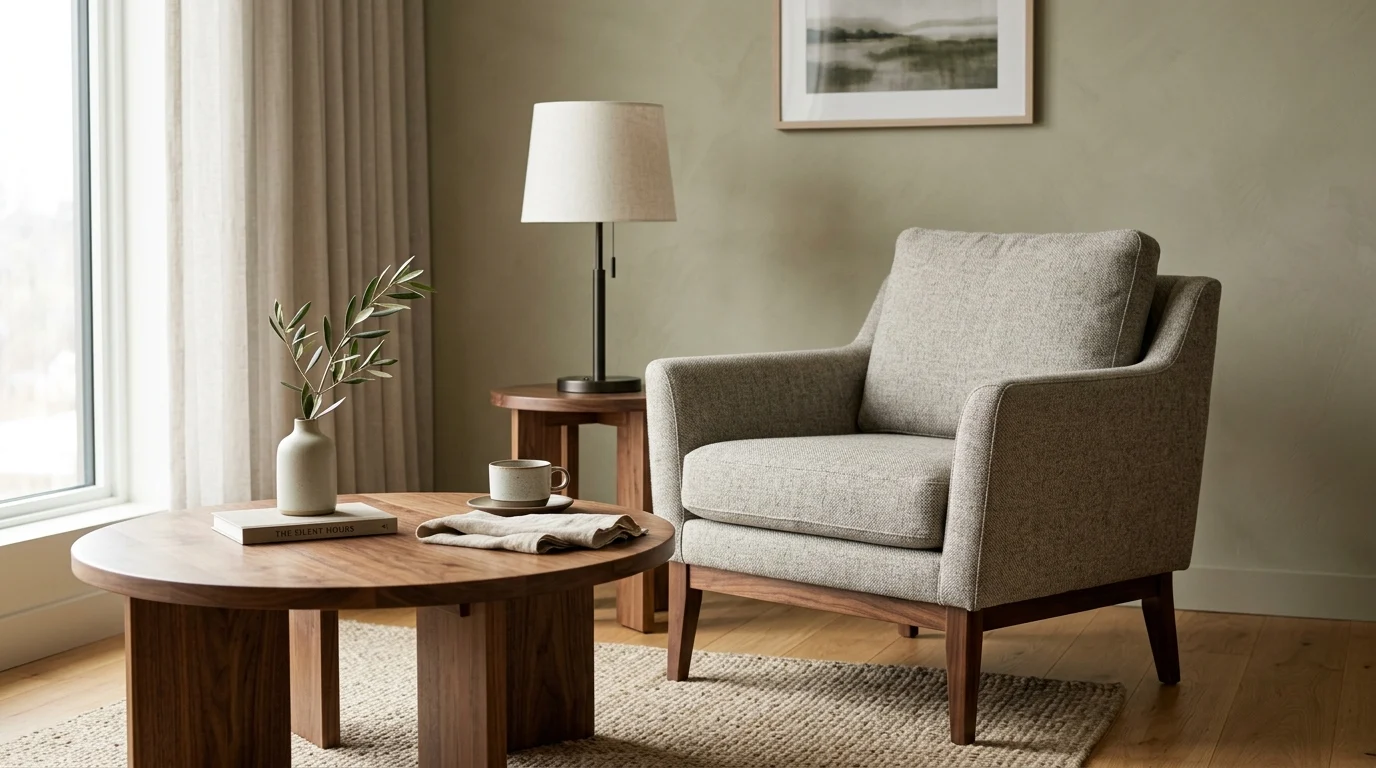
Strategic Role of Hotel Furniture for Residence Inn
The Residence Inn brand by Marriott is a leading name in the extended-stay hospitality sector, necessitating a highly specialized approach to interior outfitting. Because these properties function as temporary residences rather than brief overnight stops, their hotel furniture must go beyond basic aesthetics to deliver exceptional durability, multifunctional utility, and residential comfort.
For asset managers and hotel owners, the procurement of this Furniture, Fixtures, and Equipment (FF&E) represents a major capital expenditure that directly impacts property valuation and RevPAR (Revenue Per Available Room). It is crucial to note early on that this guide primarily references U.S. market standards—such as ADA compliance, 110V power configurations, and specific fire codes—so international properties must substitute applicable local regulations. Furthermore, Marriott’s Global Design Standards update periodically. Furniture packages, dimensions, and layouts differ materially across property generations, meaning owners must always verify all finishes and performance specifications against their specific property’s approved prototype and current brand package.
Extended-Stay Guest Behavior
Extended-stay guests typically book accommodations for periods ranging from 5 to 14 nights, with many corporate relocations or project-based travelers remaining for 30 days or more. During these prolonged periods, guests routinely consume meals in their rooms, utilize the space as a primary remote office, and entertain visitors.
This behavioral paradigm places intense operational stress on the furniture. A standard hotel desk might see an hour of use per day, whereas a Residence Inn work surface could endure eight to ten hours of daily utilization. Consequently, the furniture must support continuous, heavy-duty interaction without demonstrating premature wear or structural fatigue.
Commercial Goals for Furniture Selection
The primary commercial objective when specifying furniture for an extended-stay property is maximizing the lifecycle of the asset while adhering to a strict budget. Owners typically allocate an illustrative range of $6,500 to $9,000 per key for a comprehensive FF&E package during a new build or a major Property Improvement Plan (PIP), though actual allowances vary significantly by property generation and region.
To achieve optimal ROI, the furniture must align with standard hospitality replacement cycles: approximately 6 to 7 years for soft goods like upholstery and mattresses, and 12 to 14 years for casegoods such as dressers, desks, and wardrobes. Budgeting for these specific milestones ensures operational cash flow remains stable over the property’s lifespan, while detailed vendor selection and lifecycle cost analyses are handled closer to procurement.
Residence Inn Room Furniture Requirements
Core Furniture Categories
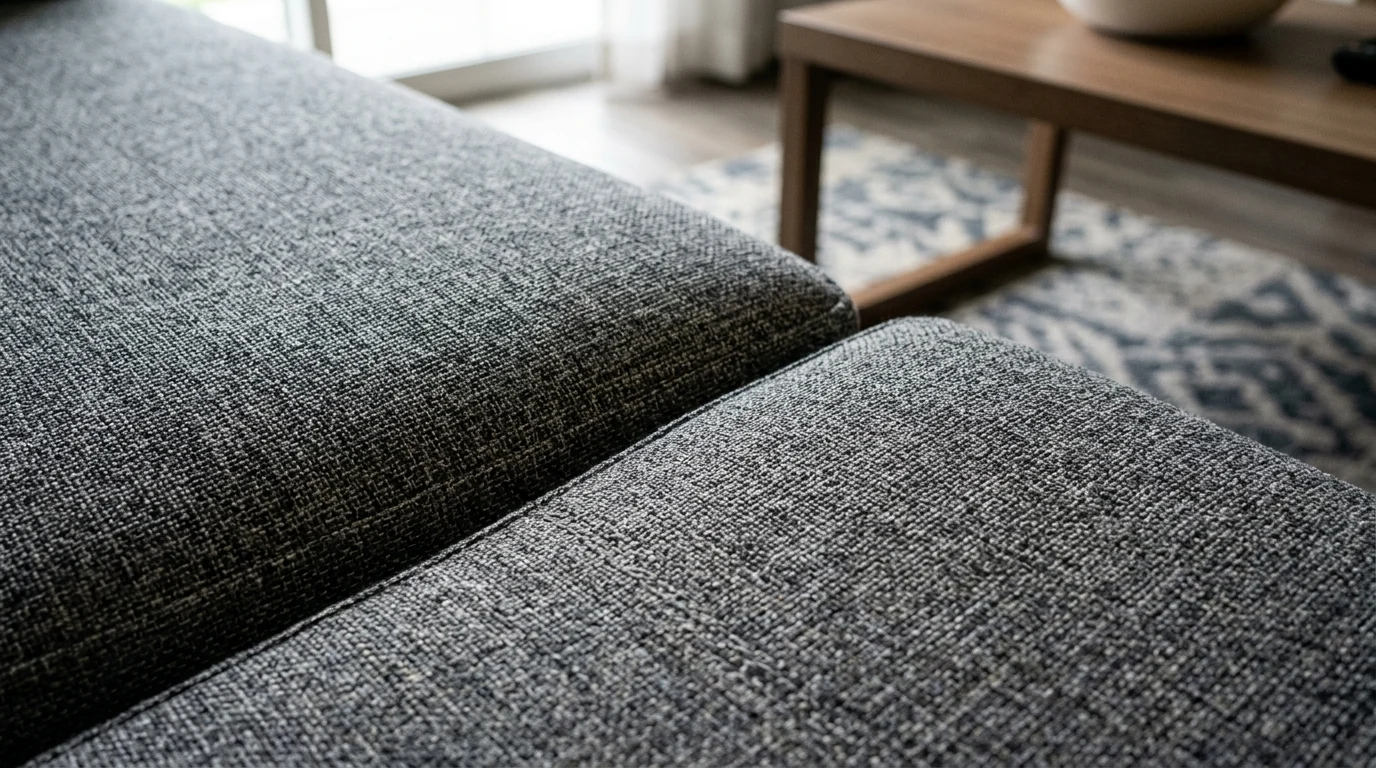
The FF&E package for a Residence Inn suite is highly comprehensive. The living zone requires commercial-grade sleeper sofas, lounge chairs, and modular coffee tables that can double as dining surfaces. Because guests often use the sleeper sofa for extended periods, the quality of the sofa-bed mattress and the comfort of the upholstery are critical drivers of guest satisfaction and operational durability. The sleeping area demands robust bed bases, integrated headboards, and substantial wardrobe units.
The kitchen and dining zones introduce unique requirements not found in standard hotel rooms. High-top dining tables, ergonomic bar stools, and specialized cabinetry must be specified to withstand the rigors of daily meal preparation and consumption, utilizing materials that are highly resistant to moisture and heat.
Differences from Standard Hotel Rooms
The core distinction between transient and extended-stay furniture lies in scale, functionality, and storage capacity. Extended-stay suites require significantly larger seating footprints and highly adaptable work-dining surfaces to accommodate prolonged habitation, as summarized below.
| Feature | Standard Hotel Room | Residence Inn Suite |
|---|---|---|
| Storage Capacity | Approx. 15–20 cubic feet | 40+ cubic feet (varies by prototype) |
| Seating Configuration | Single lounge chair | Sectional or sleeper sofa |
| Work Surface | Small desk (e.g., 24×36 inches) | Multipurpose dining/work island |
| Kitchen Integration | Mini-fridge cabinet | Full cabinetry & bar seating |
Custom Furniture Evaluation Criteria
When evaluating custom furniture pieces for these suites, manufacturers must prioritize modularity and extreme weight tolerances. For example, sleeper sofa mechanisms must be engineered with heavy-duty tubular steel, rated to support a representative dynamic load (e.g., 500 pounds, subject to specific brand and regional requirements), ensuring longevity despite frequent transitions between seating and sleeping configurations.
Additionally, casegoods must feature adaptable shelving and integrated organizational compartments. The ability of a wardrobe to accommodate oversized luggage, full-length garments, and extended-stay grocery items simultaneously is a critical evaluation metric for custom FF&E designs in this tier.
Key Performance Specifications
To survive the demanding environment of an extended-stay suite, hotel furniture must be manufactured to exacting technical specifications. These specifications dictate everything from the thickness of the laminate to the density of the foam, ensuring the product can withstand years of continuous commercial use.
Materials, Finishes, and Construction
Casegoods in Residence Inn properties rely heavily on High-Pressure Laminate (HPL) rather than traditional wood veneers. HPL utilized for horizontal surfaces must possess a typical minimum thickness of 0.8mm to 1.0mm (as an illustrative industry benchmark) to resist scratching, heat, and chemical degradation from commercial cleaning agents.
Edge detailing is equally critical; exposed edges must be sealed with 2mm PVC edge banding applied via hot-melt polyurethane adhesives. This prevents moisture ingress and peeling, which are the most common failure points in hospitality casegoods. Substrates should consist of industrial-grade MDF (Medium Density Fiberboard) or plywood, avoiding low-density particleboard that warps under humidity.
Ergonomics, Dimensions, and Layout
Ergonomic precision ensures guest comfort and compliance with accessibility codes (such as the ADA in the U.S. market). Desks and dining surfaces must maintain a standard height of 30 inches, providing adequate knee clearance. Lounge seating requires a seat height of approximately 18 inches, balancing ease of egress with a relaxed posture suitable for long-term stays.
For extended-stay guests residing for 30 days or more, accessible storage and kitchen reach ranges are equally important. Cabinetry and shelving should be designed so that frequently used kitchenware and long-term storage items remain easily accessible without requiring excessive bending or reaching. Spatial layout dictates that all furniture allows for a minimum of 36 inches of clear width in primary pathways to accommodate wheelchair mobility. Overstuffed or oversized furniture that encroaches on these critical clearances violates both brand standards and accessibility codes.
Lifecycle Cost and Durability Metrics
Durability metrics provide a quantifiable baseline for evaluating furniture quality. Upholstery fabrics must undergo rigorous abrasion testing, while foams must retain their structural integrity over thousands of compression cycles without bottoming out.
| Component | Testing Standard | Minimum Commercial Requirement |
|---|---|---|
| Upholstery Fabric | Wyzenbeek Abrasion Test | 50,000+ double rubs |
| Seating Foam | Density Rating | 2.0 to 2.5 lbs/cu.ft. |
| Drawer Glides | Dynamic Load Test | 100 lbs capacity, full extension |
| Wood Finishes | ASTM D3363 (Pencil Hardness) | 2H or greater |
Procurement, Compliance, and Logistics
The procurement phase bridges the gap between design intent and operational reality. Managing the supply chain for a Residence Inn furniture package requires meticulous coordination among the property owner, the purchasing agent, and the manufacturing facilities to mitigate risks and control costs.
Sourcing and Vendor Selection
Owners must select vendors capable of executing large-scale, consistent production runs. Furniture manufacturers generally require an approximate Minimum Order Quantity (MOQ) of 50 to 100 rooms to achieve economies of scale. Engaging vendors with proven track records in the extended-stay hospitality sector ensures they understand the specific engineering tolerances required.
Dual-sourcing strategies are frequently employed for properties exceeding 150 keys. By splitting the FF&E package between different suppliers—often utilizing one facility for rapid-deployment soft goods and another for high-volume casegoods—procurement teams can optimize production capacity and mitigate single-point supply chain failures.
Brand Standards and Compliance
Every piece of furniture must strictly adhere to Marriott’s Global Design standards. This encompasses not only aesthetic guidelines but also stringent safety regulations. In the U.S., upholstered items must comply with flammability standards such as TB 117-2013, and commercial extended-stay seating often requires adherence to the stricter CAL 133 smolder-resistant standard, depending on local fire codes. All seating should also meet or exceed BIFMA (Business and Institutional Furniture Manufacturers Association) performance criteria.
Failure to meet these compliance benchmarks during the model room review can result in costly re-engineering and project delays. Vendors must provide certified testing documentation for all materials before mass production commences.
Lead Times, Shipping, and Installation Risks
Global supply chain dynamics heavily influence project schedules and dictate the sourcing timeline. Offshore manufacturing typically demands estimated lead times of 14 to 18 weeks, encompassing production and ocean freight. Conversely, domestic sourcing can compress this timeline to an average of 8 to 10 weeks, albeit often at an approximate 15% to 20% cost premium.
Logistics planning must account for a standard industry breakage and contingency allowance of roughly 5% to 8%. Furniture must be packaged in ISTA-certified transit cartons to minimize damage. Coordinated delivery schedules are critical; arriving too early incurs exorbitant warehousing fees, while late arrivals delay the issuance of the Certificate of Occupancy (COO).
Choosing the Right Furniture Package
The final selection of a furniture package represents a synthesis of design, budget, and operational foresight. For Residence Inn owners, executing a successful FF&E strategy hinges on a rigorous evaluation process that prioritizes total cost of ownership over initial sticker price.
Decision Framework for Owners
The decision framework balances Capital Expenditures (CapEx) against long-term Operating Expenses (OpEx). For example, an owner might save $200 per room by selecting a sleeper sofa with a standard residential-grade mechanism rather than a heavy-duty commercial one. However, if that mechanism fails prematurely under the stress of extended-stay use, the downstream costs of replacement parts, labor, and out-of-order room revenue will quickly negate the initial savings.
To avoid this pitfall, owners must calculate the Total Cost of Ownership (TCO) over the property’s entire lifecycle. This comprehensive calculation includes the initial purchase price, freight, installation, anticipated maintenance, and the eventual cost of liquidation or recycling.
Pre-Issue Specification Checklist
Before issuing final purchase orders, procurement teams must execute a comprehensive specification checklist. This includes verifying all dimensional tolerances against the final architectural as-built drawings to ensure items like wardrobes and kitchen islands fit precisely within their designated alcoves.
Technology integration is a mandatory checklist item. All desks, nightstands, and lounge seating side-tables must feature integrated power modules. Marriott’s standards dictate specific outlet configurations, typically mandating a combination of standard AC receptacles (e.g., 110V for U.S. markets) alongside dedicated charging ports (for example, USB-A and USB-C Power Delivery ranging from 30W to 60W) to safely and efficiently support the multitude of devices typical of an extended-stay guest.
Final Furniture Selection Priorities
In the final selection phase, warranty coverage and sustainability should drive the ultimate vendor choice. Manufacturers should offer a minimum 5-year commercial warranty on soft goods and a 10-year warranty on casegoods, backed by a clear process for claiming replacement parts.
Furthermore, prioritizing sustainability—such as specifying FSC-certified woods and low-VOC (Volatile Organic Compound) finishes—not only aligns with corporate ESG (Environmental, Social, and Governance) mandates but also improves indoor air quality. Ultimately, finalizing the furniture package requires practical verification: owners should mandate a formal model-room sign-off to verify spatial flow and demand a comprehensive review of certified third-party testing documents before authorizing mass production. These concrete steps ensure the selected FF&E delivers enduring commercial value and meets the rigorous demands of the extended-stay environment.
Key Takeaways
- Specify Residence Inn furniture for extended daily use because guests may work, dine, and relax in the same suite for 5 to 14 nights or longer.
- Plan FF&E budgets around an illustrative $6,500 to $9,000 per key for new builds or major PIPs, while confirming actual costs by region and property generation.
- Use lifecycle planning to separate soft goods replacement at about 6 to 7 years from casegoods replacement at about 12 to 14 years.
- Verify all furniture dimensions, finishes, power configurations, and compliance requirements against the property’s current Marriott-approved prototype before procurement.
- Prioritize multifunctional furniture, such as sleeper sofas and modular tables, to support living, dining, working, and entertaining within compact suite layouts.
Frequently Asked Questions
Why does Residence Inn furniture need different specifications than standard hotel furniture?
Residence Inn guests often stay 5 to 14 nights or longer, using rooms for work, meals, and daily living. Furniture must therefore handle heavier, more frequent use while still feeling residential and comfortable.
What is a typical FF&E budget range for a Residence Inn room?
For a new build or major PIP, owners may budget roughly $6,500 to $9,000 per key for a comprehensive FF&E package, though actual costs vary by region, property generation, and brand requirements.
How long should Residence Inn casegoods last?
Casegoods such as desks, dressers, wardrobes, and tables are typically planned around a 12- to 14-year replacement cycle when specified with durable commercial materials and proper construction.
How often should soft goods be replaced in extended-stay rooms?
Soft goods such as upholstery, sleeper sofas, lounge seating, and mattresses are commonly planned for replacement every 6 to 7 years, depending on occupancy, wear patterns, and maintenance quality.
What room zones should furniture support in a Residence Inn suite?
Furniture should support three core zones: a kitchen or dining area, a living area, and a sleeping area. Each piece should contribute to an apartment-like layout while meeting hospitality durability and safety standards.
Post time: Aug-14-2026