
 joyce@taisenfurniture.com
 0086 15356090777


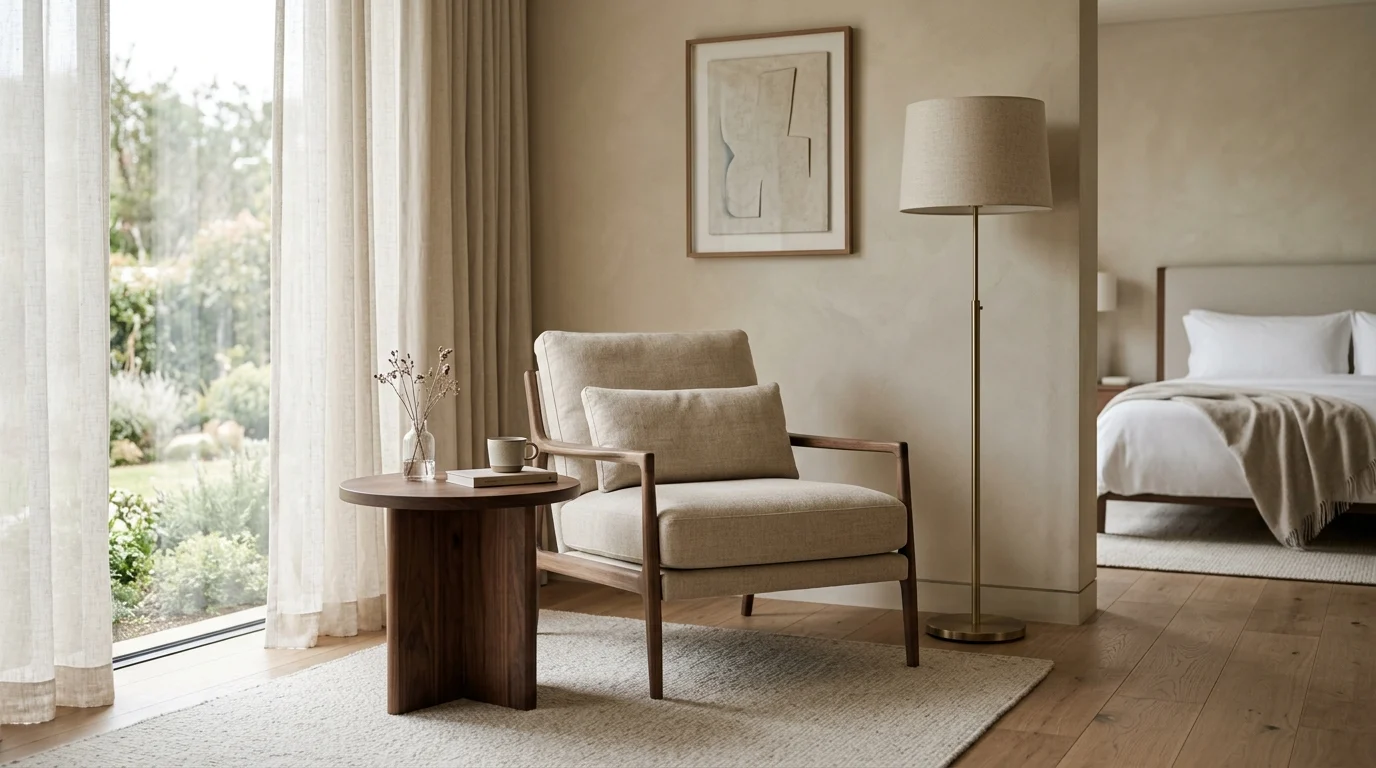
Luxury hospitality is becoming less about spectacle and more about restraint, comfort, and sensory precision. Today’s affluent guests often arrive from overstimulating environments, so a calm room with clean-lined furniture, warm materials, and flawless functionality can feel more exclusive than one filled with ornament. Quiet-luxury design uses minimalism not as austerity, but as a disciplined framework for craftsmanship, acoustic ease, cleanliness, and brand confidence. This article explores how upscale hotels can specify minimalist furniture that supports premium positioning, improves guest perception, and turns subtle details—drawer movement, surface texture, proportion, and finish—into memorable signals of quality.
Why Quiet Luxury Matters in Hotel Furniture
The hospitality industry is undergoing a structural paradigm shift, moving away from overt opulence toward a more restrained, sophisticated aesthetic known as quiet luxury. For upscale hospitality properties, this design philosophy translates into environments that prioritize sensory quality, acoustic comfort, and visual serenity over conspicuous branding and excessive ornamentation. As high-net-worth individuals (HNWIs) increasingly seek refuge from sensory overload, hotels that successfully execute a quiet-luxury narrative often achieve a measurable market advantage.
Industry observations suggest that upper-upscale and luxury properties leveraging minimalist, high-quality interior design can often command a notable premium on Average Daily Rates (ADR) compared to heavily stylized legacy competitors. While room rates are ultimately driven by a combination of location, service standards, and brand equity, this refined design approach strongly supports pricing power by enhancing the perceived exclusivity and bespoke nature of the spaces. In this context, the furniture specified for guestrooms and public areas becomes the primary vehicle for delivering the quiet-luxury experience, requiring exacting engineering and premium material selection.
How quiet luxury supports brand positioning
Quiet luxury serves as a strategic tool for brand differentiation in an increasingly crowded luxury hospitality market. By stripping away superfluous details, a hotel brand communicates confidence and authenticity. The focus shifts from the logo to the localized experience, where the craftsmanship of a lounge chair or the seamless joinery of a writing desk implicitly reinforces the brand’s commitment to excellence.
This positioning strategy relies heavily on the concept of “stealth wealth,” where the intrinsic value of the furniture is recognizable only through close interaction. For instance, a minimalist credenza may appear simple from afar, but upon use, the guest experiences the weight of premium hardware, the smooth operation of meticulously engineered drawer glides, and the warmth of a natural wood finish. These micro-interactions build a subconscious trust between the guest and the brand, proving that quality exists even where it is not loudly advertised.
Why minimalist furniture appeals to upscale guests
The appeal of minimalist furniture to upscale demographics is deeply rooted in environmental psychology. Guests arriving at luxury properties are often transitioning from high-stress, fast-paced environments. Many hospitality designers observe that minimalist furniture, characterized by clean lines and uncluttered surfaces, can help reduce visual noise, potentially lowering cognitive load and promoting psychological relaxation.
Furthermore, minimalist design in a hotel setting often leads guests to perceive the space as impeccably clean. Without intricate carvings or heavy tufting to trap dust and allergens, the furniture presents a hygienic, breathable environment. The modern luxury traveler equates space, light, and cleanliness with ultimate exclusivity, making minimalist furniture an ideal conduit for meeting these elevated guest expectations.
What Defines Quiet-Luxury Minimalist Furniture
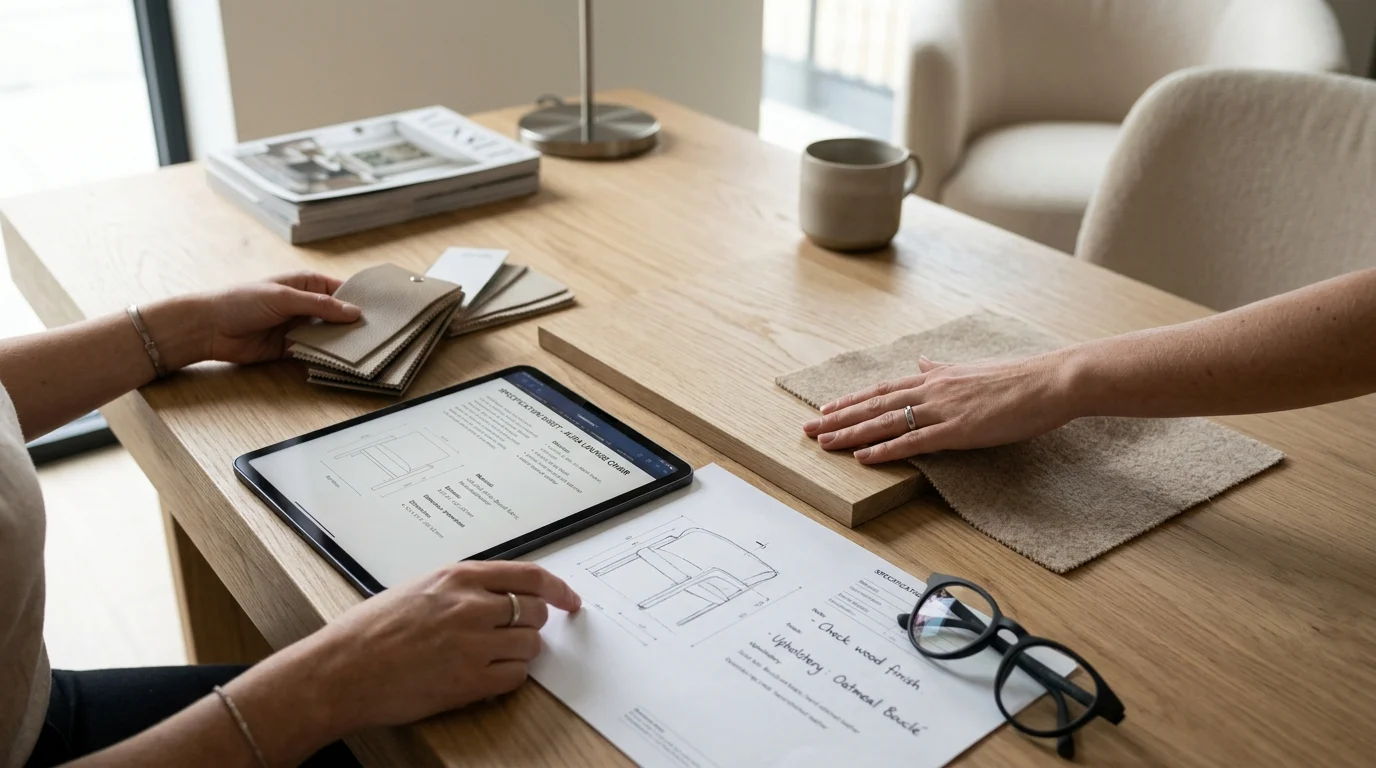
Defining quiet-luxury minimalist furniture requires distinguishing it from mere austerity. While standard minimalism might rely on stark, mass-produced geometries to cut costs, quiet luxury employs minimalism as a framework for manufacturing excellence. It is also worth noting that quiet luxury carries regional nuances; for instance, upscale properties in East Asia may lean toward organic, wabi-sabi minimalism, while European markets often favor sleek, modernist restraint.
In this design language, manufacturing tolerances are exceptionally unforgiving. According to manufacturing benchmarks, high-end hospitality casegoods in the quiet-luxury category target exceptionally tight joinery tolerances, often approaching a single millimeter. Any deviation, visible glue line, or mismatched veneer grain instantly shatters the illusion of bespoke craftsmanship, rendering the stringent quality control protocols of the manufacturer paramount.
Design principles beyond sparse aesthetics
At its core, quiet-luxury furniture is governed by principles of intentionality and structural integrity. Every curve, taper, and intersection must serve a clear purpose, whether ergonomic or architectural. The design ethos favors monolithic forms and continuous lines, where the transition between different materials—such as wood and metal—is executed with seamless integration.
This approach also mandates a deep respect for the inherent properties of the raw materials. Designers specify cuts of wood that showcase natural grain variations, utilizing book-matching or slip-matching techniques to create subtle visual rhythms across large surfaces like headboards and wardrobes. While quiet luxury aims to be timeless, overly trend-driven minimalism can date quickly. To protect the stated 7- to 10-year lifecycle of these assets, specifications must prioritize enduring, classic proportions over fashionable silhouettes, avoiding rapid obsolescence.
Proportion, negative space, and tactile materials
Proportion and scale are the silent metrics of luxury. In a minimalist hotel room, the negative space—the empty area surrounding the furniture—is just as critical as the furniture itself. Low-profile lounge seating and floating nightstands are frequently utilized to maximize the perception of spatial volume, allowing the architecture of the room to breathe.
To prevent these sparsely furnished spaces from feeling clinical, sensory materials are introduced to provide warmth and depth. High-end specifications frequently call for antiqued metals rather than polished chrome, honed stone instead of high-gloss marble, and natural wood finishes that allow the guest to feel the grain. Textiles lean heavily toward richly textured fabrics and premium leathers, which develop a rich patina over time.
However, the operational maintenance reality of utilizing light-colored, textured minimalist fabrics and porous wood in high-traffic hotel environments must be acknowledged. These materials carry inherent risks of rapid soiling and staining, significantly increasing the total cost of ownership (TCO). To mitigate this, properties must implement specialized housekeeping protocols and budget for more frequent refinishing than traditional, heavily treated hospitality surfaces require.
Common mistakes in minimalist hotel interiors
A frequent misstep in executing minimalist hotel interiors is crossing the line from serene to sterile. When designers focus solely on visual minimalism without incorporating adequate texture or acoustic dampening, the resulting spaces can feel cold and echoic. Upholstered headboards, heavy drapery, and strategically placed area rugs are essential to absorb sound and soften the environment.
Another critical error is specifying residential-grade minimalist furniture for commercial environments. A visually delicate dining chair may suit a private home, but in a high-traffic hotel restaurant, it will suffer rapid structural failure. Commercial pieces must be engineered to achieve mandatory hospitality durability standards—such as surviving 50,000 Wyzenbeek double rubs for upholstery—without compromising their slender profiles, a requirement that often necessitates specialized internal reinforcement.
Key Specifications for Performance and Durability
The intersection of high-end aesthetics and commercial viability is where quiet-luxury furniture faces its most rigorous tests. Specifications for upscale hospitality properties aim to guarantee a lifecycle of 7 to 10 years before requiring major refurbishment. Achieving this longevity without compromising the delicate, refined profiles characteristic of minimalist design requires advanced engineering and superior material selection.
To ensure compliance and durability, procurement teams must rely on standardized metrics and practical caveats, including:
- Sustainability Certifications: Specifying FSC-certified woods and Greenguard-certified low-VOC finishes to meet global environmental standards. However, specifiers must balance these eco-friendly initiatives against the reality of 5- to 7-year replacement cycles for high-wear textiles, acknowledging that frequent refreshes carry their own environmental footprint.
- Accessibility Compliance: Ensuring furniture dimensions and clearances adhere to ADA (US) or EN (Europe) accessibility standards.
- Operational Durability: Balancing the sensory expectations of the guest with the operational realities of housekeeping and maintenance.
Materials, joinery, veneers, stone, and metal finishes
Material selection in quiet luxury prioritizes authenticity and requires rigorous specification:
- Wood and Veneers: For casegoods, architectural-grade veneers with a minimum thickness of 0.6mm are standard, providing enough depth for minor touch-ups. Open-pore wood finishes are frequently specified to highlight natural grain. Joinery relies on highly stable methods such as mortise-and-tenon or dovetail connections, reinforced with modern structural adhesives.
- Stone Surfaces: Frequently used for nightstands and vanity tops, porous stones like limestone or honed travertine must be factory-treated with commercial-grade, penetrating sealers to resist staining from cosmetics and beverages.
- Metal Components: These are typically finished using Physical Vapor Deposition (PVD) coating, which provides a highly durable, tarnish-resistant surface that is significantly superior to standard electroplating.
- Textiles and Upholstery: Fabrics lean heavily toward bouclé, cashmere blends, and top-grain aniline leathers to provide richness, though they require specialized backing and stain-repellent treatments to withstand commercial wear.
Hospitality-grade durability and fire safety
Hospitality environments subject furniture to extreme wear. Therefore, specifications must address several critical safety and durability benchmarks:
- Fire Codes: All seating and upholstered items must comply with rigorous fire safety standards, such as California Technical Bulletin 117-2013 (CAL 117) in the US or BS 7176 in the UK.
- Foam Densities: High-resiliency (HR) foams with a density rating of at least 2.5 lbs/cubic foot are required to prevent sagging in minimalist seat cushions, which often lack the forgiving volume of overstuffed traditional furniture.
- Finish Standards: Surface finishes on wood must withstand daily cleaning with industrial sanitizers. Polyurethane or catalyzed lacquer finishes with a low-sheen (typically 10% to 20% gloss level) protect the wood while maintaining an unvarnished look.
- Fabric Performance: While 50,000 double rubs suffice for guestrooms, fabrics must achieve a minimum of 100,000 Martindale or Wyzenbeek double rubs for high-traffic public area usage, ensuring that monochromatic textiles do not pill or fray under constant use.
Comparing solid wood, engineered wood, and metal frames
| Material Type | Primary Hospitality Application | Durability / Stability | Relative Cost Impact | Aesthetic Alignment |
|---|---|---|---|---|
| Solid Wood (e.g., White Oak, Ash) | Exposed frames, chair legs, high-touch edges | High durability; susceptible to severe climate warping if not kiln-dried (6-8% moisture) | High Premium | Excellent for sensory warmth and authentic luxury |
| Engineered Wood (MDF/Plywood core) | Casegood panels, headboards, wardrobes | Extremely high dimensional stability; resists warping | Moderate | Perfect for large, seamless veneer applications |
| Internal Metal Framing (Steel/Aluminum) | Slender seating profiles, cantilevered desks | Maximum structural load capacity; enables ultra-thin minimalist silhouettes | High | Essential for structural integrity in delicate designs |
Engineered substrates like marine-grade plywood or high-density fiberboard (HDF) are heavily utilized in casegoods to provide absolute dimensional stability, preventing the warping that can ruin the precise reveals (gaps between doors/drawers) demanded by minimalist design. Metal framing is frequently hidden within upholstered seating to allow for the impossibly thin profiles that characterize modern luxury aesthetics.
How to Source Furniture for Upscale Hospitality Projects
Procuring hotel furniture that meets the exacting standards of quiet luxury is a complex logistical undertaking. Upscale properties rarely rely on off-the-shelf solutions, as the furniture must integrate flawlessly with the bespoke architectural elements of the space. The sourcing strategy must balance the desire for unique, brand-defining pieces with the realities of budget constraints and construction schedules.
Successful procurement in the luxury tier requires engaging manufacturers capable of executing custom designs with high fidelity. Minimum Order Quantities (MOQs) for highly customized guestroom casegoods typically range from 50 to 100 keys as an illustrative benchmark, though this varies significantly by region and manufacturer. Boutique properties must often negotiate specialized production runs or rely on modified semi-custom collections.
Custom, semi-custom, and standard furniture options
Upscale hospitality projects generally utilize a mix of custom, semi-custom, and standard furniture. Public spaces—such as lobbies and signature restaurants—almost exclusively demand fully custom pieces to create a unique sense of place and align with the interior designer’s specific vision.
For guestrooms, semi-custom solutions are highly effective. A property might select a manufacturer’s existing minimalist chair frame but specify a custom textured fabric and a bespoke metal finish for the legs. This approach leverages the manufacturer’s established structural engineering and prototyping, reducing both costs and lead times while still delivering a product that feels entirely unique to the hotel.
Lead times, mock-up rooms, factory audits, and logistics
The timeline for sourcing luxury hospitality furniture is extensive and strictly phased. The mock-up room (or model room) is a critical milestone, allowing stakeholders to physically review the furniture for scale, ergonomics, and finish quality. Producing and installing a mock-up room typically requires an illustrative range of 12 to 16 weeks from the approval of shop drawings, depending on regional logistics and manufacturer capabilities.
| Procurement Phase | Typical Duration | Key Milestones & Deliverables |
|---|---|---|
| Design & Specification | 8 – 12 Weeks | Concept approval, FF&E matrix creation, initial budget alignment |
| Prototyping / Mock-up | 12 – 16 Weeks | Shop drawing approval, finish sample sign-off, model room installation |
| Mass Production | 10 – 14 Weeks | Factory audits, quality control inspections, packaging protocols |
| Freight & Logistics | 6 – 8 Weeks | Ocean freight, customs clearance, warehousing, final site delivery |
Factory audits are mandatory when sourcing quiet-luxury pieces, particularly from overseas vendors. These audits verify that the manufacturer possesses the advanced CNC machinery and skilled labor necessary to achieve tight tolerances. Logistics also play a crucial role; minimalist furniture often features delicate, exposed edges that require highly engineered packaging to prevent damage during ocean transit and final site installation. Furthermore, current supply-chain volatility necessitates proactive risk management. Long-lead-time finishes like bespoke PVD and low-yield natural materials are particularly susceptible to delays, requiring procurement teams to build robust contingencies into their schedules.
Cost drivers in quiet-luxury hotel furniture
Understanding cost drivers is essential for maintaining project budgets without sacrificing the quiet-luxury aesthetic. The primary cost driver is not always the raw material, but the labor and technology required to achieve minimalist perfection. For example, a drawer with integrated, routed finger-pulls requires significantly more CNC machining time than a drawer with a standard screw-on handle.
Premium hardware is another hidden cost. To maintain the silent, effortless user experience expected in luxury hotels, casegoods must utilize heavy-duty, soft-close undermount drawer slides rated for a minimum of 50,000 cycles. Additionally, the low-yield nature of selecting flawless, unblemished natural materials—such as perfectly clear leather hides or knot-free solid wood—substantially increases raw material costs and procurement risks compared to heavily processed or heavily patterned alternatives.
Decision Framework for Specifying Quiet-Luxury Style
Specifying quiet-luxury assets requires a rigorous decision framework that synthesizes aesthetic ambitions with operational realities. Industry estimates indicate that Furniture, Fixtures, and Equipment (FF&E) costs typically represent 12% to 18% of a luxury hotel’s total development budget. Allocating this capital effectively means prioritizing investments in pieces that deliver the highest sensory impact and long-term durability.
A successful specification framework acts as a bridge between the creative vision of the interior design team and the commercial mandates of the ownership group. It ensures that every item placed in the property is justifiable both as an instrument of guest experience and as a sound financial asset.
Aligning brand standards with interior design goals
The first step in the decision framework is aligning the furniture specifications with the hotel’s overarching brand standards and interior architecture. Minimalist furniture must be in dialogue with the room’s spatial envelope. If the architecture features raw concrete and expansive glass, the furniture should introduce warmth through organic shapes and rich, textured fabrics like wool or heavy linen.
Brand standards dictate the functional requirements—such as the inclusion of a dedicated workspace or specific storage volumes—but the design goals dictate the execution. In a quiet-luxury context, a workspace might be reimagined as a multi-functional, sculptural table rather than a traditional, bulky desk, satisfying brand mandates while elevating the spatial aesthetic.
A practical specification process from concept to approval
The practical specification process moves from high-level concept to granular technical documentation. To better serve procurement teams, this process is generally broken down into key actionable phases:
- FF&E Specification Matrix: This foundational document details every item’s dimensions, material composition, finish codes, and performance requirements. It serves as the absolute source of truth for purchasing agents and manufacturers.
- Shop Drawing Review: For minimalist furniture, designers must meticulously scrutinize shop drawings for reveal dimensions, grain direction, and the complete concealment of fasteners.
- Control Samples: Physical samples for all finishes—wood stains, metal patinas, and stone sealers—must be signed and dated. These serve as the benchmark against which the final mass-produced items will be judged during quality control inspections.
Balancing aesthetic restraint, budget, and lifecycle value
The ultimate goal of the decision framework is balancing aesthetic restraint with lifecycle value. Total Cost of Ownership (TCO) must be calculated, factoring in not just the initial purchase price, but the costs of maintenance, repair, and eventual replacement. Quiet-luxury furniture, with its emphasis on high-quality, timeless materials, often presents a highly favorable TCO despite a higher initial capital expenditure.
To optimize budgets, experienced specifiers employ a layered lifecycle strategy. They invest heavily in the structural integrity and premium finishes of “core” casegoods—items like wardrobes, beds, and architectural millwork designed to last 10 to 12 years. Conversely, they allocate softer budgets to high-wear upholstered items and accent pieces, planning for strategic refreshes every 5 to 7 years to maintain the property’s pristine, upscale standard without requiring a full renovation.
Key Takeaways
- Use minimalist furniture to reduce visual noise and create a calmer, more restorative guestroom environment.
- Prioritize premium materials, precise joinery, and smooth hardware because quiet luxury is judged through close guest interaction.
- Avoid treating minimalism as a cost-cutting style; upscale properties need simple forms supported by exceptional manufacturing quality.
- Select clean-lined furniture that improves perceived cleanliness by avoiding dust-trapping ornamentation and overly complex detailing.
- Align furniture specifications with brand positioning, since understated craftsmanship can reinforce exclusivity without relying on logos or decorative excess.
Frequently Asked Questions
What does quiet luxury mean in hotel furniture?
Quiet luxury means using restrained forms, premium materials, precise joinery, and tactile comfort instead of ornate details or visible branding. The goal is to make quality felt through use, not announced through decoration.
Why is minimalist furniture effective for upscale hotels?
Minimalist furniture reduces visual clutter, supports a calmer guest experience, and makes rooms feel cleaner, lighter, and more spacious. For luxury travelers, that sense of serenity often reinforces exclusivity.
Can quiet-luxury interiors support higher room rates?
Yes, when paired with strong service, location, and brand standards, refined minimalist interiors can strengthen perceived value and help support premium ADR positioning in upper-upscale and luxury properties.
How is quiet luxury different from basic minimalism?
Basic minimalism can feel stark or cost-driven, while quiet luxury depends on superior materials, engineered details, acoustic comfort, and craftsmanship. The design looks simple but performs at a high level.
Which furniture details matter most in quiet-luxury guestrooms?
Important details include smooth drawer glides, durable premium finishes, warm natural textures, clean silhouettes, comfortable proportions, and hardware that feels substantial without looking showy.
Post time: Aug-28-2026