
 joyce@taisenfurniture.com
 0086 15356090777


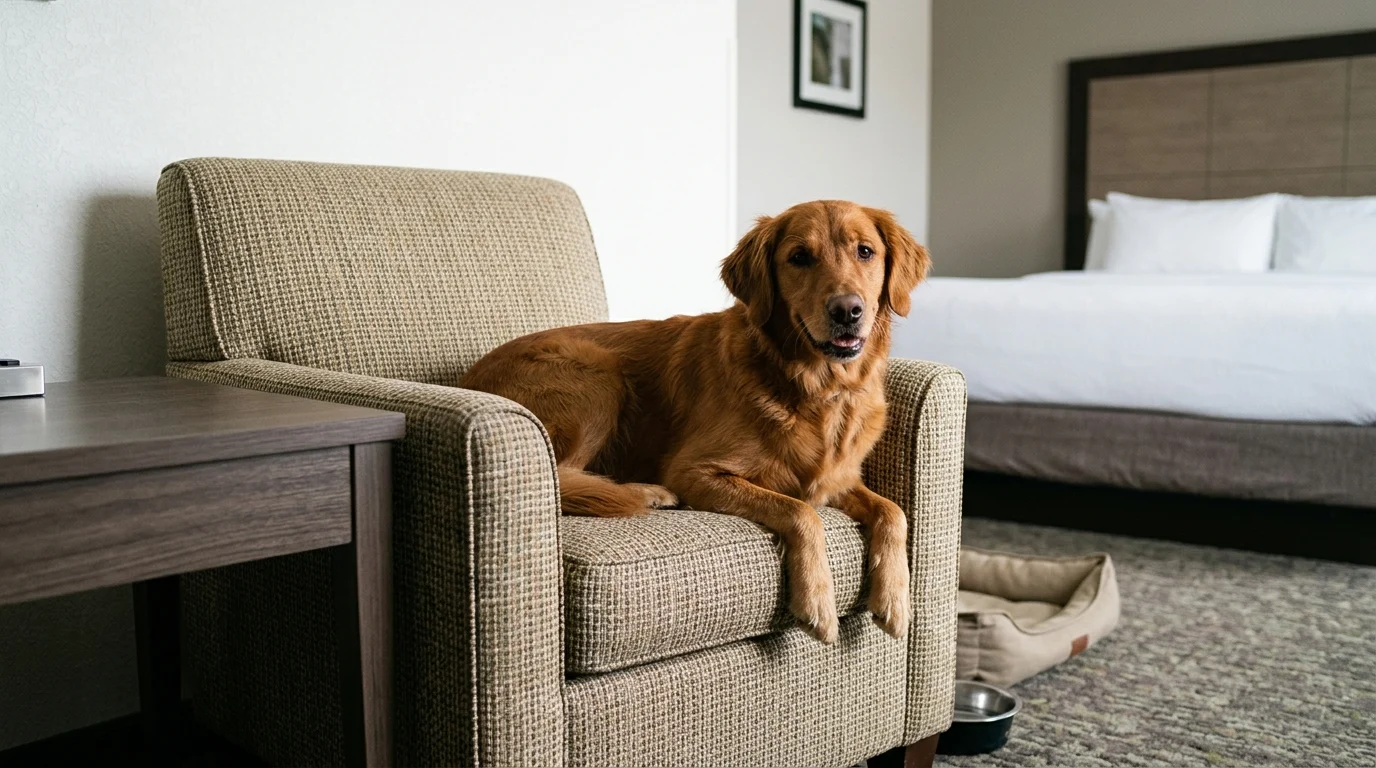
Pet-friendly rooms can be a revenue advantage, but they also put hotel furniture through a harsher lifecycle than standard guest rooms. Claws, chewing, accidents, odor retention, and repeated sanitizing can quickly shorten the useful life of soft seating, casegoods, and cushions if materials are specified like ordinary midscale FF&E. For La Quinta franchisees and procurement teams, the challenge is to preserve a warm, residential guest experience while building in commercial-grade resistance where pets create the most wear. This guide looks at practical material selection strategies for designated pet-friendly rooms, including upholstery performance, moisture protection, cleanability, and budget-conscious options for existing properties.
La Quinta Furniture Requirements for Pet-Friendly Rooms
As a prominent midscale hospitality brand within the Wyndham Hotels & Resorts portfolio, La Quinta is known for its welcoming pet policies, though specific weight limits and pet allowances can vary by franchisee and location. While Wyndham provides franchisees with significant flexibility regarding FF&E (Furniture, Fixtures, and Equipment) tiers, optimizing these spaces often requires specialized specifications that align with corporate procurement best practices. Accommodating pets exposes room interiors to heavy physical wear and harsh cleaning agents. It is important to note that these rigorous FF&E specifications apply primarily to designated pet-friendly room inventory during new-build or full-renovation scenarios. For existing properties, full FF&E replacement is often capital-prohibitive, making interim protective measures more practical. Industry experience suggests that without specialized material selection or protective protocols, these designated rooms experience a significantly higher turnover rate in soft goods.
Guest and pet-use scenarios
While individual property policies vary, pet-friendly hospitality environments generally accommodate domestic pets that interact directly with both soft seating and casegoods (hard furniture such as desks, dressers, and nightstands). Dogs and cats frequently jump onto beds, scratch at lounge chairs, and rest against desk bases. Furniture must withstand the sharp pressure of claws and the constant friction of animals rubbing against upholstery.
Furthermore, these environments must accommodate the behavioral tendencies of pets left unattended. Anxiety-induced behaviors often lead to scratching at doors, chewing on table legs, and accidents on soft surfaces. Specifying materials requires anticipating these extreme daily uses while maintaining safety for the animals, ensuring the content remains accessible and manageable for midscale franchisees without dedicated procurement staff.
Brand, comfort, and cleaning needs
Maintaining La Quinta’s brand standards requires balancing a warm, residential aesthetic with aggressive commercial durability. To ensure designated pet rooms blend seamlessly with standard-room aesthetics for non-pet guests, the selected hotel furniture must provide ergonomic comfort while incorporating hidden moisture barriers for easy housekeeping.
Cleaning protocols in these rooms are significantly more rigorous, demanding surfaces that do not degrade under frequent chemical sanitization. The sensory experience of the guest cannot be compromised; materials must remain breathable and soft to the touch, avoiding the stiff, plastic feel historically associated with heavy-duty commercial vinyls.
Common damage and maintenance risks
The most common sources of damage include claw punctures on soft seating, chewing on exposed wooden table legs, and bodily fluid saturation in cushions. Standard commercial fabrics often exhibit a high failure rate in pet-designated rooms due to odor retention and irreversible staining. This necessitates a strategic shift toward engineered performance materials for properties heavily catering to pet owners, reducing the risk of premature furniture failure.
Key Material Performance Criteria

Establishing rigorous technical specifications is the foundation of successful pet-friendly room design. Procurement teams often move beyond basic commercial grades, recommending specific laboratory-tested performance thresholds for textiles and solid surfaces to ensure long-term viability. However, specifiers should note that demanding ultra-high abrasion resistance and bleach-cleanable coatings can constrain aesthetic and textile choices, requiring a careful balance between design vision and operational reality.
Scratch and abrasion resistance
Scratch and abrasion resistance are quantified primarily through the Wyzenbeek test (ASTM D4157), a mechanical evaluation that rubs a piece of cotton duck fabric against the test material to simulate wear. While standard hospitality environments typically require 30,000 to 50,000 double rubs, industry best practices for pet-friendly upholstery often recommend exceeding 100,000 double rubs. This elevated threshold ensures the textile matrix will not easily rupture, fray, or pill under the abrasive action of pet claws over its intended lifespan.
Stain, odor, and moisture protection
Moisture barriers are critical for preventing urine and vomit from penetrating into foam cores, which creates permanent odor issues. For optimal protection, textiles should ideally incorporate an integrated polyurethane backing capable of blocking liquid penetration. Specifiers should verify practical hospitality textile standards to ensure the barrier effectively prevents liquids from passing through the weave into the vulnerable padding below, rather than relying on extreme waterproofing metrics borrowed from outdoor apparel.
Additionally, topical finishes must repel oil- and water-based stains without altering the fabric’s hand or breathability. Advanced treatments like Crypton or similar encapsulated fiber technologies provide a permanent barrier that cannot be washed or worn away during routine hotel maintenance.
Cleanability and chemical tolerance
Housekeeping efficiency relies on fabrics and finishes that tolerate aggressive hospital-grade disinfectants. Materials are ideally bleach-cleanable, typically supporting a 1:10 bleach-to-water dilution ratio without structural degradation.
Furthermore, colorfastness to light and washing should meet a minimum of AATCC Grade 4 to prevent fading from repeated chemical exposure.
| Performance Metric | Standard Commercial Grade | Pet-Friendly Recommendation |
|---|---|---|
| Abrasion Resistance | 30,000 – 50,000 Wyzenbeek | > 100,000 Wyzenbeek |
| Moisture Barrier | Optional / Topical only | Integrated PU backing |
| Chemical Tolerance | Standard detergents | 1:10 Bleach-cleanable |
| Colorfastness | Grade 3 | Grade 4 Minimum |
Best Furniture Materials by Category
Translating the aforementioned technical criteria into physical FF&E requires selecting the optimal material categories for each furniture component. The goal is to specify materials that mimic traditional woven fabrics and natural woods while delivering synthetic, heavy-duty durability.
Performance upholstery and coated fabrics
Polyurethane (PU) and polyvinyl chloride (PVC) coated fabrics are the industry standard for pet-friendly seating. While PVC offers superior puncture resistance against sharp claws, it can feel stiff and lack breathability, potentially compromising guest comfort. Advanced PU synthetics provide a softer, more climate-controlled seating experience for guests, preventing the uncomfortable heat retention common with older vinyls. However, specifiers should weigh these benefits against environmental concerns regarding synthetic manufacturing processes and end-of-life disposal.
Solution-dyed acrylics are also highly recommended for their inherent stain resistance and color permanence. Because the pigment is integrated into the fiber prior to extrusion, these fabrics can withstand harsh cleaning agents without losing their original hue, making them ideal for high-risk spill zones.
Durable casegoods, laminates, and veneers
Casegoods must resist chewing, scratching, and liquid damage. As a best practice, High-Pressure Laminate (HPL) with a recommended minimum thickness of 0.028 inches is often specified for horizontal surfaces, replacing vulnerable wood veneers that easily chip or absorb moisture.
While HPL tops and metal sled bases are ideal for desks and tables, they are not feasible for every furniture category, such as beds or dressers with drawers. For these specific items, alternative protective strategies—such as applying impact-resistant kickplates, utilizing heavy-duty edge banding on lower drawer fronts, or specifying solid surface plinth bases—can prevent damage. Edges represent the most frequent failure point on hotel casegoods. They are best protected when sealed with 2mm PVC edge banding applied with moisture-reactive polyurethane (PUR) adhesives. This prevents delamination caused by pet urine or standing water from spilled drinking bowls.
Pet-resistant flooring and accent surfaces
Beyond traditional furniture, accent surfaces and flooring must align with the pet-friendly strategy. Luxury Vinyl Tile (LVT) with a commercial wear layer of at least 20 mils is preferred over broadloom carpet to eliminate odor retention and simplify sanitization. However, operators must account for acoustic trade-offs, as hard LVT and metal frames can amplify the noise of clicking claws or clinking collars, potentially requiring area rugs or enhanced underlayment for sound dampening. Furniture bases, such as desk legs and lounge chair frames, should utilize 16-gauge powder-coated steel rather than soft woods like pine or rubberwood, which are highly prone to chewing damage.
Specification, Testing, and Procurement
The procurement phase demands rigorous oversight to ensure that specified materials perform as promised in real-world hospitality environments. Hoteliers must implement strict testing and supplier validation protocols, ideally utilizing Wyndham’s approved vendor programs—while recognizing that specific compliance requirements may vary by franchisee—before executing volume orders for La Quinta properties.
Material testing and sample review
Prior to final specification, procurement teams should request physical mock-ups and conduct field tests. Sample reviews must include simulated puncture tests and chemical saturation evaluations. Verifying independent laboratory reports for ASTM D4157 (abrasion) and AATCC 16 (colorfastness) ensures the selected materials legitimately meet the elevated 100,000 double-rub threshold rather than relying solely on manufacturer claims.
Warranty, lifecycle, and supplier requirements
Supplier agreements must account for the accelerated wear typical of pet-friendly rooms. Standard hospitality warranties almost universally exclude pet damage. Because custom pet-damage coverage is frequently unavailable or prohibitively expensive in standard supply contracts, operators must rely on the inherent durability of the specified materials rather than expecting warranty protections. Establishing clear lifecycle expectations—such as targeting 5-to-7 years for upholstered items and 10-to-12 years for casegoods—ensures suppliers understand the performance demands.
Additionally, supply chain logistics must be considered. Minimum Order Quantities (MOQs) for custom performance fabrics generally range from 50 to 500 yards. Procurement managers must factor these MOQs into the rollout schedule, ensuring adequate attic stock (spare inventory kept on-site for immediate replacements) is ordered to handle eventual replacements without triggering costly minimum run fees.
Custom versus standard furniture options
Off-the-shelf commercial furniture often features design elements that are highly vulnerable to pets, such as low wooden stretchers, exposed woven rattan, or skirts that drag on the floor. Customizing standard pieces drastically reduces long-term maintenance liabilities. For example, a standard wooden desk leg is a prime target for chewing, whereas substituting a powder-coated metal sled base eliminates this risk entirely.
While these custom modifications are highly effective for new builds or full renovation cycles, retrofitting existing casegoods with metal sled bases or HPL tops is often impractical for operating properties. In such cases, operators should implement practical interim strategies—such as applying clear edge guards, using protective mattress and cushion encasements, and establishing targeted deep-cleaning regimens—rather than defaulting solely to pet fees. However, for new procurements, elevating bases 6 inches off the floor prevents hidden accidents, allows for easy vacuuming, and ultimately protects the asset.
Final Selection and Cost Evaluation
The final material selection relies on a comprehensive financial analysis that looks beyond initial purchasing costs. Value engineering in pet-friendly rooms must prioritize lifecycle longevity and operational efficiency over immediate budget reductions.
Total cost of ownership
Because La Quinta is a midscale brand, franchisees must carefully weigh these upfront coated-fabric and HPL premiums against their specific operating budgets. While some operators prefer standard FF&E offset by non-refundable pet fees and deposits, a comprehensive Total Cost of Ownership (TCO) analysis often justifies the investment. Consolidating the costs of accelerated replacement cycles and daily maintenance reveals that premium materials yield significant long-term savings. High-durability coated fabrics and HPL casegoods carry an upfront premium, but they substantially extend the furniture’s lifespan and reduce daily housekeeping labor by streamlining the sanitization process.
Material decision matrix
A structured material decision matrix helps asset managers weigh upfront costs against durability and aesthetic value. This analytical approach removes subjectivity, ensuring every specified item mathematically justifies its place in the FF&E budget.
| Material Category | Upfront Cost Premium | Expected Lifespan | Maintenance Labor Impact |
|---|---|---|---|
| Standard Commercial Fabric | Base Cost | Short (Pet Room) | High (Frequent deep cleaning) |
| Performance PU/Crypton | Moderate Premium | Extended | Low (Wipe-clean) |
| Wood Veneer Casegoods | Base Cost | Moderate | High (Refinishing required) |
| HPL / Thermofused Melamine | Moderate Premium | Long-Term | Minimal |
Brand consistency and long-term value
Ultimately, the strategic selection of wear-resistant materials preserves La Quinta’s brand consistency within the broader Wyndham portfolio. To ensure successful implementation, procurement teams should follow a standardized compliance checklist:
- Verify property-specific policies: Confirm local franchisee pet weight limits and allowances.
- Request certified test reports: Seek independent lab results for abrasion (Wyzenbeek) and moisture barriers.
- Audit edge banding and bases: Prioritize casegoods featuring PUR-adhered PVC edges and metal bases for new builds.
- Review warranty exclusions: Understand standard pet-damage exclusions and prioritize material durability to mitigate these gaps.
By adhering to these actionable steps, operators can maximize room inventory flexibility, protect the asset’s long-term value, and sustain high
Key Takeaways
- Specify enhanced materials primarily for designated pet-friendly room inventory, especially during new-build or full-renovation projects.
- Use engineered performance fabrics with moisture barriers to reduce odor retention, staining, and cushion saturation from pet accidents.
- Protect exposed casegoods and wooden legs because chewing, scratching, and rubbing are common damage patterns in pet-use scenarios.
- Balance durability with guest comfort by choosing breathable, soft-touch materials that can tolerate frequent chemical sanitization.
- For existing La Quinta properties, prioritize interim protective measures when full FF&E replacement is capital-prohibitive.
Frequently Asked Questions
Q Why do pet-friendly La Quinta rooms need different furniture materials?
Q Are these furniture specifications required for every La Quinta guest room?
Q What are the most common furniture damage risks in pet-friendly rooms?
Q What should hotels look for in pet-friendly upholstery?
Q How can furniture stay brand-appropriate while being pet-resistant?
Post time: Aug-27-2026