
 joyce@taisenfurniture.com
 0086 15356090777


Introduction
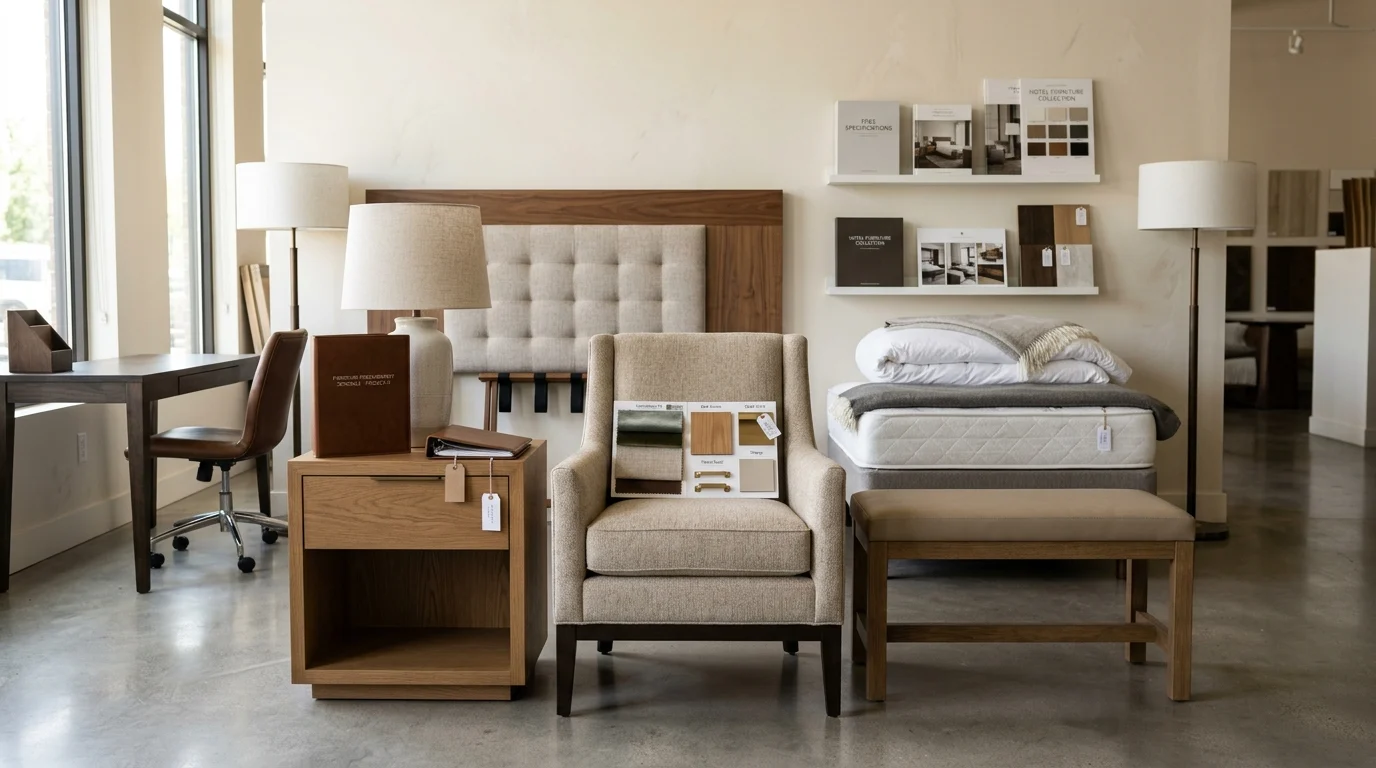
Controlling hotel furniture procurement costs requires more than pushing for lower unit prices. The real savings come from understanding which factors drive spend across the full FF&E process, from design choices and material grades to tooling, logistics, installation, and long-term durability. This article explains how to evaluate furniture through a total cost of ownership lens, identify cost-intensive specifications that can be adjusted, and standardize where it makes sense without weakening brand presentation or performance. By the end, you’ll have a clearer framework for reducing procurement expenses while still meeting quality expectations in demanding hospitality environments.
Reduce Hotel Furniture Procurement Costs Without Sacrificing Quality
Managing Furniture, Fixtures, and Equipment (FF&E) budgets requires a highly strategic approach to balance capital expenditure with stringent brand standards. Procurement professionals face the ongoing challenge of mitigating rising manufacturing expenses while maintaining the structural integrity and aesthetic appeal expected in high-traffic hospitality environments. Typically, FF&E accounts for 10% to 15% of a hotel’s total development cost, making strict budget optimization critical for overall project viability and return on investment.
Key Cost Drivers in Hotel Furniture Procurement
The primary cost drivers in hotel furniture procurement extend far beyond base raw material pricing. Manufacturing labor, complex finishing processes, and upholstery grading significantly impact the final per-unit price. Furthermore, custom tooling for bespoke, non-standard designs can inflate initial capital outlays by up to 25% compared to modifying existing catalog items. Logistics, warehousing, and installation labor also represent substantial portions of the budget, often adding 15% to 20% to the ex-factory cost. Recognizing these variables allows procurement teams to identify precise areas where costs can be trimmed—such as standardizing dimensions or simplifying veneer patterns—without negatively affecting the guest experience or brand perception.
Using Total Cost of Ownership to Define Value
Total Cost of Ownership (TCO) shifts the procurement focus from the initial purchase price to the asset’s complete lifecycle cost. A guestroom lounge chair acquired for $150 with a three-year lifespan ultimately costs more than a $220 chair engineered with a reinforced hardwood frame to withstand heavy commercial use for seven to ten years. TCO calculations must incorporate routine maintenance, cleaning efficiency, repairability, and eventual replacement costs. By targeting a maximum annualized replacement rate of 3% to 5% for casegoods, hoteliers can ensure long-term profitability. Upgrading to high-resiliency foam or contract-grade fabrics with a minimum of 50,000 Wyzenbeek double rubs increases the upfront cost marginally but drastically reduces the lifecycle replacement frequency.
Lower Costs Through Specification and Sourcing Choices
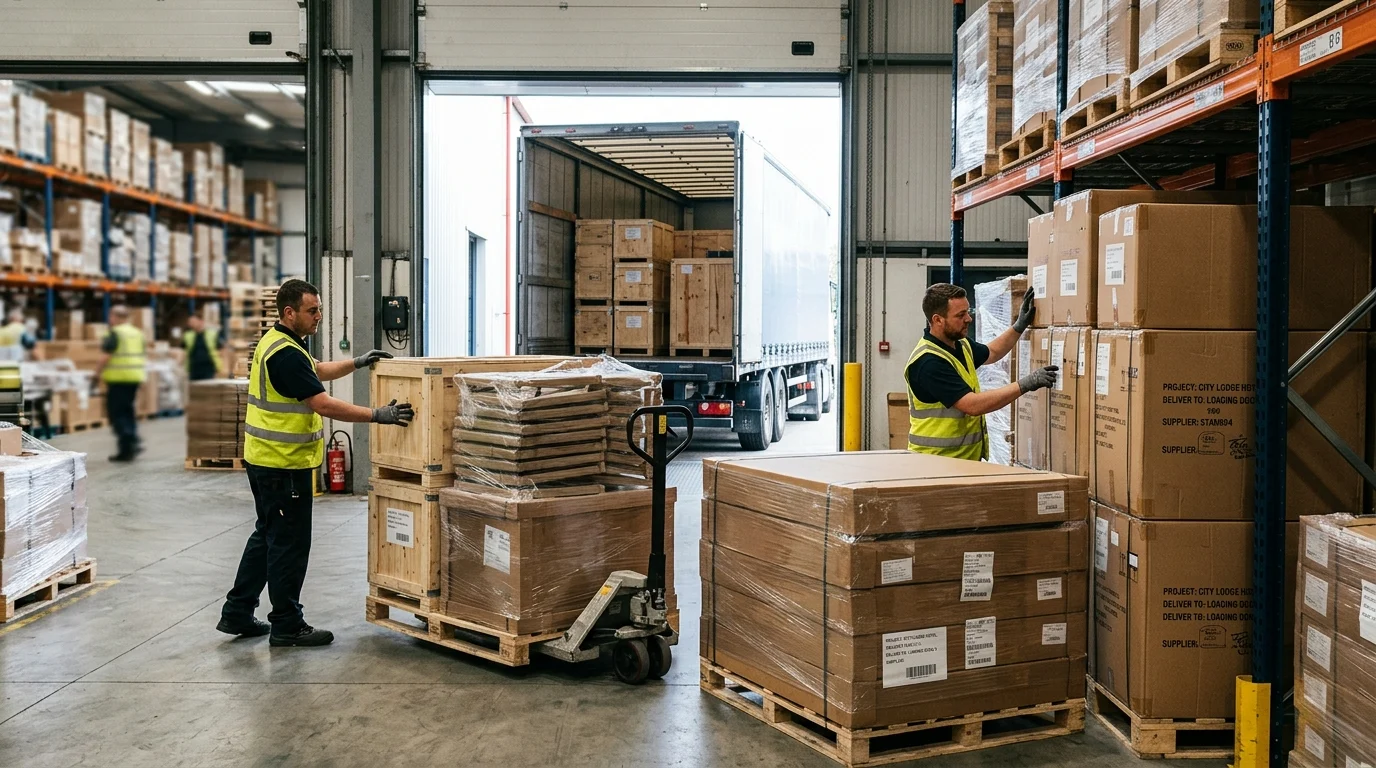
Strategic specification and intelligent global sourcing are the most effective levers for reducing unit costs prior to production. By proactively optimizing designs before manufacturing begins and selecting the appropriate geographic partners based on current macroeconomic conditions, hospitality brands can achieve substantial, sustainable savings.
Value Engineering, Standardization, and Material Selection
Value engineering (VE) is a critical phase that involves substituting materials or altering hidden construction methods to lower costs while preserving the original design intent and structural integrity. Standardization across multiple room types reduces the number of unique SKUs, allowing buyers to meet higher Minimum Order Quantities (MOQs)—often starting at 50 to 100 units per item—to unlock significant volume discounts.
| Material Substitution | Original Specification | Value Engineered Alternative | Estimated Cost Reduction | Impact on Durability & Maintenance |
|---|---|---|---|---|
| Casegoods Core | Solid Hardwood | Marine-grade Plywood with Wood Veneer | 18% – 25% | Minimal structural difference; highly stable |
| Upholstery | Top-Grain Leather | High-Performance Polyurethane (Faux Leather) | 30% – 40% | Higher stain resistance; easier to clean |
| Table & Vanity Tops | Natural Marble | Sintered Stone or Commercial Quartz | 40% – 50% | Non-porous; drastically less prone to chipping |
Comparing Suppliers, Manufacturing Regions, and Compliance
Sourcing decisions must carefully weigh factory labor costs against freight expenses, lead times, and geopolitical tariffs. While Southeast Asian manufacturing hubs like Vietnam offer highly competitive labor rates for complex casegoods, import tariffs—which can range from 5% to 25% depending on the origin and destination countries—and extended transit times can quickly offset these base cost benefits. Nearshoring to regions like Mexico or Eastern Europe may present slightly higher unit costs but provides shorter lead times and reduced freight volatility. Additionally, ensuring compliance with commercial standards such as FSC-certified wood or CAL 117-2013 flammability regulations adds approximately 3% to 8% to manufacturing costs. However, bypassing these compliance standards introduces severe legal liability and operational risks that far outweigh the initial savings.
Control Procurement Process and Logistics Costs
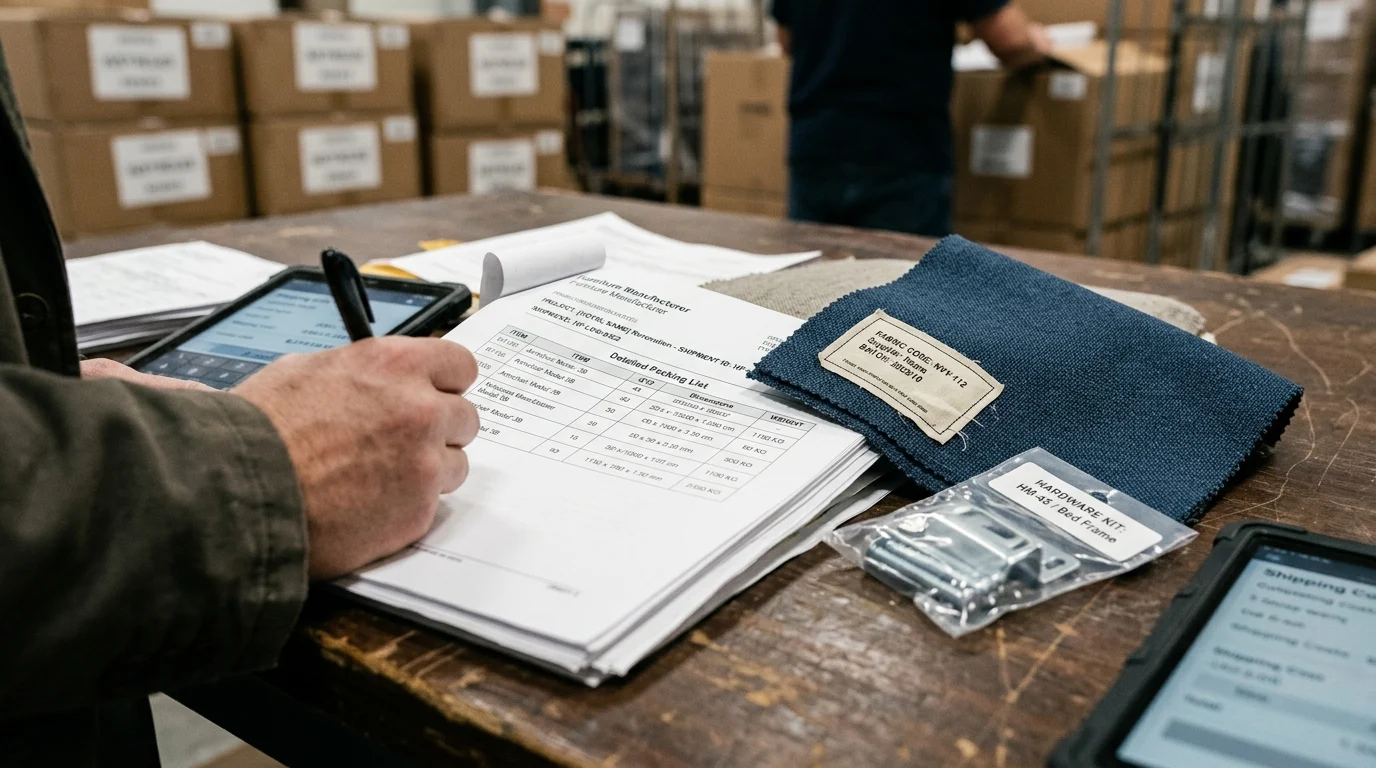
The final phase of procurement optimization lies in rigorous supply chain execution and process management. Inefficient bidding protocols and poorly managed logistics can rapidly erode the hard-won savings achieved during the specification and sourcing phases.
Bid Structure, Lead-Time Planning, and Freight Strategy
Structuring competitive bids requires transparent, highly detailed specifications to prevent suppliers from substituting inferior internal components to win the contract. Establishing a minimum of three qualified bids ensures market-aligned pricing. Lead-time planning is equally critical; standard custom hospitality furniture typically requires 12 to 16 weeks for production, plus an additional 4 to 6 weeks for ocean transit. Expediting orders due to poor project management can incur factory rush fees of 15% to 20% and force reliance on costly air freight. Furthermore, consolidating freight into Full Container Loads (FCL) optimizes shipping expenditures. Utilizing a standard 40-foot High Cube (40HQ) container efficiently, rather than shipping Less than Container Load (LCL), can reduce per-unit freight costs by up to 35%. Negotiating favorable Incoterms, such as FOB (Free On Board) versus DDP (Delivered Duty Paid), also plays a pivotal role in controlling final landed costs.
Balancing Upfront Cost, Durability, and Operational Risk
Achieving the lowest possible upfront cost inherently introduces operational risks, primarily regarding long-term durability and the threat of delayed property openings. Substandard internal joinery or inferior foam densities—specifically anything below 2.0 lbs/cu.ft. for commercial seating—will accelerate product degradation, leading to out-of-order rooms and measurable lost revenue. Procurement teams must balance initial capital expenditure with these operational realities by implementing rigorous quality control (QC) protocols. Conducting third-party factory audits and requiring pre-shipment inspections can cost between $300 and $500 per man-day, but this investment guarantees that the specified quality precisely matches the final installed product, ultimately safeguarding the hotel’s operational integrity and brand reputation.
Key Takeaways
- The most important conclusions and rationale for Hotel Furniture Procurement Costs
- Specs, compliance, and risk checks worth validating before you commit
- Practical next steps and caveats readers can apply immediately
Frequently Asked Questions
How can hotels cut furniture costs without lowering quality?
Focus on value engineering, standardize SKUs, and buy for total cost of ownership. Use durable contract-grade materials and simplify hidden construction or finishes instead of cutting visible quality.
Is cheaper hotel furniture always a better deal?
No. A lower upfront price can cost more if items fail early. Compare lifespan, maintenance, cleanability, and replacement rates before choosing the lowest bid.
Which material substitutions save the most money?
Common savings come from plywood with veneer instead of solid hardwood, performance polyurethane instead of leather, and quartz or sintered stone instead of marble.
How does standardization reduce hotel furniture procurement costs?
Using the same dimensions and finishes across room types reduces unique SKUs, helps meet MOQs, simplifies production, and improves volume pricing from suppliers.
Should hotels source furniture overseas or closer to the project site?
It depends on freight, tariffs, lead times, and installation schedule. Overseas may lower unit cost, but nearshoring can reduce shipping risk, delays, and total landed cost.

Post time: Apr-23-2026