
 joyce@taisenfurniture.com
 0086 15356090777


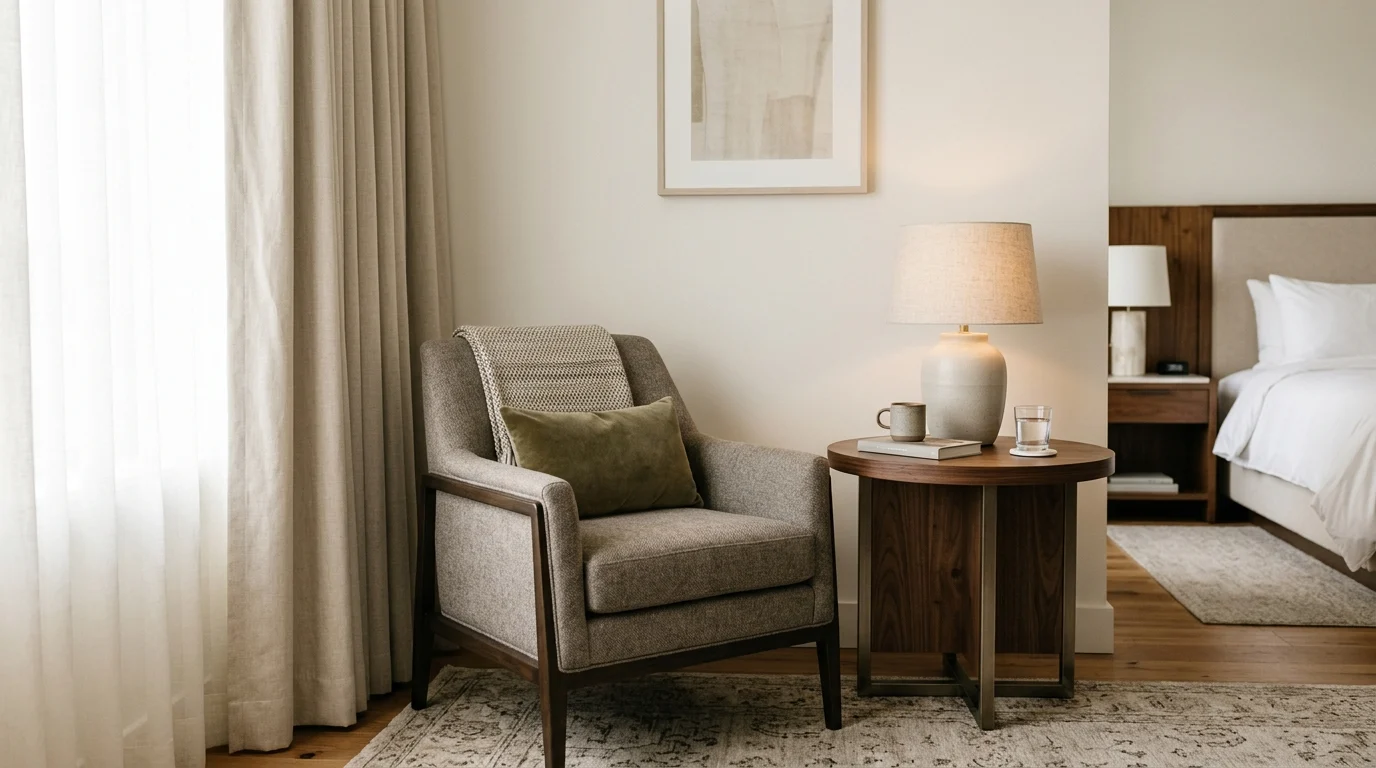
Why hotel furniture sourcing matters for 3-star motel projects
Procuring Furniture, Fixtures, and Equipment (FF&E) represents a critical capital expenditure for 3-star motel projects, dictating both the operational longevity of the property and the overall guest experience. For B2B wholesale buyers, distributors, and hotel procurement teams, navigating this category requires a strategic approach to balance upfront costs with long-term commercial viability.
In the competitive mid-scale hospitality sector, standardization is paramount. Importers and project managers must secure high-volume furniture packages that meet stringent brand guidelines while maintaining strict budgetary controls. A well-executed sourcing strategy streamlines installation and significantly reduces the total cost of ownership across the property’s lifecycle.
Defining scope and room requirements
The initial phase of hotel furniture sourcing involves a rigorous analysis of the room matrix and spatial constraints. Standard 3-star motel rooms, typically ranging from 300 to 400 square feet, require highly functional, space-optimized layouts. Procurement teams must define the exact scope of the FF&E package, which generally encompasses 12 to 16 distinct casegoods and upholstered items per key.
A standard room manifest includes king or queen headboards, nightstands, writing desks, TV panels, luggage benches, and streamlined wardrobe units. When defining this scope, project managers typically target a comprehensive furniture package cost ranging from $1,500 to $2,500 per key, depending on customization and brand tier. Establishing these baseline requirements early prevents scope creep and ensures subsequent supplier negotiations are anchored in concrete volume metrics.
Balancing cost, durability, and brand standards
For 3-star motels with high occupancy turnover, the tension between initial procurement costs and lifecycle durability is a primary concern. Furniture must withstand rigorous daily use, frequent cleaning protocols, and potential guest abuse. Consequently, material selection is the primary lever for balancing these competing demands.
Substrates like Medium-Density Fiberboard (MDF) combined with High-Pressure Laminate (HPL) finishes offer an optimal intersection of affordability and impact resistance. Unlike solid wood, which is cost-prohibitive and prone to warping in fluctuating climates, commercial-grade MDF provides dimensional stability. Hardware selection is equally critical; specifying 304 stainless steel hinges and drawer glides prevents premature mechanical failure.
| Material Specification | Primary Application | Relative Cost Level | Commercial Durability Rating |
|---|---|---|---|
| Solid Wood / Veneer | Luxury / 5-Star Casegoods | High | Moderate (Prone to scratching) |
| MDF with HPL Finish | 3-Star Motel Surfaces | Medium | High (Scratch & moisture resistant) |
| Particleboard with LPL | Economy / 1-Star Motels | Low | Low (Vulnerable to edge chipping) |
| 304 Stainless Steel | Hardware & Exposed Legs | Medium-High | Excellent (Corrosion resistant) |
What procurement teams should review when buying hotel furniture

Transitioning from project scoping to active purchasing requires procurement teams to rigorously evaluate technical specifications and supplier capabilities. Buying hotel furniture at scale is not merely about aesthetic alignment; it is a complex technical acquisition where minor oversights in material performance can lead to massive replacement costs.
For properties with 50 to 150 rooms, standardizing procurement through vetted manufacturers is essential. Buyers must scrutinize detailed product data sheets, ensuring every piece of furniture complies with international safety standards and the specific operational realities of a 3-star environment.
Room-by-room specifications, materials, and performance
A successful procurement cycle relies on granular, room-by-room specifications. For casegoods like TV cabinets, vanity bases, and writing desks, buyers should mandate E1 or E0 formaldehyde emission standards for wood panels to ensure indoor air quality compliance. Edge banding must be machine-applied at high temperatures (typically 2mm PVC) to prevent peeling under humid conditions.
Upholstered items, including lounge chairs, sofas, and padded headboards, demand equally strict performance metrics. Procurement teams should require fabrics that are “three anti-proof”—specifically engineered to be waterproof, fireproof, and anti-fouling. Commercially viable textiles must pass rigorous abrasion testing, with a minimum Martindale rub count of 40,000 to 50,000 cycles to survive the heavy traffic typical of 3-star motel guestrooms.
Comparing suppliers on customization and service
When comparing offshore manufacturers, capability goes far beyond the quoted price per unit. Procurement teams must evaluate a supplier’s capacity to deliver custom FF&E solutions seamlessly. A robust manufacturer should demonstrate a production capacity exceeding 500 room sets per month, ensuring large-scale project timelines are not derailed by manufacturing bottlenecks.
Service infrastructure is another vital differentiator. Suppliers offering one-stop services—from initial CAD shop drawings to final manufacturing—minimize the risk of miscommunication. Buyers should prioritize vendors with proven track records in North American or European markets, evidenced by their status as qualified vendors for major mid-scale hotel brands. Furthermore, standard commercial warranties of 3 to 5 years on structural integrity should be a non-negotiable baseline during supplier comparisons.
How importers and distributors should execute hotel furniture sourcing
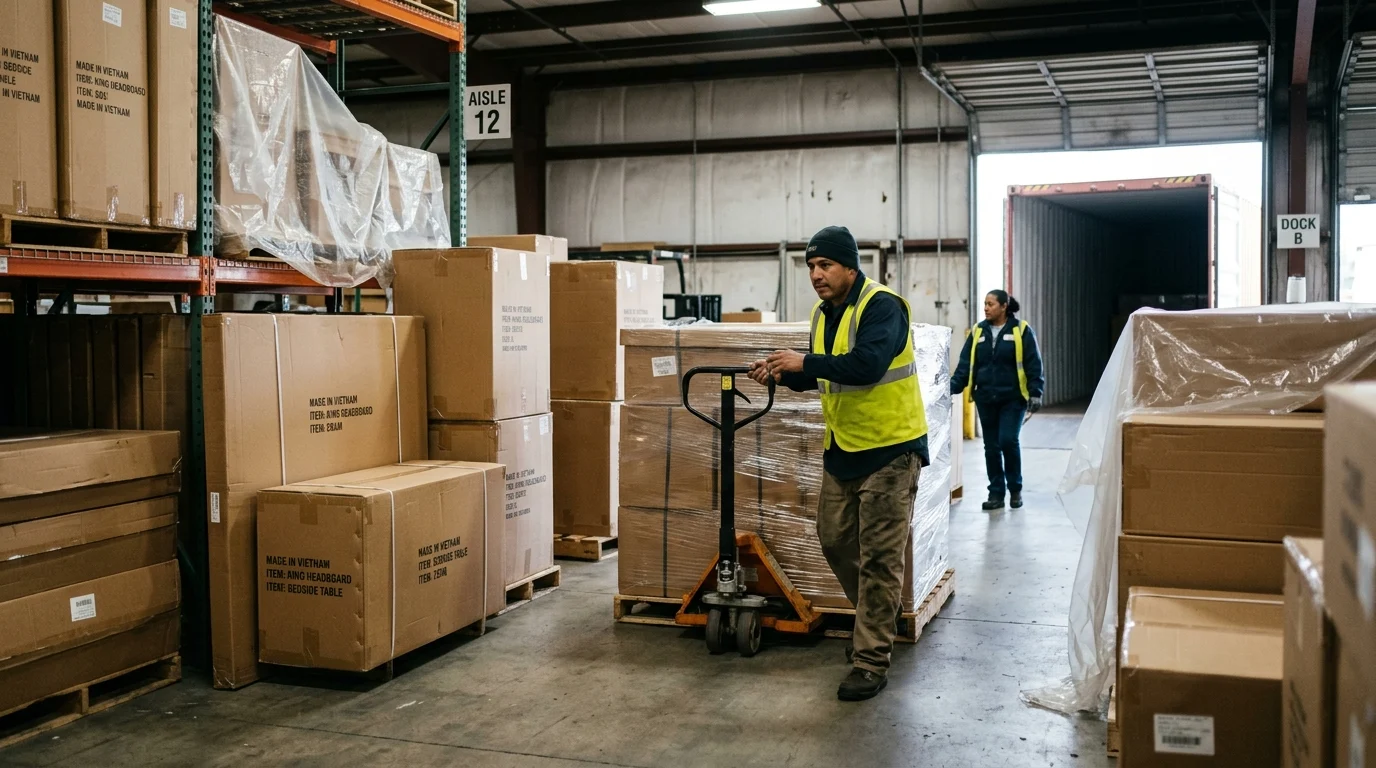
For importers and distributors acting as intermediaries between overseas factories and domestic hotel developers, executing the sourcing strategy is an exercise in risk management and margin protection. The logistical complexities of moving bulky casegoods across the globe require meticulous planning.
A successful execution phase bridges the gap between factory production and site installation, ensuring the physical product matches approved specifications without incurring costly delays, transit damages, or cash flow disruptions.
Reducing risk in sampling, production, and logistics
Mitigating risk begins long before mass production commences. Importers must mandate a fully finished mock-up room (sample room) to verify dimensions, hardware functionality, and finish quality. Once approved, buyers must account for standard production lead times, which typically span 35 to 45 days, followed by an additional 30 days for trans-Pacific ocean freight.
To protect the cargo during this extensive transit period, distributors must enforce strict packaging protocols. Standard export packaging should include reinforced foam corners, pearl cotton wrapping, and heavy-duty corrugated cartons, all secured on standardized wooden pallets. Implementing these rigorous packaging specifications is critical to keeping the transit damage rate below a threshold of 1.5%, thereby avoiding costly site delays and emergency replacement orders.
Final supplier selection
Ultimately, finalizing the supplier selection requires synthesizing all these factors.
Key Takeaways
- Wholesale sourcing and supply-chain implications for hotel furniture
- Specifications, compliance, and commercial terms buyers should validate
- Actionable recommendations for distributors and procurement teams
Frequently Asked Questions
What furniture package is typical for a 3-star motel room?
Most projects specify 12–16 items per key, such as headboard, nightstands, desk, TV panel, luggage bench, and wardrobe, sized for 300–400 sq ft rooms.
What is a practical budget per room for hotel furniture?
A common target is $1,500–$2,500 per key, depending on customization, brand standards, hardware grade, and upholstery requirements.
Which materials work best for durable mid-scale hotel furniture?
Commercial MDF with HPL is usually the best value for casegoods, paired with 304 stainless steel hardware for better resistance to wear, moisture, and corrosion.
What specifications should buyers check before placing an order?
Confirm E1 or E0 panels, 2mm PVC edge banding, 304 stainless hinges and slides, and upholstery with waterproof, fire-resistant, stain-resistant performance and 40,000–50,000 Martindale rubs.
How can procurement teams reduce replacement and installation issues?
Standardize room-by-room specs early, lock dimensions and quantities, and use vetted manufacturers with clear product data sheets, samples, and consistent production quality.

Post time: Apr-21-2026