joyce@taisenfurniture.com
 0086 15356090777


Hotel Furniture Procurement: Avoiding Supplier Pitfalls
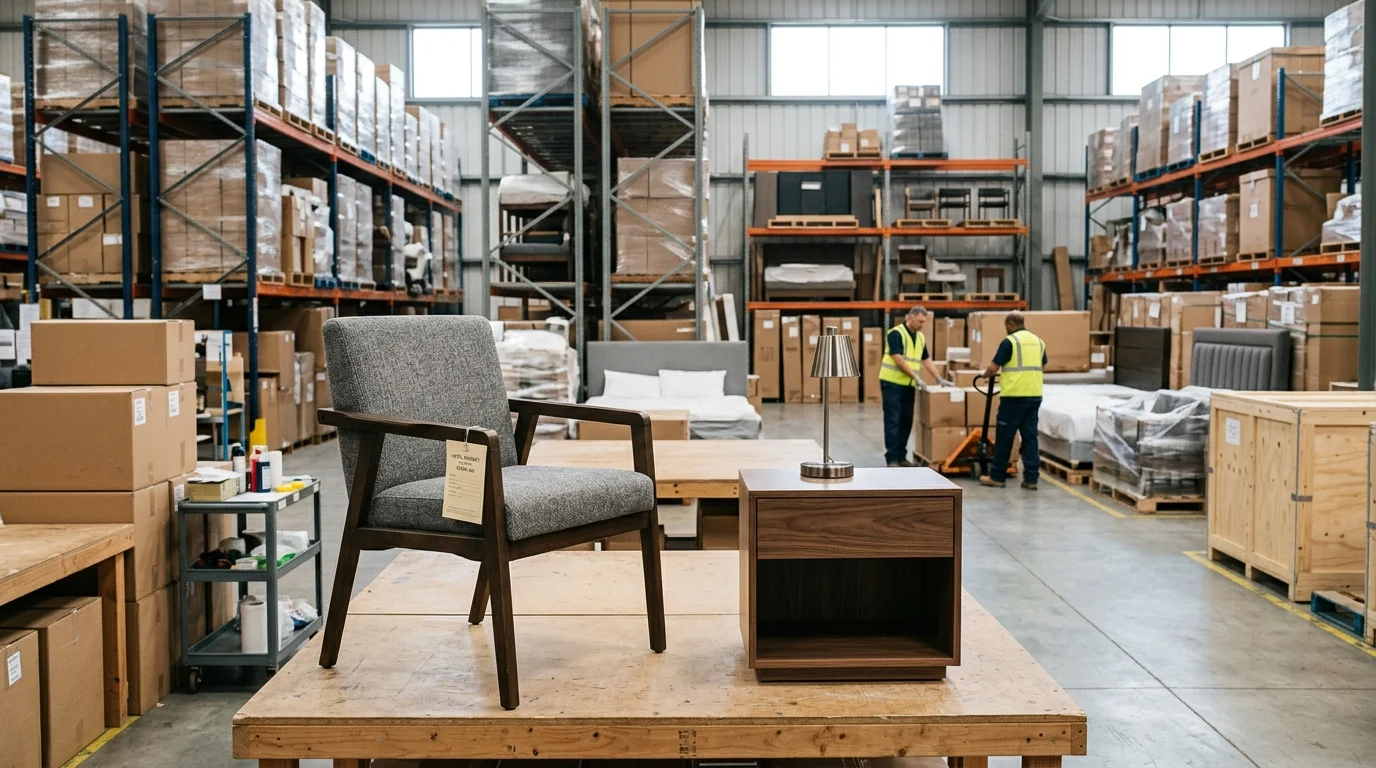
Why Hotel Furniture Procurement Fails Despite Low Unit Prices
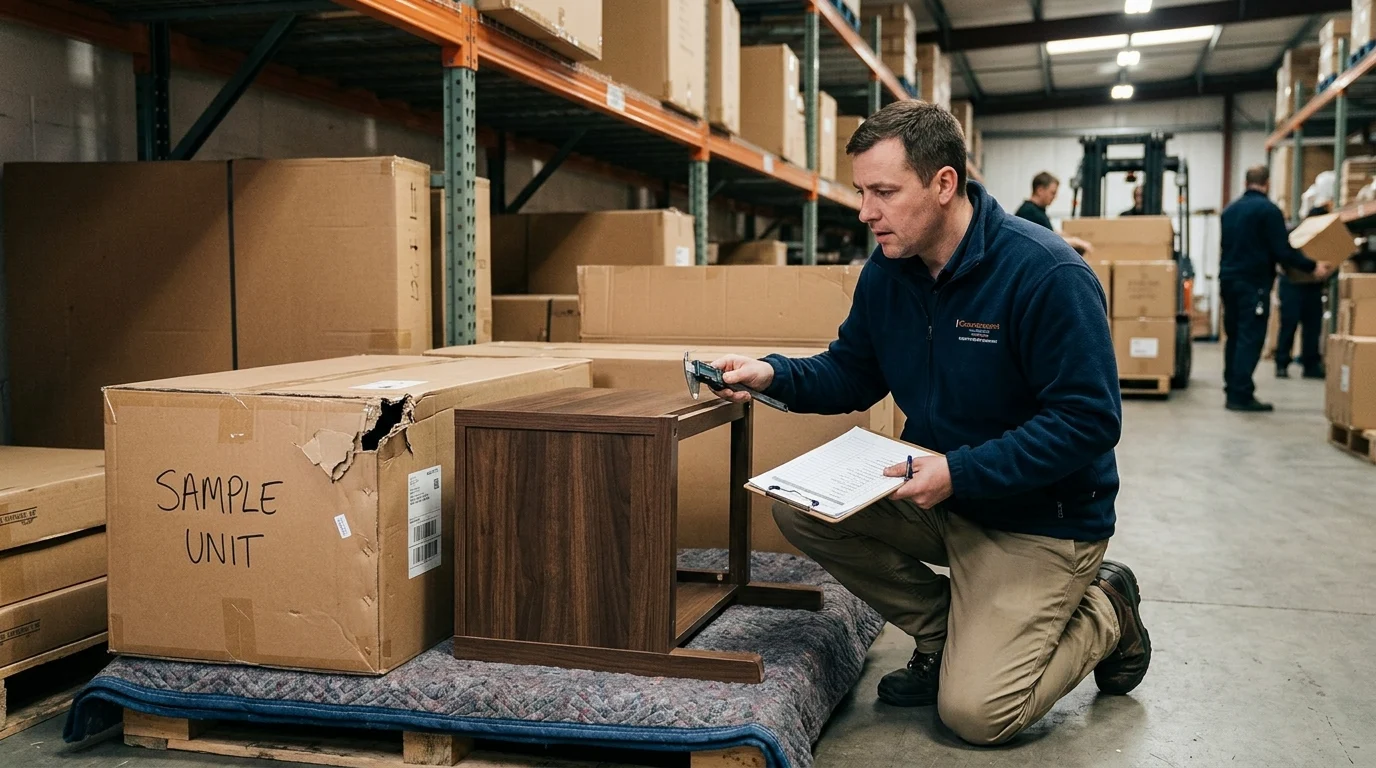
For B2B wholesale buyers, procurement teams, and hotel developers, securing a low unit price on a purchase order often feels like a major victory. However, in the complex world of commercial hospitality sourcing, an aggressive focus on unit cost frequently leads to catastrophic project failures. Hotel furniture requires a delicate balance of aesthetic appeal, high-traffic durability, and strict safety compliance, meaning that “cheap” manufacturing often masks hidden liabilities.
When buyers negotiate prices down to the absolute floor, suppliers typically compensate by cutting corners on raw materials, structural integrity, or packaging quality. These invisible compromises do not manifest until the furniture arrives on-site or, worse, after it has been installed in guest rooms. The resulting fallout disrupts the entire financial model of a hospitality project.
Ultimately, successful hotel furniture procurement demands a shift from measuring unit price to calculating Total Cost of Ownership (TCO). Understanding the downstream effects of cheap sourcing is the first step in building a resilient, profitable supply chain.
Impact on timelines, operating costs, and brand consistency
Delays in furniture delivery translate directly into delayed hotel openings, costing developers thousands of dollars in lost daily revenue. Furthermore, when substandard furniture fails prematurely under commercial use, operating costs spike due to constant maintenance and replacement. For franchised properties, failing to maintain brand consistency because of mismatched or degraded furniture can lead to failed corporate audits.
How low quotes raise total landed cost
A quote that is 20% cheaper than the market average often results in a higher total landed cost. Suppliers offering bottom-tier pricing frequently use inferior export packaging, leading to high damage rates during ocean freight. Additionally, poorly machined parts require more labor hours for on-site assembly, shifting the financial burden from the factory floor to your installation contractors.
Common supplier pitfalls for multi-property buyers
Multi-property buyers frequently encounter the “bait-and-switch” tactic, where the factory produces a flawless golden sample but uses lower-grade wood veneers or lower-density foam for mass production. Another major pitfall is unauthorized subcontracting; when a factory reaches capacity, they may outsource your order to an unvetted facility, completely voiding your quality control standards.
What to Include in a Hotel Furniture Specification Package
A robust specification package (spec pack) is the most critical document in cross-border furniture sourcing. It serves as the definitive legal and technical blueprint for your order, eliminating ambiguity and preventing suppliers from making unauthorized assumptions about your quality expectations.
Without comprehensive specifications, factories will default to their standard, often cheaper, domestic manufacturing methods. A well-crafted spec pack forces suppliers to quote accurately, ensuring that all competing bids are based on identical materials, construction techniques, and compliance standards.
Procurement teams must treat the spec pack as a binding technical contract. It should encompass detailed CAD drawings, material call-outs, finishing requirements, and commercial terms to ensure seamless execution from sampling to final delivery.
Priority categories that need detailed specs
Different items require different levels of scrutiny. Casegoods (wardrobes, desks, nightstands) demand precise hardware and veneer specifications. Upholstered seating requires strict foam density and fabric rub-count details. When sourcing a complete hotel bedroom set, coordinating finishes across mixed materials (wood, metal, glass) must be explicitly detailed to ensure color matching.
Core requirements for materials, construction, and safety
Specifications must dictate exact wood moisture content (typically 8-12% for export) to prevent warping. Upholstery fabrics must meet commercial double-rub standards (e.g., 50,000+ Wyzenbeek) and specific fire retardancy codes. Construction details, such as English dovetail joints for drawers and corner-blocking for seating, must be explicitly required rather than requested.
Commercial terms to lock before RFQ
Before releasing an RFQ, define your Incoterms (e.g., FOB or CIF), acceptable payment structures (such as 30% deposit / 70% against Bill of Lading), and warranty expectations. Locking these variables early prevents suppliers from offering a low unit price but compensating with unfavorable logistics or payment terms later.
How to Compare Hotel Furniture Suppliers Beyond Price
Evaluating a potential manufacturing partner requires looking far beyond the proforma invoice. In the B2B landscape, the reliability of the factory is just as important as the quality of the product. An unreliable supplier can jeopardize millions of dollars in hospitality investments.
A comprehensive vetting process involves auditing the supplier’s financial stability, production capacity, quality management systems, and track record with similar commercial projects. Procurement teams must differentiate between genuine manufacturers and trading companies that add unnecessary markups and obscure the supply chain.
By utilizing standardized assessment tools and visiting facilities—or at least reviewing a detailed company video and conducting live virtual tours—buyers can mitigate risk and select partners capable of scaling with their portfolio.
Factory capability, references, and quality systems
Verify the factory’s ISO 9001 certifications and ask for references from other international hospitality brands. Assess their in-house capabilities: do they own their wood-drying kilns and metal-fabrication workshops, or do they outsource? A factory with integrated production lines offers better quality control and more reliable lead times.
Supplier scorecard: cost, lead time, defects, and terms
Implementing a supplier scorecard helps quantify factory performance objectively.
| Evaluation Criteria | Weight | Key Metrics to Assess |
|---|---|---|
| Pricing & Cost TCO | 30% | Unit price, tooling costs, payment terms flexibility |
| Quality & Compliance | 30% | Defect rates, material certifications, testing pass rates |
| Production Lead Time | 20% | On-time delivery rate, sample turnaround, capacity |
| Communication & Service | 20% | English proficiency, claim resolution speed, engineering support |
When to choose OEM vs ODM
Choose OEM (Original Equipment Manufacturer) when outfitting a property with strict, custom brand standards, such as a specific Marriott hotel bedroom set. Choose ODM (Original Design Manufacturer) when sourcing for independent boutique hotels or budget chains where you can leverage the factory’s existing, pre-engineered designs to save on tooling costs and lead times.
Common Compliance and Quality Risks in Cross-Border Sourcing
Importing commercial furniture involves navigating a minefield of international regulations and safety standards. Hospitality environments are heavily regulated, and non-compliant furniture can lead to failed building inspections, delayed openings, or severe legal liabilities in the event of an accident or fire.
Many overseas factories are accustomed to manufacturing for residential markets or regions with lax regulations. Procurement teams must explicitly mandate compliance with the destination country’s specific commercial codes, and more importantly, they must verify this compliance through independent testing.
Quality risks also extend to the consistency between the approved prototype and the mass-produced batch. Without rigorous oversight, material degradation during bulk production is a common and costly issue.
Fire, VOC, structural, and labeling requirements
Upholstered items must meet flammability standards like CAL 117 or BS 7176. Casegoods must comply with EPA TSCA Title VI or CARB Phase 2 limits for formaldehyde emissions (VOCs). Structural integrity should align with BIFMA standards for commercial use, and all items must carry appropriate law tags and compliance labeling for customs clearance.
How to verify materials and sample-to-bulk consistency
Never rely solely on factory-provided certificates. Require the supplier to send raw material samples to an independent third-party laboratory (like SGS or Intertek) for verification. Keep a signed, sealed “golden sample” at the factory and another at your headquarters to serve as the undisputed benchmark for mass production.
Inspection checkpoints before shipment
Implement a multi-stage inspection strategy. Conduct a DUPRO (During Production) inspection when 20-30% of the goods are finished to catch systemic errors early. Follow this with an FRI (Final Random Inspection) using standard AQL (Acceptable Quality Limit) parameters before authorizing the final balance payment and container loading.
How Packaging, Shipping, and Installation Affect Landed Cost
Logistics and installation frequently account for 20% to 30% of the total budget in hotel furniture procurement. Ignoring how items are packaged and shipped is a fast track to cost overruns. High-volume commercial furniture takes up significant cubic meterage (CBM), making ocean freight a major cost driver.
Furthermore, the condition in which the furniture arrives dictates the speed and cost of on-site installation. Damaged goods require expensive local repairs or emergency replacements, while overly complex assembly instructions inflate the hourly billing of local installation crews.
Strategic buyers optimize packaging not just for protection, but for container density and ease of handling at the destination property.
Export packaging standards that reduce damage
Commercial furniture requires robust export packaging. Specify 5-ply corrugated cartons, high-density EPE foam (not cheap EPS/Styrofoam that crumbles), rigid corner protectors, and moisture-absorbing desiccant packets. Require factories to perform ISTA drop tests on packaged goods to ensure they can survive the rigors of ocean transit and forklift handling.
Flat-pack vs knock-down vs assembled comparison
| Packaging Method | Freight Cost Impact | Installation Labor Cost | Best Use Case |
|---|---|---|---|
| Fully Assembled | High (Low container density) | Low (Ready to place) | Lounge chairs, nightstands, complex casegoods |
| Knock-Down (KD) | Medium (Moderate density) | Medium (Basic assembly) | Beds, large dining tables, oversized desks |
| Flat-Pack (RTA) | Low (High container density) | High (Time-intensive) | Budget motel wardrobes, basic shelving units |
Logistics terms to clarify before shipping
Clearly define who handles customs clearance and inland freight. If buying FOB (Free on Board), the factory is only responsible for loading the goods onto the vessel. Clarify demurrage and detention terms with your freight forwarder to avoid daily penalty fees if container unloading is delayed at the hotel site.
How to Avoid Supplier Pitfalls During Negotiation and Order Execution
Negotiating a B2B furniture contract is about aligning incentives and mitigating risk, not just grinding down the price. A successful negotiation establishes clear protocols for what happens when things go wrong—because in global supply chains, disruptions are inevitable.
Order execution requires aggressive project management. Buyers cannot simply issue a purchase order and wait for a shipping notification. Proactive tracking of raw material acquisition, production milestones, and quality control checkpoints is essential to keep the project on schedule.
By structuring contracts with protective clauses and maintaining a disciplined sourcing process, procurement teams can protect their margins and ensure reliable delivery schedules.
Step-by-step sourcing process from RFQ to delivery
Begin with a detailed RFQ sent to a vetted shortlist. Evaluate quotes, request material swatches, and commission a full-scale room mockup (pilot run). Once the mockup is approved, sign a detailed manufacturing agreement, issue the deposit, and monitor production milestones. Exploring a supplier’s broader products catalog during this phase can also help consolidate purchasing and increase negotiating leverage.
Contract clauses that reduce delay and defect risk
Include a liquidated damages clause that penalizes the factory (e.g., 0.5% of the PO value per day) for late deliveries. Stipulate that the factory bears all costs for replacing defective goods discovered during the Final Random Inspection, including the cost of re-inspection by your third-party auditor.
Ways to protect margin with inventory and sourcing strategies
For rolling renovations across multiple properties, negotiate buffer stock agreements where the factory holds 5-10% extra inventory of key items to immediately replace any damaged goods. Utilize currency hedging if buying in local currencies, and lock in raw material prices for 6-12 months to protect your margins against inflation.
Hotel Furniture Supplier FAQ for B2B Buyers
Navigating the operational norms of overseas furniture factories can be challenging for new procurement teams. Understanding standard industry practices helps buyers set realistic expectations and negotiate more effectively.
Factories operate on strict economies of scale, meaning their policies on minimum orders, lead times, and financial terms are generally rigid unless you have significant purchasing volume. Knowing these baselines allows buyers to structure their project timelines and cash flow accordingly.
Below are the most common operational questions B2B buyers face when sourcing commercial hotel furniture.
MOQ and mixed-SKU order expectations
Minimum Order Quantities (MOQs) for custom hotel furniture typically range from 20 to 50 room sets, depending on the complexity of the design. Factories are often willing to mix multiple SKUs (beds, desks, chairs) within a single 40HQ container, but they will resist small runs of highly customized individual pieces due to the high setup costs for machinery.
Standard production and replenishment lead times
Initial production for a custom hotel project usually requires 45 to 60 days after the final approval of shop drawings and receipt of the deposit. Replenishment orders for existing designs are faster, typically taking 30 to 45 days. Buyers must add 20 to 40 days for ocean freight and customs clearance depending on the destination port.
Payment terms, warranties, and claim procedures
Standard B2B payment terms are a 30% T/T deposit to initiate production, with the 70% balance paid after successful inspection but before the container is released (against the Bill of Lading). Commercial warranties generally cover manufacturing defects for 3 to 5 years. Claim procedures must be documented in the contract, typically requiring photos and videos of defects within 30 days of receiving the container.
Key Takeaways for Lower-Risk Hotel Furniture Sourcing

Successfully procuring hotel furniture requires a paradigm shift from transactional purchasing to strategic supply chain management. The risks of non-compliance, delayed openings, and product failure far outweigh the short-term benefits of an artificially low unit price.
By demanding rigorous specifications, implementing strict quality control audits, and optimizing logistics, B2B buyers can drastically reduce their exposure to supplier pitfalls. Sourcing is an ongoing process of evaluation and refinement, requiring constant vigilance over factory performance.
Ultimately, disciplined procurement protects the brand’s reputation, ensures a superior guest experience, and safeguards the financial viability of the hospitality project.
Focus on total cost, compliance, and execution reliability
Always calculate the Total Cost of Ownership, factoring in freight, installation labor, and expected lifespan. Prioritize factories that demonstrate a deep understanding of international commercial compliance and have a proven track record of reliable, on-time execution.
When to shortlist, pilot, renegotiate, or exit
Shortlist suppliers based on audited capabilities, not just flashy marketing. Always pilot a full room mockup before mass production. Reviewing a factory’s About Us page and corporate history can provide insight into their long-term stability. If a supplier consistently misses deadlines or fails AQL inspections, execute an exit strategy and shift production to a pre-vetted backup facility.
How disciplined procurement supports long-term margins
A disciplined sourcing strategy minimizes emergency air-freight costs, reduces local repair bills, and ensures hotels open on schedule to begin generating revenue. By building strong, accountable relationships with reliable manufacturers, procurement teams transform the furniture supply chain from a risk center into a competitive advantage that drives long-term profitability.
Related reading: Home
Key Takeaways
- Wholesale sourcing and supply-chain implications for Hotel Furniture
- Specifications, compliance, and commercial terms buyers should validate
- Actionable recommendations for distributors and procurement teams