
 joyce@taisenfurniture.com
 0086 15356090777


Why Younger Travelers Matter for Hotel Furniture Strategy
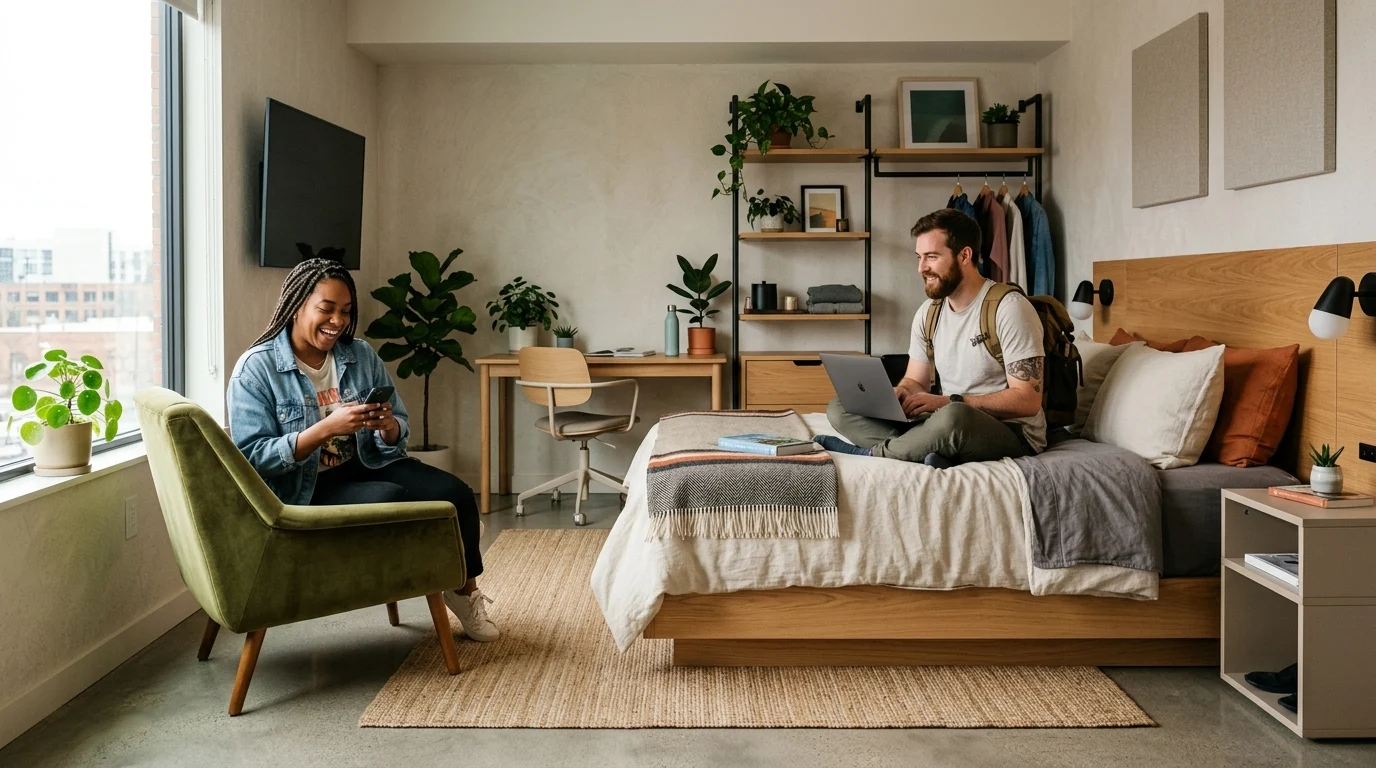
The demographic shift in global travel has repositioned Millennials (born 1981–1996) and Generation Z (born 1997–2012) as the dominant purchasing cohorts in the hospitality sector. Industry projections indicate that by 2025, these two groups will account for an estimated 55% to 60% of the core consumer base for hotels worldwide. It is important to acknowledge that generational preferences represent broad trends rather than universal rules, with significant variance depending on region, travel purpose, and income level. Nevertheless, this demographic transition necessitates a fundamental recalibration of asset management and interior design strategies, particularly regarding fixtures, furniture, and equipment (FF&E).
For decades, hotel design relied on standardized, predictable room layouts featuring heavy casegoods and rigid spatial divisions. Today, the strategic selection of commercial furnishings is no longer just an operational necessity; it is a vital component of market positioning and revenue generation that must adapt to a new era of hospitality.
How Gen Z and Millennials influence hotel design expectations
Generational shifts dictate a departure from strictly utilitarian spaces toward experiential environments. Younger travelers frequently reject the institutional feel of traditional accommodations, expecting hotel interiors to reflect contemporary residential or high-end co-working aesthetics rather than traditional hospitality norms. Though expectations can vary significantly by region—with furniture scale, modularity needs, and material preferences differing among urban European, Asian, and North American markets—industry surveys consistently indicate that roughly 65% to 75% of travelers under the age of 40 prioritize unique design and atmosphere over conventional luxury amenities like bellhop services or formal dining.
This expectation forces designers to rethink spatial flow. Lobbies are no longer mere transit zones but are expected to function as vibrant, multi-use hubs. Consequently, the scale and proportion of furnishings must support fluid movement and spontaneous gathering, favoring low-profile modular seating and communal tables over isolated, formal lounge arrangements.
Why furniture choices affect guest satisfaction and brand perception
The physical touchpoints within a guestroom directly correlate with digital reputation management. A poorly designed desk or an uncomfortable chair can immediately trigger negative online reviews, disproportionately impacting a property’s average daily rate (ADR). Conversely, highly functional, aesthetically pleasing environments encourage user-generated content, effectively serving as free organic marketing.
Furthermore, the integration of technology into furnishings is a critical satisfaction driver. Younger guests routinely travel with an array of smart devices, requiring constant connectivity. Sourcing thoughtfully designed hotel furniture that incorporates accessible, high-speed charging solutions eliminates friction during the stay. Providing integrated 110V outlets and USB-C ports with a minimum 65W output capable of charging laptops significantly enhances guest satisfaction, reducing negative tech-related reviews by an estimated 15% to 20%.
Furniture Styles That Appeal to Gen Z and Millennial Guests
Rather than strict generational divides, Millennials and Gen Z represent overlapping preference clusters. Age alone is often a weak predictor of individual taste, and both cohorts share foundational priorities: integrated technology, sustainability, and modular flexibility. Designing for these groups requires a delicate balance between high-impact visual statements and ergonomic, long-lasting utility. It is also crucial to note that regional and cultural variances play a massive role; a highly activated, “camera-ready” co-working lobby that thrives in a North American urban center may not resonate in all global markets. Ultimately, the most successful FF&E strategies deploy a hybrid approach, masking commercial-grade durability (typically engineered for 7- to 10-year lifecycles) behind residential-style silhouettes.
Gen Z preferences for flexible, social, and photo-friendly spaces
Generation Z places a premium on visual identity and digital shareability, though this often overlaps with broader modern design trends. For this demographic, a hotel space benefits from being visually engaging from multiple angles. Furniture that features bold colors, asymmetric geometries, and unconventional textures (such as bouclé or ribbed velvet) performs exceptionally well visually. However, procurement teams must carefully weigh the maintenance and lifecycle trade-offs of these trendy materials, as they often require specialized cleaning and may degrade faster in high-turnover commercial environments.
Flexibility is equally paramount. Younger travelers frequently repurpose spaces on the fly, expecting furniture to adapt to their immediate needs. Lightweight, modular pieces are essential. Ottomans that are easy to move, nesting tables, and seating arrangements that can be quickly reconfigured allow guests to curate their own environments. In public areas, industry guidelines suggest an illustrative estimate of roughly 15 to 20 square feet per person to balance energetic communal atmospheres with necessary personal boundaries. To mitigate trend obsolescence, hotels can pair timeless foundational furniture with easily swappable, highly trend-driven accent pieces that can be updated before the end of a standard lifecycle.
Millennial preferences for comfort, functionality, and local character
Millennials, many of whom are now in their peak earning years and traveling with families, often prioritize a sophisticated blend of comfort, robust functionality, and authenticity. The rise of “bleisure” travel—combining business and leisure—means that a room must function flawlessly as an impromptu office. Ergonomic seating is no longer optional; task chairs must be rated for commercial use, ideally supporting 6 to 8 hours of extended comfortable work with minimum weight capacities of 250 to 300 lbs.
Aesthetically, this cohort frequently gravitates toward biophilic design and authentic local character. They favor natural materials such as exposed wood grains, matte metals, and top-grain leathers over synthetic, mass-produced finishes. Furniture that subtly incorporates regional craftsmanship or historical nods to the local neighborhood resonates deeply, elevating the perceived value of the stay and reinforcing a sense of place.
Comparing Furniture Trends Across Hotel Types
The implementation of Gen Z and Millennial design preferences is not uniform across the hospitality spectrum. Asset class, target ADR, and operational models dictate how heavily a property can invest in trend-forward FF&E. Understanding these distinctions is critical for procurement teams aiming to optimize their capital expenditure.
Lifestyle hotels versus boutique hotels
While lifestyle properties are often considered a subset of the boutique category, it is important to define their distinct operational differences. Lifestyle hotels inherently target younger demographics by dedicating a larger footprint to activated public spaces—often allocating significant ground-floor areas to communal lounges, bars, and co-working zones. Furniture in these properties must support high-volume social interaction, utilizing heavy-duty modular sectionals and large communal tables with integrated power.
Boutique hotels, conversely, rely on hyper-curated, intimate aesthetics to justify a higher ADR. Procurement for boutique properties often involves custom-manufactured pieces with lower Minimum Order Quantities (MOQs)—often 20 to 50 units—rather than mass catalog orders. The Cost Per Key (CPK) for FF&E in the boutique segment frequently exceeds standard budgets, sometimes reaching $15,000 or more, allowing for the integration of premium materials like solid hardwoods, natural stone surfaces, and intricate custom upholstery that appeal directly to the desire for authenticity.
Business hotels versus extended-stay properties
The traditional business hotel is undergoing a radical transformation to serve younger corporate travelers. The heavy, monolithic executive desk is being phased out in favor of lounge-based work setups. Modern business rooms increasingly feature adjustable-height tables, ergonomic lounge chairs, and movable laptop stands, recognizing that younger guests prefer to work from a sofa or bed.
Extended-stay properties face a different set of challenges. Millennials and Gen Z guests booking long-term stays require high functionality without sacrificing style. Furniture must include robust, concealed storage solutions—often targeting an illustrative industry benchmark of roughly 40 cubic feet of accessible drawer and closet space per room. Additionally, kitchenette seating must balance dining comfort with work-from-home viability, often utilizing counter-height stools with proper lumbar support.
Budget hotels versus premium hotels
Budget and premium hotels approach the younger demographic’s demands through vastly different material and financial frameworks. Budget properties must achieve a contemporary look while strictly controlling upfront costs and ensuring maximum durability against rapid turnover. To realistically balance aesthetic expectations with extreme cost constraints, economy brands often utilize minimalist designs that require fewer raw materials but deliver high visual impact.
| Hotel Tier | Average FF&E Cost Per Key (CPK) | Primary Material Focus | Typical Lifespan |
|---|---|---|---|
| Budget / Economy | $3,000 – $5,000 | Melamine, High-Pressure Laminate, Tubular Steel | 5 – 7 Years |
| Lifestyle / Midscale | $8,000 – $14,000 | Mixed Metals, Veneers, Commercial Synthetics | 7 – 10 Years |
| Premium / Luxury | $15,000 – $30,000+ | Solid Hardwoods, Natural Stone, Custom Leathers | 10 – 15 Years |
While premium hotels can leverage the natural longevity of high-end materials, budget properties must rely on advanced manufacturing techniques—such as seamless edge-banding, powder-coated tubular steel, and impact-resistant laminates—to mimic premium aesthetics and deliver extreme durability, targeting a delivery defect rate of under 1.5%, without exceeding tight CPK thresholds.
Key Specifications, Materials, and Compliance Factors
While younger travelers prioritize aesthetics, modularity, and sustainability, these visually driven designs must still rest on a rigorous matrix of technical specifications. In fact, the younger demographic’s preference for highly activated, multi-use social spaces actually increases the daily wear and tear on commercial furnishings. Failure to meet stringent standards for durability, sustainability, and safety compliance results in accelerated depreciation and inflated replacement costs.
| Component | Standard Metric / Certification | Typical Commercial Threshold |
|---|---|---|
| Upholstery Durability | Wyzenbeek Scale | 50,000 – 100,000+ Double Rubs |
| Laminate Surfaces | NEMA LD 3 Wear Resistance | 400+ Cycles |
| Wood Sourcing | FSC Certification | 100% Chain of Custody |
| Fire Safety (Seating) | CAL 117-2013 / BS 5852 | Pass (Smolder/Flame Resistance) |
Durable materials and construction for high-use spaces
High-use environments require materials engineered to withstand constant abrasion, impact, and chemical cleaning agents. For horizontal surfaces, High-Pressure Laminate (HPL) remains an industry standard, often requiring a wear resistance rating of at least 400 cycles under NEMA LD 3 testing protocols to prevent premature degradation.
Upholstery specifications are equally critical. Fabrics selected for lobbies and guestrooms must endure relentless use while maintaining visual appeal. Many brand procurement standards dictate that seating textiles should exceed industry benchmarks of 50,000 double rubs on the Wyzenbeek scale. Furthermore, the integration of advanced performance finishes—such as crypton or inherently stain-resistant yarns—minimizes housekeeping labor and extends the asset’s lifecycle.
Sustainable and low-maintenance furniture options
Sustainability is a non-negotiable metric for many Gen Z and Millennial consumers, who actively scrutinize a brand’s environmental footprint. Hoteliers are increasingly specifying FF&E manufactured from Forest Stewardship Council (FSC) certified wood and recycled metals.
Textiles derived from post-consumer recycled plastics (PET) are particularly popular. Utilizing recycled polyester fabrics can reduce the carbon footprint of a furniture piece by an estimated 20% to 30% compared to virgin synthetics. Additionally, low-maintenance finishes that do not require harsh chemical solvents for cleaning align with both operational efficiency goals and broader corporate environmental, social, and governance (ESG) mandates.
Fire safety, accessibility, and procurement requirements
Regardless of demographic appeal, all hotel furniture must adhere to strict regulatory frameworks. Fire safety is paramount; all upholstered seating must pass rigorous flammability standards, such as the CAL 117-2013 standard in the United States or the BS 5852 Crib 5 standard in the United Kingdom.
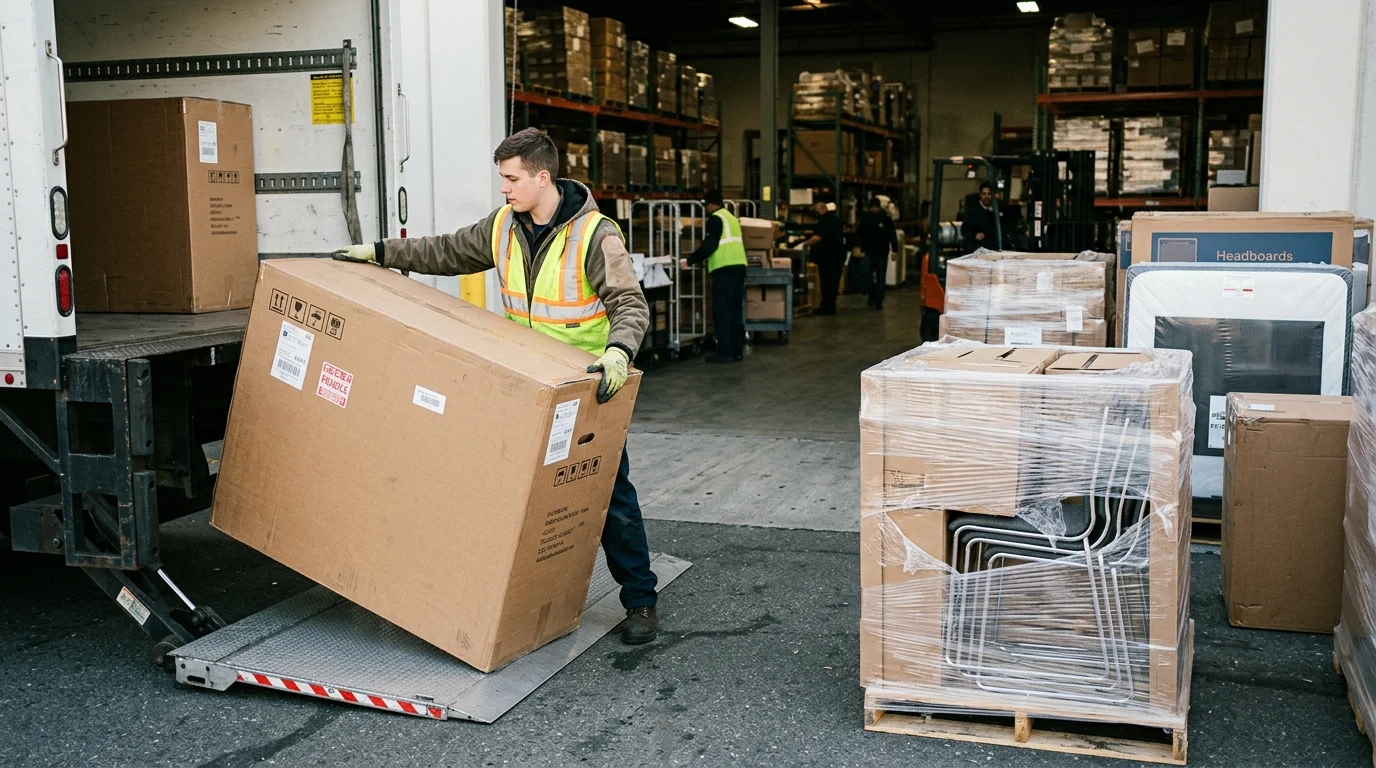
Accessibility compliance dictates specific dimensions to ensure inclusivity. Under the Americans with Disabilities Act (ADA), accessible desks and tables must provide clear floor space with a minimum height clearance of 27 inches, a width of 30 inches, and a depth of 19 inches. From a procurement standpoint, operators must factor in extended global supply chain timelines, as custom FF&E orders typically require estimated lead times of 12 to 16 weeks (and sometimes up to 20 weeks for overseas freight) from approval of shop drawings to final site delivery.
How Hotel Teams Can Choose the Right Furniture
Executing a successful FF&E strategy that resonates with Millennials and Gen Z requires a disciplined, data-driven approach. Hotel owners, operators, and design firms must collaborate to align aesthetic ambitions with financial realities and operational constraints.
Using guest research to guide furniture selection
The era of relying solely on executive intuition for design choices is obsolete.
Key Takeaways
- Plan FF&E around Millennials and Gen Z because they are projected to account for 55% to 60% of the global hotel consumer base by 2025.
- Prioritize distinctive, atmosphere-driven interiors because 65% to 75% of travelers under 40 value unique design over traditional luxury services.
- Replace rigid, institutional layouts with modular seating, communal tables, and residential-inspired pieces that support work, relaxation, and social interaction.
- Integrate accessible outlets and USB-C charging, ideally with at least 65W output, to reduce technology friction and improve guest satisfaction.
- Use generational trends as a strategic guide, but adapt furniture scale, materials, and flexibility to regional markets, income levels, and trip purpose.
Frequently Asked Questions
Why should hotels rethink furniture for Millennials and Gen Z?
By 2025, Millennials and Gen Z are projected to represent 55% to 60% of the core hotel consumer base, making their preferences central to FF&E planning, guest satisfaction, and brand positioning.
What furniture styles do younger hotel guests generally prefer?
They tend to favor residential-inspired, flexible, design-forward furniture over heavy, standardized casegoods. Modular seating, communal tables, low-profile lounge pieces, and co-working-style layouts often feel more relevant.
How important is technology integration in hotel furniture?
Very important. Younger guests expect easy access to power, including USB-C ports and outlets near beds, desks, and seating. Furniture with 65W USB-C charging can reduce tech-related guest frustration.
Do Gen Z and Millennial travelers want luxury hotel furniture?
They often define luxury differently. Instead of formal or traditional luxury, many prioritize atmosphere, authenticity, comfort, sustainability, and smart functionality that supports work, socializing, and content sharing.
How can lobby furniture appeal to younger travelers?
Lobbies should function as social, work, and relaxation hubs. Flexible seating clusters, communal worktables, movable lounge chairs, and accessible charging points help support spontaneous gathering and longer dwell time.
Post time: Sep-01-2026