
 joyce@taisenfurniture.com
 0086 15356090777


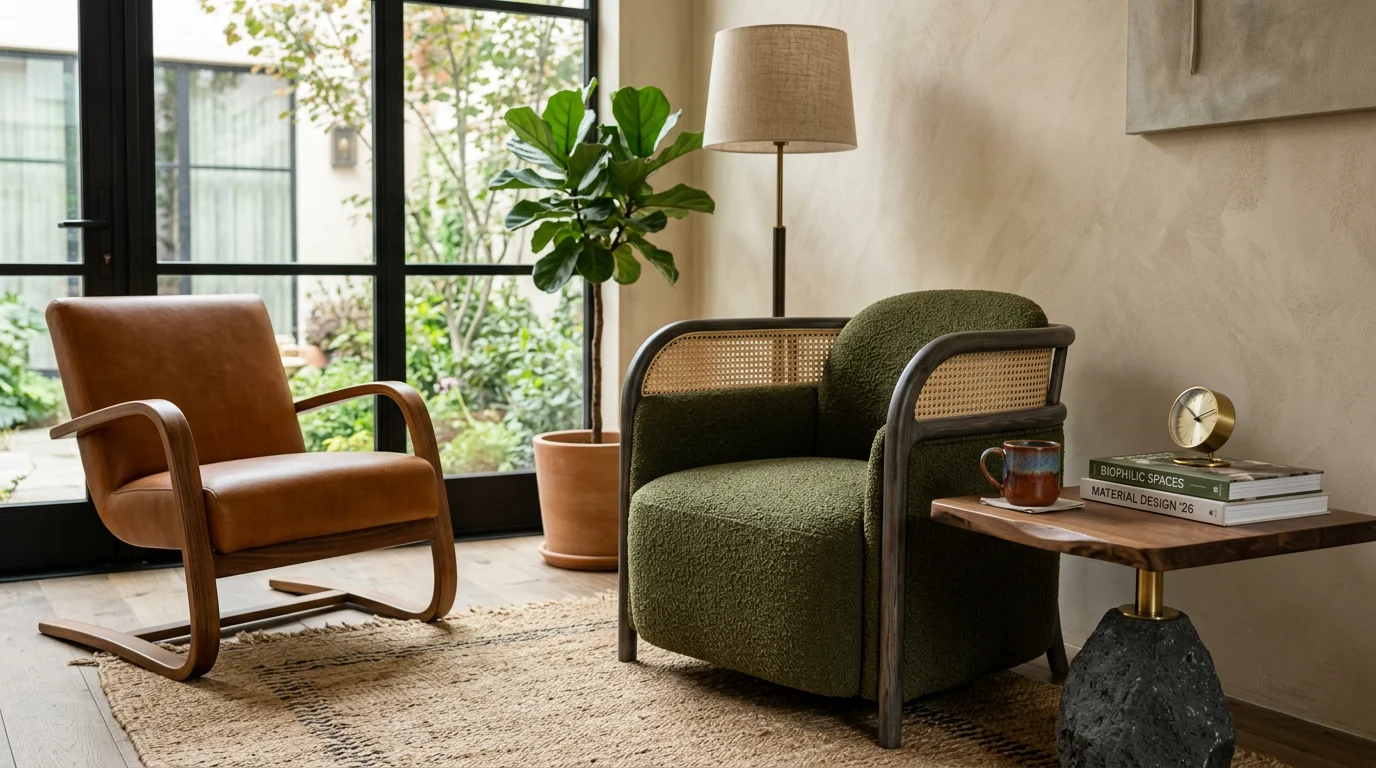
Boutique hospitality is entering a more selective design era, where guests expect spaces that feel personal, place-based, and materially refined—not simply expensive. In 2026, furniture decisions will carry more strategic weight, shaping everything from first impressions in the lobby to comfort, durability, and perceived value inside the guestroom. With many hotel furnishings working on a 5- to 7-year refresh cycle, owners and designers must specify pieces that can support brand storytelling and withstand commercial use. This article explores the shift toward unique design, localized craftsmanship, performance materials, and practical FF&E choices that help boutique properties stand apart in a crowded market.
Boutique Hotel Furniture Trends for 2026
The landscape of boutique hospitality is undergoing a significant transformation as we approach 2026. Hoteliers and interior designers are shifting away from generic luxury, favoring highly curated environments that resonate with sophisticated, experience-driven travelers. At the core of this evolution is a renewed focus on unique design and advanced materials, ensuring that every physical touchpoint—from the lobby lounge chair to the guestroom nightstand—reinforces the property’s distinct identity and responds to post-pandemic behavioral shifts.
To compete in a saturated market, independent properties must leverage their physical spaces as a primary differentiator. The integration of tailored furnishings not only elevates the visual appeal but also directly impacts operational efficiency and guest satisfaction metrics in an era where travelers expect both high design and seamless functionality.
Why Furniture Strategy Matters
A comprehensive furniture strategy is critical because FF&E (Furniture, Fixtures, and Equipment) serves as the primary physical interface between the guest and the brand. In the boutique sector, the lifecycle of guestroom furniture typically spans 5 to 7 years before requiring a full refresh. Many operators operate on the strategic assumption that targeted investments in high-quality commercial furnishings can support higher average daily rates (ADR) and improve guest retention. When aligned with service and location metrics, this approach transforms capital expenditures into tangible long-term value.
How to Define Unique Design
Defining unique design in 2026 requires moving beyond mere aesthetics to encompass concrete, proprietary elements like precision-milled joinery and exclusive geometries. It involves specifying purpose-built casegoods and seating that cannot be found in mass-market catalogs. Experts define this uniqueness through bespoke silhouettes, unexpected material combinations—such as bio-based resins paired with raw steel—and specialized detailing that aligns seamlessly with the architectural envelope and historical context of the property.
Balancing Style, Comfort, and Durability
The intersection of style, comfort, and durability forms the cornerstone of effective hospitality design. Commercial environments demand robust specifications; for instance, lounge upholstery often targets 50,000+ double rubs on the Wyzenbeek scale to withstand heavy daily traffic. Designers must achieve this commercial-grade resilience while maintaining the soft, residential feel and ergonomic support that modern boutique guests increasingly expect from their “home away from home.”
Unique Design Directions

As guest preferences evolve, the aesthetic direction of boutique properties is becoming increasingly narrative-driven. The design vocabulary of 2026 abandons the homogenization of the past decade, demanding pieces that act as distinctive focal points—such as a sculptural reception desk carved from locally sourced timber—that immediately communicate the hotel’s ethos.
Local Identity and Brand Storytelling
Grounding a property in its geographical context is paramount for authentic brand storytelling. Designers are integrating regional motifs, indigenous materials, and local craftsmanship into the furniture specifications. This localized approach ensures that a boutique hotel in Kyoto offers a fundamentally different tactile and visual experience than one in Milan. However, specifying indigenous materials requires careful logistical oversight. Beyond verifying that exotic woods comply with CITES (Convention on International Trade in Endangered Species) regulations and regional fire codes, developers must navigate practical risks. Artisan capacity bottlenecks, quality inconsistency across handmade batches, and lead-time volatility can derail projects. To mitigate these risks, successful 2026 procurement strategies often involve phased ordering, rigorous quality assurance checkpoints, and maintaining buffer stock for highly bespoke items.
Custom Forms and Signature Pieces
The demand for signature pieces has led to a surge in specialized forms, particularly sculptural seating and asymmetrical casegoods. Manufacturing these unique geometries increasingly relies on advanced digital fabrication and exacting precision, with high-end fabricators often targeting strict dimensional tolerances (some premium millwork manufacturers cite tolerances as tight as +/- 2mm). These statement pieces frequently serve as the visual anchor of lobbies and premium suites, establishing the interior design scheme.
| Design Attribute | Traditional Hospitality | 2026 Boutique Standard |
|---|---|---|
| Form & Geometry | Symmetrical, standardized | Organic, asymmetrical, sculptural |
| Narrative Focus | Brand consistency (Global) | Hyper-local storytelling |
| Manufacturing | Catalog-selected | Purpose-built, bespoke engineering |
Flexible and Modular Furniture
Urban boutique hotels increasingly face spatial constraints. Broad industry estimates suggest that average room footprints have shrunk by roughly 10% to 15% over the past development cycle in high-density markets like New York and Tokyo. This necessitates flexible and modular furniture solutions that cater to the rising “bleisure” (business and leisure) traveler. Casegoods that seamlessly transition from work desks to dining tables, and modular lounge seating that adapts to various group sizes, maximize spatial efficiency. Conversely, in resort and rural boutique settings where footprint pressures are lower, modularity is utilized less for space-saving and more to accommodate multi-generational travel and flexible indoor-outdoor living. To prevent these modular systems from feeling overly corporate, designers are specifying custom upholstery, proprietary hardware, and unique finish combinations that preserve the boutique aesthetic.
Materials and Finishes
The material palette for 2026 emphasizes a sophisticated blend of sustainability, tactile richness, and extreme longevity. Developers are scrutinizing material compositions to ensure compliance with strict environmental standards while achieving a premium, enduring aesthetic that aligns with modern guest values.
Reclaimed Wood and Engineered Veneers
Environmental consciousness has elevated the use of FSC-certified reclaimed woods and high-grade engineered veneers. To ensure structural integrity in commercial settings, casegoods are frequently specified with marine-grade plywood cores targeting a minimum thickness of 18mm. This approach prevents warping and delamination in fluctuating humidity, combining the visual warmth of natural wood with the dimensional stability required for rigorous hospitality use.
Metal, Stone, and Decorative Surfaces
Decorative surfaces are seeing a shift toward advanced composites and treated metals. PVD (Physical Vapor Deposition) coatings are standardizing on metal accents, offering superior scratch and tarnish resistance compared to traditional electroplating. Additionally, sintered stone is rapidly replacing natural marble for vanity countertops and nightstands. It is favored for its near-zero porosity—often cited by specific manufacturers at around 0.09%—which eliminates permanent staining from wine, coffee, or cosmetics and supports stringent post-pandemic hygiene standards by resisting bacterial growth. However, operators must weigh these benefits against maintenance realities: field repair and refinishing for damaged PVD coatings or chipped sintered stone are often impossible, which can negatively impact total lifecycle cost calculations if full replacements are required.
Upholstery, Foam, and Performance Fabrics
Seating comfort and longevity rely heavily on internal construction and textile innovation. Specifications for 2026 often target high-resiliency (HR) foam with a density ranging from 2.5 to 3.0 lbs/cu.ft. to prevent structural sagging over the 5-to-7-year lifecycle. This is paired with advanced performance fabrics that embed moisture barriers and stain resistance at the molecular level, ensuring that even light-colored upholstery remains viable in high-traffic zones without compromising a luxurious hand-feel.
Sourcing and Specification
Executing a highly customized furniture package requires rigorous project management and technical expertise. The sourcing and specification phase bridges the gap between conceptual design and physical installation, demanding strict adherence to timelines, execution logistics, and regulatory standards.
Concept Development Steps
Concept development transitions through several critical phases: schematic design, detailed shop drawings, and physical prototyping. The mock-up room is a crucial milestone, typically requiring 12 to 16 weeks to produce and review. This phase allows stakeholders to evaluate ergonomics, finish durability, and spatial flow in a real-world setting before authorizing mass production, thereby mitigating the risk of costly errors across hundreds of rooms.
Compliance, Fire Safety, and Air Quality
Navigating the complex web of safety and environmental regulations is non-negotiable for commercial properties, though it is important to note that these standards differ significantly by jurisdiction and are subject to ongoing revision. Upholstered items must comply with strict regional fire safety codes. While the US market often relies on CAL 117-2013 for smolder resistance, properties in the EU, UK, and Asia-Pacific must adhere to standards such as EN 1021-1 or BS 5852. Furthermore, indoor air quality standards are tightening globally; modern specifications frequently require certifications like GREENGUARD Gold (or equivalent international frameworks). These guidelines ensure that VOC emissions, including formaldehyde, remain strictly below recommended thresholds—such as the 0.0073 ppm limit required for GREENGUARD Gold certification—to protect guest health.
| Procurement Phase | Average Duration | Key Deliverable |
|---|---|---|
| Design & Specification | 8 – 12 Weeks | Approved FF&E Book & Finishes |
| Prototyping (Mock-up) | 12 – 16 Weeks | Physical Model Room Sign-off |
| Production & Shipping | 14 – 20 Weeks | Final Delivery to Site |
| Installation | 2 – 4 Weeks | Turnkey Room Handover |
Lead Times for Custom Furniture
Global supply chain dynamics continue to dictate project schedules. For bespoke hospitality furnishings, developers must typically factor in lead times of 14 to 20 weeks from the final approval of shop drawings to site delivery. Proactive sourcing strategies, including early supplier engagement, utilizing diversified manufacturing bases, and planning for buffer stock to offset transit volatility, are essential to keep complex hotel opening dates on track.
Choosing the Right Furniture Strategy
Formulating the optimal furniture strategy requires balancing the designer’s creative vision with the owner’s financial and operational parameters. A successful approach maximizes aesthetic impact while protecting the bottom line and ensuring long-term asset value through intelligent capital allocation.
Decision Criteria for Owners and Developers
Owners and developers evaluate FF&E investments through the lens of Capital Expenditures (CAPEX) versus long-term durability. Illustrative estimates for 2026 project that initial FF&E budgets for upper-upscale boutique hotels typically range from $15,000 to $35,000 per key, heavily dependent on the ratio of custom to catalog items. Decision-makers must weigh these upfront costs against replacement cycles, warranty terms, and the manufacturer’s track record for post-installation support.
When to Choose Bespoke Furniture
Determining when to deploy tailored furniture is a matter of strategic resource allocation. High-impact, revenue-generating zones—such as lobbies, signature restaurants, and penthouse suites—justify 100% unique specifications to drive brand differentiation. Conversely, standard guest rooms often utilize a hybrid approach. For example, some procurement agencies recommend a strategic mix—such as an illustrative 70/30 ratio where 70% of the pieces are custom-designed to fit the space, and 30% are high-quality modified catalog items—optimizing both budget and lead times depending on the property tier and location.
How to Prioritize Design Investments
Prioritizing design investments involves focusing expenditure on key guest touchpoints. The highest budgetary priority should be allocated to items guests directly interact with: premium mattresses, ergonomic lounge seating, and highly durable work surfaces. Secondary items, such as luggage benches or wardrobe interiors, can be value-engineered by substituting expensive natural veneers with high-pressure laminates (HPL), preserving the overall visual narrative while significantly reducing costs.
Ultimately, the successful boutique hotel of 2026 will be defined by how seamlessly it synthesizes these elements. By balancing hyper-local bespoke design with advanced, durable materials and a strategic, risk-aware procurement process, hoteliers can create immersive environments that captivate modern travelers while delivering sustainable operational success.
Key Takeaways
- Plan boutique hotel furniture around a 5- to 7-year guestroom lifecycle to align design refreshes with capital expenditure and brand updates.
- Specify custom casegoods, seating, and focal pieces to create a property identity that cannot be replicated by mass-market catalogs.
- Choose hospitality-grade materials, including upholstery rated around 50,000+ double rubs for high-traffic lounge and public-area seating.
- Use local craftsmanship, regional motifs, and indigenous materials to make the hotel experience feel specific to its destination.
- Balance bold design with maintenance, lead times, replacement access, and operational durability before approving final FF&E specifications.
Frequently Asked Questions
Q What furniture trends will define boutique hotels in 2026?
Expect more bespoke silhouettes, local craftsmanship, sculptural focal pieces, and advanced material pairings such as bio-based resins, raw metals, engineered wood, and performance textiles.
Q Why is custom furniture important for boutique hotels?
Custom furniture helps a property express a distinct identity, avoid generic luxury, improve guest experience, and create memorable spaces that can support stronger brand loyalty and higher perceived value.
Q How often should boutique hotels refresh guestroom furniture?
Guestroom furniture in boutique hotels typically has a 5- to 7-year lifecycle before a major refresh is needed, depending on occupancy, material quality, and maintenance standards.
Q What durability standards should hotel upholstery meet?
High-traffic hospitality seating often targets 50,000+ double rubs on the Wyzenbeek scale, balancing commercial-grade durability with a softer, residential feel.
Q How can hotels balance local design with operational practicality?
Use regional materials, motifs, and craftsmanship selectively while validating lead times, maintenance requirements, fire codes, and replacement availability before finalizing specifications.
Post time: Aug-19-2026