
 joyce@taisenfurniture.com
 0086 15356090777


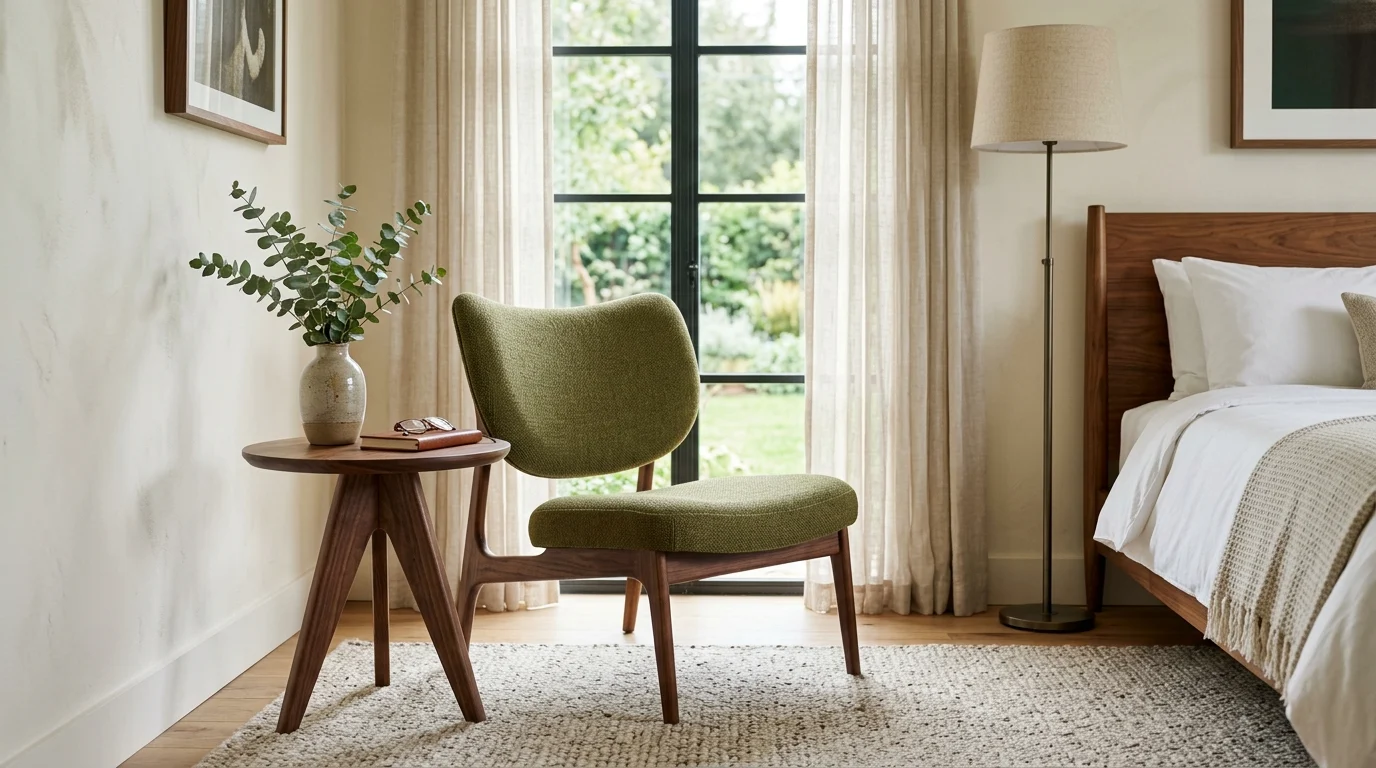
Boutique hotels win loyalty through details guests can see, touch, and remember—but those details must survive far more abuse than residential interiors. With premium properties often running above 80% occupancy, a lounge chair, headboard, or casegood may face years of constant use, daily cleaning, and shifting environmental conditions. The challenge is not choosing between character and strength; it is specifying furniture where custom design is backed by commercial engineering. This article explores how materials, joinery, foams, fabrics, fire standards, and procurement criteria help boutique properties protect their aesthetic identity while controlling maintenance costs and preserving long-term guest satisfaction.
Why Boutique Hotel Furniture Matters
The boutique hospitality sector thrives on differentiation. Unlike standardized corporate chains, boutique properties rely on highly curated environments to command premium Average Daily Rates (ADR). However, specifying bespoke interiors introduces a critical tension: bridging the gap between residential-style aesthetics and the rigorous demands of commercial environments.
With premium boutique properties often operating at occupancy rates exceeding 80%, interior assets face accelerated wear compared to typical domestic settings. Navigating this landscape requires a strategic approach to procurement, ensuring that every design choice is backed by robust commercial engineering.
Defining Boutique Hotel Furniture Beyond Style
Boutique FF&E (Furniture, Fixtures, and Equipment) must transcend visual appeal to function as highly engineered commercial assets. Hotel lounge seating, for example, must withstand constant, varied use by guests of all sizes, along with rigorous daily cleaning protocols.
This requires hidden structural reinforcement—such as heavy-duty corner blocks, robust suspension systems, and specialized moisture barriers—concealed beneath the upholstery. The goal is to deliver an authentic, localized aesthetic supported by durable, high-traffic construction.
How Unique Design Improves Guest Experience
Investing in specialized hotel furniture directly impacts the bottom line. While factors like location, service quality, and brand reputation are primary drivers of RevPAR (Revenue Per Available Room), successfully executed unique design concepts can provide a meaningful revenue lift over comparable standardized properties in the same market.
When guests encounter thoughtfully designed, immaculate, and comfortable furnishings, perceived value increases. This tactile experience drives positive online reviews, organic social media marketing, and ultimately, higher guest retention rates over the property’s lifecycle.
Key Specifications for Commercial Durability
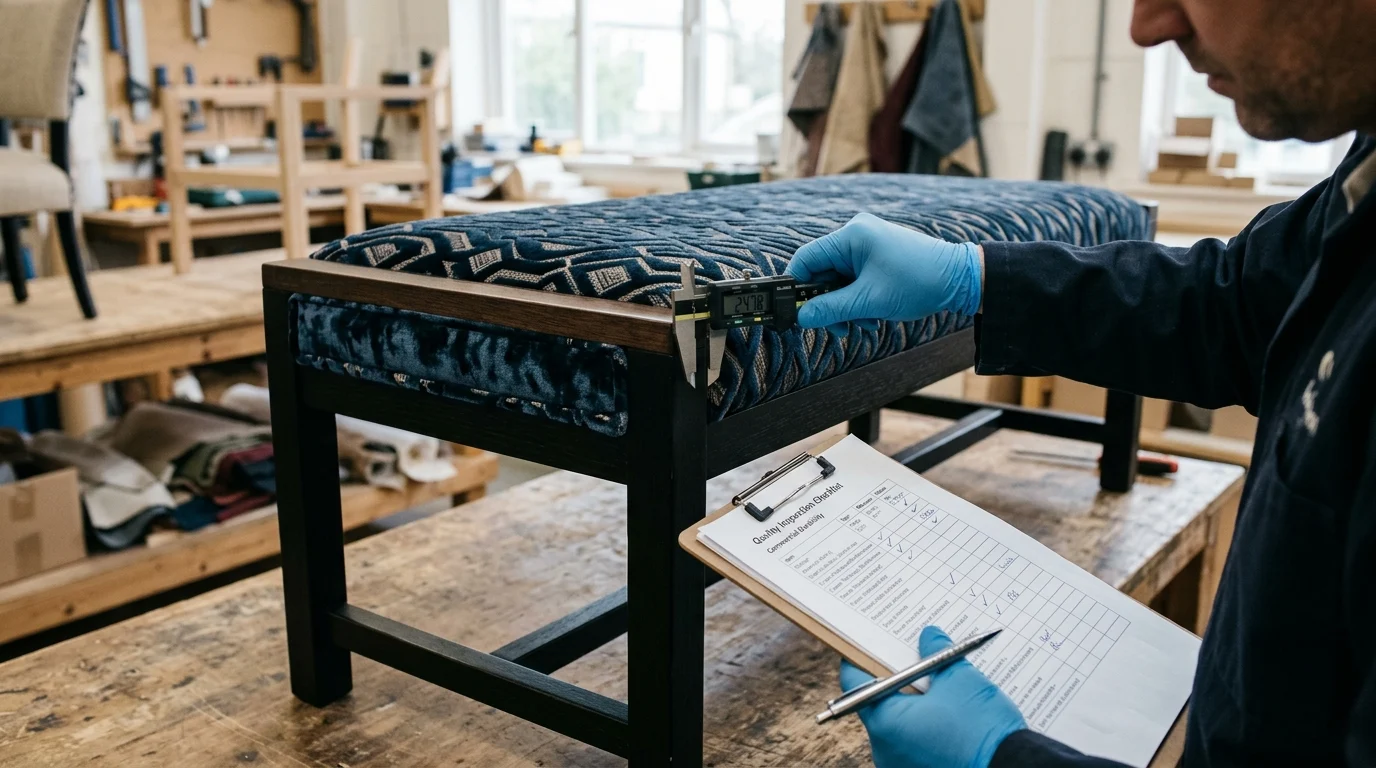
Commercial durability is not accidental; it is the result of stringent specifications and precise engineering. Procuring assets for high-traffic environments requires a fundamental understanding of structural thresholds, material science, and safety regulations.
Materials, Joinery, Finishes, Fabrics, and Foams
The foundation of robust casegoods begins with kiln-dried hardwoods maintained at a strict 8% to 10% moisture content to prevent warping in fluctuating HVAC environments. Joinery must utilize double-doweled or mortise-and-tenon construction, reinforced with structural adhesives and industrial corner blocking.
For seating, the internal components are just as critical as the frame. High-resiliency (HR) polyurethane foams must meet a minimum density of 2.5 lbs per cubic foot. This specification prevents the foam from experiencing compression set, ensuring the seating retains its shape and comfort over a demanding five-year lifecycle.
Fire Safety, Cleanability, and Abrasion Resistance
Soft goods face the dual challenge of regulatory compliance and high abrasion. Upholstery fabrics must surpass 50,000 to 100,000 Wyzenbeek double rubs to be deemed suitable for boutique hotel use, far exceeding the 15,000 double rub standard typical of residential fabrics.
Furthermore, fabrics must adhere to strict fire safety standards, such as CAL 117-2013 in the United States or BS 5852 in the United Kingdom. To maintain aesthetic integrity against spills and heavy cleaning chemicals, fabrics are frequently treated with performance barriers or woven with inherently stain-resistant fibers like Crypton.
Comparison Criteria for Custom Hotel Furniture
To navigate the complex procurement landscape, stakeholders must differentiate between residential and commercial benchmarks. The following table outlines the critical comparative criteria when evaluating custom manufacturing proposals.
Balancing Custom Design, Cost, and Quality
Developing bespoke FF&E requires balancing the interior designer’s vision with the financial realities of hotel development. Boutique properties face unique economic challenges due to their scale, requiring strategic value engineering to achieve custom aesthetics without compromising structural integrity. It is also worth noting that not all boutique properties require fully custom FF&E; many achieve distinct differentiation through local art, textiles, and soft goods while utilizing standardized hard goods to manage lifecycle costs and minimum order constraints.
From Concept Design to Mockups and Approval
The translation from conceptual rendering to physical product is validated during the model room phase. Producing and reviewing mockups typically requires a 12 to 16-week lead time, representing a critical milestone in the development timeline.
This phase allows stakeholders to test ergonomics, verify spatial clearances, and assess the interplay of materials under actual hotel lighting. Revisions made during the mockup phase are highly cost-effective, preventing systemic failures and widespread guest complaints across the entire room matrix.
Cost Drivers in Durable Boutique Hotel Furniture
Cost engineering in boutique hospitality is heavily influenced by Minimum Order Quantities (MOQs). A 20-key property faces much steeper MOQ penalties and budget constraints than a 100-key property, where economies of scale begin to take effect. This low-volume production can significantly inflate per-unit costs compared to larger orders of 300 or more keys.
Additional cost drivers include material upgrades. For instance, upgrading from a standard 0.6mm veneer to a durable 1.2mm architectural veneer increases material and application costs. However, this upfront expenditure drastically improves longevity by allowing for future sanding and refinishing.
How to Compare Local Workshops and Manufacturers
Selecting the appropriate manufacturing partner involves auditing their technological capabilities and supply chain resilience. Procurement teams must evaluate local workshops against international manufacturers by reviewing their CNC machining precision, automated finishing lines, and quality control documentation.
A reliable partner should provide detailed CAD shop drawings and transparent bill of materials (BOM) breakdowns. This transparency demonstrates exactly where the budget is allocated, allowing hoteliers to make informed decisions about where to invest heavily (e.g., bed frames and seating) and where to value engineer (e.g., secondary accent tables).
Operational and Compliance Considerations
The total cost of ownership for hospitality interiors extends far beyond the initial purchase price. Successful procurement strategies must account for daily operational realities, long-term maintenance, and strict adherence to regional building codes and brand standards.
Lifecycle Cost, Replacement Cycles, and Warranties
Boutique hotel financial models operate on predictable capital expenditure (CapEx) cycles. Soft goods, including lounge chairs and headboard upholstery, typically require replacement or refurbishment every 5 to 7 years due to aesthetic fatigue and mechanical wear.
Conversely, high-quality casegoods should endure a 10 to 12-year lifecycle. To protect this investment and ensure lifecycle alignment, procurement contracts should mandate a minimum 5-year structural warranty on all commercial seating and casegoods.
Regional Codes and Brand Standards
Custom designs must be rigorously modified to comply with jurisdictional regulations before mass production. In the United States, the Americans with Disabilities Act (ADA) dictates specific clearances, requiring accessible desks to provide a knee clearance of at least 27 inches high, 30 inches wide, and 17 inches deep, with an overall desk height between 28 and 34 inches.
Additionally, environmental standards are now baseline procurement criteria in hospitality. Compliance with regulations such as CARB Phase 2 for formaldehyde emissions in composite wood products is essential for passing inspections. Furthermore, properties increasingly seek sustainability certifications like FSC (Forest Stewardship Council) for wood sourcing, Greenguard for low chemical emissions, or alignment with LEED building standards to meet the expectations of eco-conscious consumers.
Logistics Planning to Reduce Damage and Delays
The final hurdle in FF&E procurement is the logistics and installation phase. Complex custom pieces require meticulous freight planning to optimize shipping density and minimize transit damage.
Utilizing specialized white-glove hospitality installers can reduce the delivery defect rate to below typical industry estimates. Proper sequencing is also vital; casegoods should arrive only after the site is completely climate-controlled, preventing the severe warping of expensive wood veneers due to high ambient site humidity.
How to Choose the Right Boutique Hotel Furniture
Synthesizing design ambition, commercial durability, and budget constraints requires a structured approach to procurement. Hoteliers must move beyond aesthetic preferences to evaluate furniture as functional assets that drive both operational efficiency and guest satisfaction.
Decision Matrix for Design, Durability, and Budget
Establishing a weighted evaluation matrix helps procurement teams make objective decisions when selecting FF&E. Different room assets require different prioritization of budget and durability, ensuring funds are allocated where they impact the guest experience most. The following table provides illustrative examples of how a budget might be distributed, though actual FF&E budget allocations vary significantly based on property type, market tier, and brand positioning.
Red Flags in Boutique Hotel Furniture Procurement
Identifying unqualified suppliers early in the bidding process prevents costly delays and substandard asset delivery. Red flags include a manufacturer’s inability to provide commercial testing certificates, such as BIFMA standards for seating.
Further warning signs include a refusal to supply comprehensive CAD shop drawings before production, or promising unrealistic lead times. Anything under an 8-week lead time for fully custom designs should be heavily scrutinized, as legitimate commercial production inherently requires adequate time for material sourcing, curing, and quality assurance.
Turning Brand Narrative into a Procurement Strategy
Ultimately, procuring the right assets transforms a hotel’s conceptual brand narrative into a tangible, profitable reality. By insisting on commercial-grade specifications, hoteliers ensure that the property maintains its opening-day luster for years.
Strategic investment in durable, uniquely designed interiors not only protects the CapEx budget from premature replacement cycles but also secures the property’s competitive positioning in an increasingly crowded boutique market.
Key Takeaways
- Specify kiln-dried hardwood with 8% to 10% moisture content to reduce warping in hotel HVAC conditions.
- Use double-doweled or mortise-and-tenon joinery with structural adhesives and corner blocking for high-traffic casegoods.
- Choose high-resiliency polyurethane foam of at least 2.5 lbs per cubic foot to preserve seating shape and comfort.
- Select upholstery rated at 50,000 to 100,000 Wyzenbeek double rubs for boutique hotel durability.
- Confirm fire safety compliance, such as CAL 117-2013 or BS 5852, before approving fabrics and upholstered pieces.
- Treat furniture as a revenue-supporting asset by balancing distinctive design with cleanability, maintenance access, and lifecycle durability.
Frequently Asked Questions
What makes boutique hotel furniture different from residential furniture?
Boutique hotel furniture must deliver residential-style character while meeting commercial demands, including reinforced frames, durable joinery, moisture control, fire compliance, and resistance to daily cleaning and high guest turnover.
How durable should upholstery be for a boutique hotel?
Upholstery should typically exceed 50,000 to 100,000 Wyzenbeek double rubs, far above common residential standards, and should include stain resistance, cleanability, and fire safety compliance.
Which frame and joinery details matter most for hotel casegoods?
Look for kiln-dried hardwood, 8% to 10% moisture content, double-doweled or mortise-and-tenon joinery, structural adhesives, and corner blocking to reduce warping, loosening, and early replacement.
Why is foam density important in hotel seating?
High-resiliency polyurethane foam with at least 2.5 lbs per cubic foot density helps seating maintain comfort and shape under frequent use, reducing compression set over a typical multi-year lifecycle.
Can custom hotel furniture improve revenue performance?
Yes. Distinctive, comfortable, and well-maintained furniture can strengthen perceived value, improve reviews, encourage social sharing, and support higher ADR or guest retention when aligned with service and location.
Post time: Sep-02-2026