
 joyce@taisenfurniture.com
 0086 15356090777



Copper aluminum fin heat exchangers stand out for their ability to maximize cooling efficiency. These systems utilize the superior thermal conductivity of copper combined with the lightweight strength of aluminum, which is a key reason why copper tubes are used with aluminum fins in heat exchangers. This unique combination enhances thermal performance and durability, making them ideal for various high-demand applications. The bimetallic heat exchanger advantages include improved HVAC system energy efficiency, as well as the ability to maintain optimal temperatures in industries such as HVAC systems, industrial processes, and healthcare facilities. Additionally, the optimal fin pitch for heat exchangers plays a crucial role in enhancing their overall effectiveness, ensuring that these systems continue to meet the rigorous demands of modern applications.
Key Takeaways
- Copper-aluminum fin heat exchangers maximize cooling efficiency by combining copper’s superior thermal conductivity with aluminum’s lightweight strength.
- These heat exchangers lead to significant energy savings, allowing systems to operate at lower temperatures and reducing utility costs.
- Maintenance costs are lower due to the durability and corrosion resistance of copper, which extends the lifespan of HVAC systems.
- Applications span across HVAC, automotive, and industrial processes, showcasing the versatility and effectiveness of copper-aluminum technology.
- Future trends include smart technology integration, enhancing energy efficiency and enabling predictive maintenance for improved performance.
Unique Properties of Copper and Aluminum
Thermal Conductivity
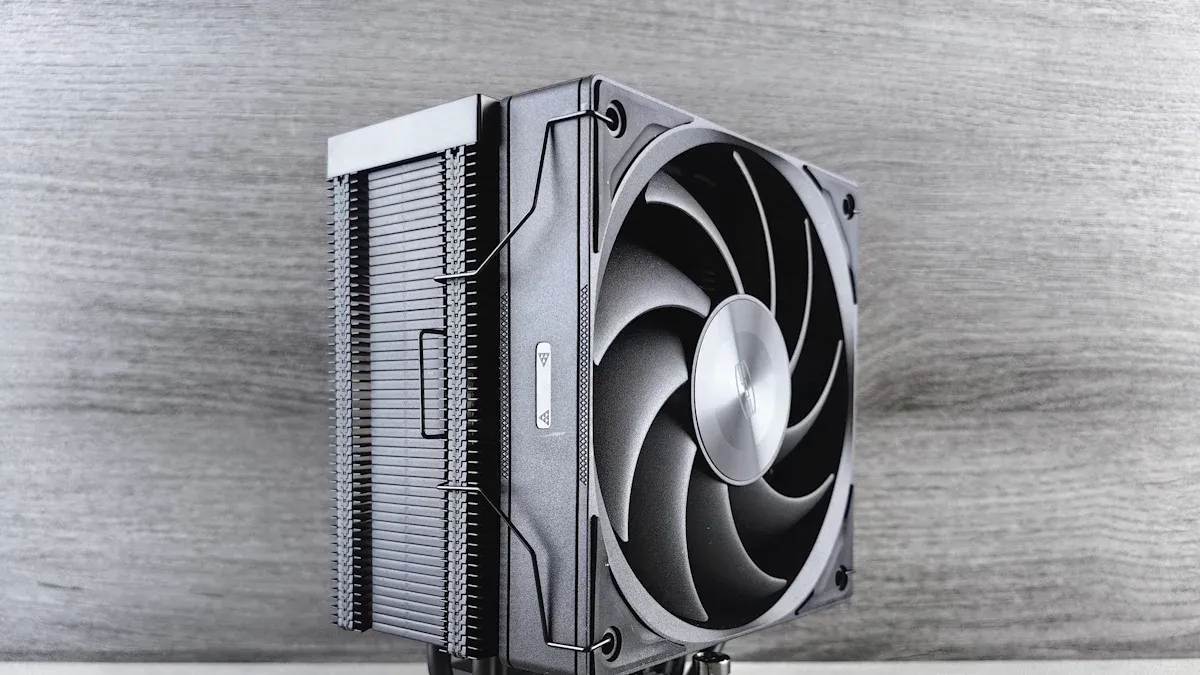
Copper and aluminum exhibit exceptional thermal conductivity, making them ideal for heat exchangers. Copper boasts a thermal conductivity of approximately 390 W/m·K, significantly higher than that of stainless steel and titanium. This superior conductivity allows for efficient heat transfer, which is crucial in high-performance cooling systems. Although aluminum’s thermal conductivity is lower than copper’s, it still contributes effectively to the overall performance of copper-aluminum fin heat exchangers.
Corrosion Resistance
Corrosion resistance is another vital property of copper and aluminum. Both materials perform well in various cooling system environments. The following table summarizes their corrosion resistance ratings:
| Material | Corrosion Resistance Rating | Notes |
|---|---|---|
| Aluminum | Excellent | Forms protective Al₂O₃ layer |
| Copper | Good | Varies with environment; forms patina naturally |
- Aluminum: Excellent corrosion resistance due to the formation of a protective Al₂O₃ layer.
- Copper: Good corrosion resistance, although it varies with environmental conditions and develops a natural patina over time.
Weight and Strength
The weight and strength of copper and aluminum significantly impact the performance and installation of heat exchangers. The following table illustrates the differences between copper and aluminum fin heat exchangers:
| Aspect | Copper Fin Heat Exchanger | Aluminum Fin Heat Exchanger |
|---|---|---|
| Weight | Heavier, leading to higher shipping fees | Lighter, resulting in lower shipping costs |
| Installation Requirements | May need reinforced support structures | Generally easier to install due to lighter weight |
| Handling Challenges | Risk of stress corrosion cracking during installation | Less risk of damage during handling |
The lightweight nature of aluminum allows for easier handling and installation, reducing overall costs and improving efficiency in various applications.
Advantages of Copper-Aluminum Fin Heat Exchangers
Enhanced Heat Transfer
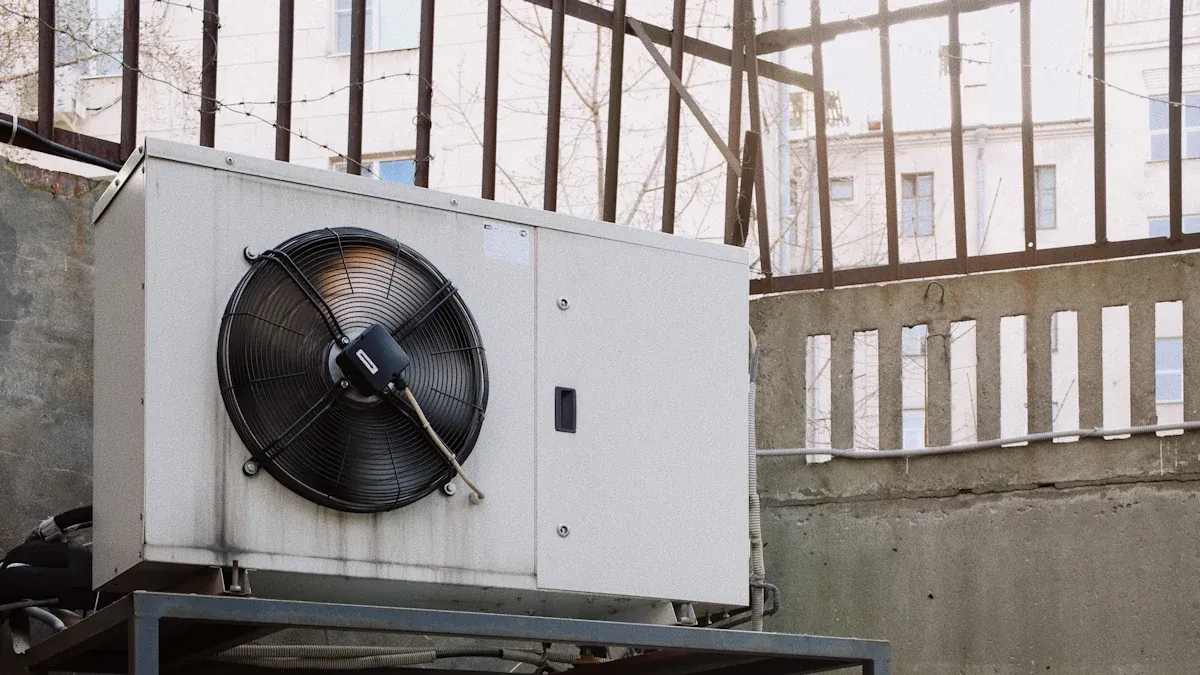
Copper-aluminum fin heat exchangers excel in heat transfer efficiency compared to single-metal designs. The combination of copper’s superior thermal conductivity and aluminum’s lightweight properties creates a system that maximizes heat exchange. A study demonstrated that using copper woven fins resulted in a temperature reduction of 4°C when compared to traditional aluminum flat plates. This significant improvement highlights the effectiveness of copper-aluminum configurations in maintaining optimal thermal performance.
| Material Type | Initial Temperature | Final Temperature | Temperature Reduction |
|---|---|---|---|
| Copper Woven Fin | 85°C | 81°C | 4°C |
| Aluminum Flat Plate | N/A | N/A | N/A |
Additionally, research indicates that copper finned-flat tubes outperform conventional aluminum radiators due to their greater heat transfer area. The air convective heat transfer coefficient is notably higher in copper systems, which leads to improved cooling performance. These findings underscore the advantages of copper-aluminum fin heat exchangers in various applications.
Energy Savings
Energy efficiency is a critical consideration in modern cooling systems. Copper-aluminum fin heat exchangers contribute to significant energy savings. Their enhanced heat transfer capabilities allow systems to operate at lower temperatures, reducing the energy required for cooling. This efficiency translates into lower utility bills and a reduced carbon footprint.
By optimizing the cooling process, these heat exchangers minimize energy consumption. As a result, businesses can achieve substantial cost savings over time. The combination of reduced energy use and improved performance makes copper-aluminum fin heat exchangers an attractive choice for industries aiming to enhance their sustainability efforts.
Reduced Maintenance Costs
Maintenance costs are a crucial factor in the overall efficiency of cooling systems. Copper-aluminum fin heat exchangers offer several advantages that lead to reduced maintenance expenses. For instance, small-diameter copper tubes are known for their durability, often lasting many years without needing replacement. This longevity minimizes the frequency of repairs and replacements.
Moreover, copper facilitates easy inspection, testing, and repair of coils, which further reduces maintenance costs. Service intervals can be lengthened, allowing equipment to operate for extended periods without interruption. The corrosion resistance of copper also enhances the longevity of HVAC systems, as it withstands weathering and microbial growth effectively.
- Copper is resistant to corrosion, weathering, and microbial growth, enhancing the longevity of HVAC systems.
- It can carry refrigerant safely for years without damage, which is crucial for maintaining performance.
- The antimicrobial properties of copper help mitigate fungi growth in hard-to-access areas like ducts and coils.
These factors collectively contribute to lower maintenance costs, making copper-aluminum fin heat exchangers a smart investment for businesses seeking reliable and efficient cooling solutions.
Applications of Copper-Aluminum Fin Heat Exchangers
HVAC Systems
Copper-aluminum fin heat exchangers play a crucial role in HVAC systems. Their unique properties enhance air conditioning and heating efficiency. Studies show that these heat exchangers can achieve a 6.81 °C reduction in air temperature when utilizing a system with 24 fins and a phase change material (PCM) containing 1% CuO. This significant temperature drop demonstrates their effectiveness in maintaining comfortable indoor environments.
Moreover, modified HVAC systems using copper-aluminum technology can reduce fresh air load by 28.86% and energy consumption by 12.35%. These improvements not only enhance comfort but also contribute to lower operational costs. The combination of copper’s thermal conductivity and aluminum’s lightweight nature allows for compact designs that fit seamlessly into modern HVAC applications.
Automotive Cooling
In the automotive industry, copper-aluminum fin heat exchangers are gaining traction due to their superior heat transfer efficiency and lightweight characteristics. The automotive heat exchanger market is expanding, driven by the increasing need for effective cooling solutions in vehicles. The integration of advanced materials, such as brazed copper heat exchangers, further enhances performance.
The benefits of using copper-aluminum fin heat exchangers in automotive cooling systems include:
- Heat dissipation efficiency: The combination of copper tubes and aluminum fins enhances heat dissipation, allowing for quick heat transfer and effective cooling of the engine.
- Lightweight design: Aluminum fins contribute to a lighter heat exchanger, improving overall vehicle weight and enhancing fuel economy.
- Corrosion resistance: Coatings or combinations with other materials improve the corrosion resistance of aluminum fins, ensuring long-term performance.
- Environmental protection: Aluminum is recyclable, aligning with modern environmental standards in automotive manufacturing.
These advantages make copper-aluminum fin heat exchangers a preferred choice for automotive cooling applications.
Industrial Processes
Copper-aluminum fin heat exchangers find extensive use in various industrial processes. They are essential in sectors that require efficient heat exchange for optimal performance. Common applications include:
- HVAC Systems: Used for heating and cooling in residential and commercial buildings.
- Refrigeration: Essential in refrigerators and freezers for effective temperature regulation.
- Manufacturing: Employed in chemical processes where heat exchange is critical.
The versatility of copper-aluminum fin heat exchangers allows them to adapt to different industrial needs, ensuring reliable performance across various applications.
Future Trends in Heat Exchanger Technology
Innovations in Material Science
Recent advancements in material science significantly enhance the performance of copper-aluminum fin heat exchangers. Manufacturers are now utilizing advanced copper alloys that improve thermal conductivity and mechanical strength. These innovations lead to more efficient heat exchangers. Additionally, novel coating technologies protect copper fins against corrosion and fouling, ensuring long-lasting performance. Additive manufacturing allows for the creation of complex geometries in copper fins, which further optimizes heat transfer efficiency.
Sustainability Considerations
Sustainability remains a critical focus in the design of cooling systems. Copper-aluminum fin heat exchangers contribute to this goal by lowering energy consumption in refrigeration systems. This reduction directly decreases greenhouse gas emissions. The combination of copper tubing and aluminum fins enhances heat transfer efficiency, which helps minimize the carbon footprint. Furthermore, aluminum’s recyclability supports sustainability efforts, as recycling it requires only 5% of the energy needed for new production.
- The assembly of the fins contributes to 72% of the total environmental impact during manufacturing.
- Copper accounts for 85% of the Global Warming Potential (GWP) in these systems.
Integration with Smart Technologies
The integration of smart technologies into copper-aluminum fin heat exchangers is transforming their functionality. Smart heating systems can adjust based on outside temperatures and indoor usage, optimizing energy recovery. Variable-speed fans and intelligent bypass controls further enhance efficiency.
| Aspect | Description |
|---|---|
| Energy Efficiency | Advanced technologies will enhance energy savings and reduce maintenance costs. |
| Predictive Maintenance | Smart integration will enable real-time monitoring and data-driven optimization. |
| Overall Performance | Compact designs and smart sensors will improve installation, maintenance, and customization. |
The focus on digitalization offers opportunities for remote monitoring and performance optimization, driving productivity and reducing downtime in various industries.
Copper-aluminum fin heat exchangers play a pivotal role in advancing cooling system performance. Their unique properties lead to significant efficiency gains and cost savings. For instance, these heat exchangers enhance energy efficiency, which is crucial for innovation in HVAC and industrial sectors. They support higher rack power densities and adapt to evolving thermal loads in data centers.
Emphasizing their role can drive innovation across various industries. As operators increasingly adopt these systems, they contribute to sustainability by reducing carbon footprints. The projected growth in the Plate Fin Heat Exchanger market highlights the ongoing demand for these advanced solutions.
FAQ
What are copper-aluminum fin heat exchangers?
Copper-aluminum fin heat exchangers combine copper tubes with aluminum fins. This design maximizes thermal conductivity and enhances cooling efficiency, making them ideal for various applications, including HVAC systems and automotive cooling.
How do these heat exchangers improve energy efficiency?
These heat exchangers enhance energy efficiency by optimizing heat transfer. Their superior thermal conductivity allows systems to operate at lower temperatures, reducing energy consumption and lowering utility costs.
What industries benefit from copper-aluminum fin heat exchangers?
Industries such as HVAC, automotive, and manufacturing benefit significantly from copper-aluminum fin heat exchangers. Their versatility and efficiency make them suitable for applications requiring effective heat exchange.
Are copper-aluminum fin heat exchangers environmentally friendly?
Yes, they are environmentally friendly. Their energy efficiency reduces greenhouse gas emissions. Additionally, aluminum is recyclable, supporting sustainability efforts in manufacturing and cooling systems.
How do maintenance costs compare to traditional heat exchangers?
Copper-aluminum fin heat exchangers typically incur lower maintenance costs. Their durability and corrosion resistance lead to longer service life, reducing the frequency of repairs and replacements.
Post time: Mar-02-2026