
 joyce@taisenfurniture.com
 0086 15356090777


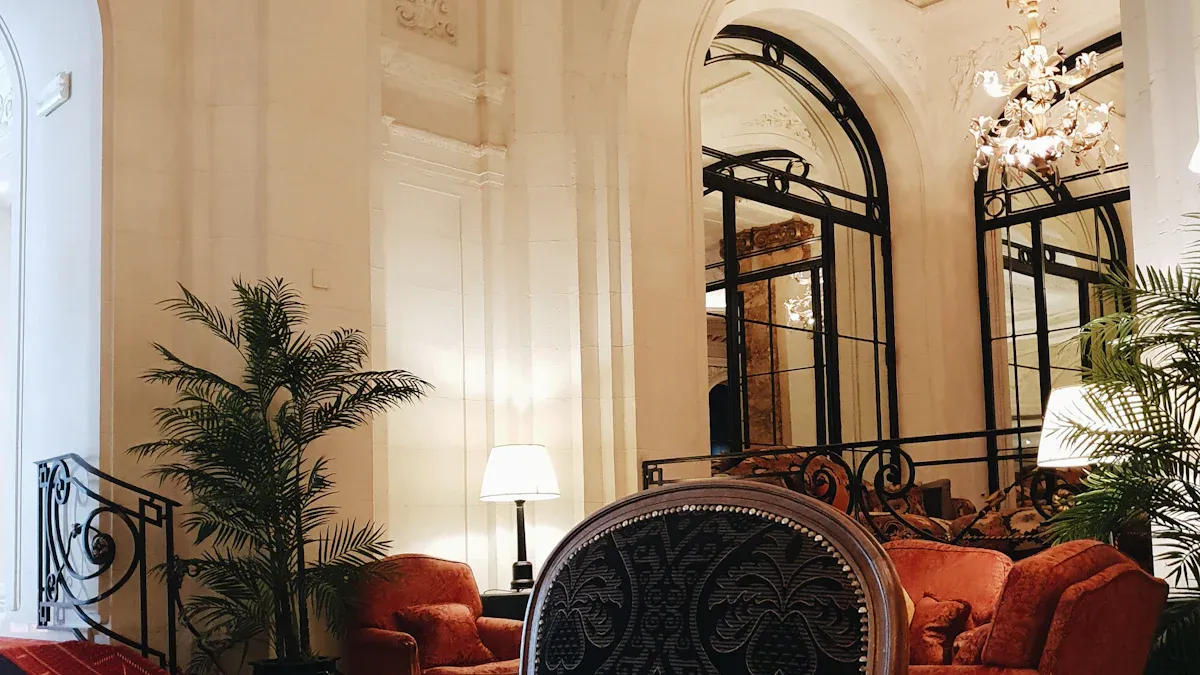
The luxury hotel furniture market, valued at USD 186,432.42 million in 2024, demands premium quality, exceptional durability, and true luxury. This significant market anticipates a compound annual growth rate of 5.7% by 2033. Identifying a reliable hotel furniture supplier ensures a worthwhile investment in these essential furnishings.
Key Takeaways
- Define your hotel’s needs before choosing a furniture supplier. Consider style, how long the furniture will last, and your budget.
- Evaluate a supplier’s ability to make good furniture. Look at their craftsmanship, materials, and if they can make custom designs. Also, check their commitment to using eco-friendly materials.
- Choose a supplier with good communication and support. Make sure they offer a strong warranty and help with installation. Their reputation and experience are also important.
Defining Your Project Needs for a Hotel Furniture Supplier
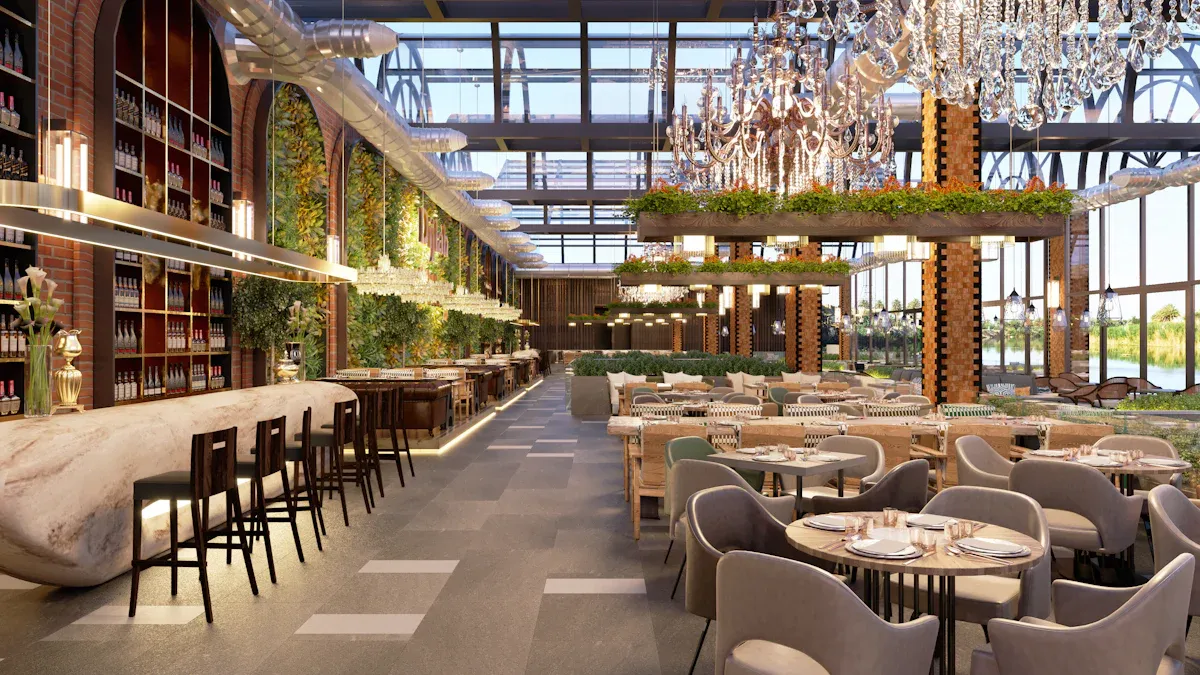
Before engaging with any hotel furniture supplier, a hotel must clearly define its project needs. This foundational step ensures the selected furnishings align perfectly with the hotel’s vision, operational demands, and financial parameters. A thorough understanding of these requirements guides the selection process and ultimately contributes to a successful outcome.
Understanding Style and Aesthetic Requirements
Luxury hotels aim to create immersive and memorable guest experiences. The furniture plays a crucial role in establishing the desired ambiance and reflecting the brand’s identity. Modern luxury hotel design often integrates hospitality into mixed-use contexts, making hotels active participants in urban life. Designers create well-activated venues that enhance guest satisfaction through flexible programming and access to regional experiences. They also prioritize intimate, restorative spaces like secluded gardens and quiet nooks for guests seeking to unplug. The human-tech balance is also important, integrating technology for convenience while preserving authentic human interaction.
Aesthetic trends in luxury hotel interior design emphasize several key elements. Biophilic design integrates living walls, natural materials, and abundant greenery to improve air quality and create tranquility. Sustainable luxury embraces eco-friendly materials such as reclaimed wood and recycled glass, along with energy-efficient systems, without compromising elegance. Technology-integrated spaces feature smart rooms with automated lighting, voice-activated controls, and wireless charging seamlessly integrated into custom furniture. Multifunctional communal areas, like lobbies, are reimagined as flexible environments with modular furniture and thoughtful zoning for work, socialization, and relaxation.
“True wellness in design is when guests feel better without ever needing to name why.” – Liu Haoyang.
Cultural storytelling through design involves partnering with local artisans and showcasing regional art to create a sense of place. Quiet luxury, characterized by natural textures, muted palettes, and timeless furnishings, focuses on quality over quantity, creating intimate and personal spaces. The architecture of rest prioritizes restorative sleep and mental clarity, moving beyond aesthetics to focus on deep rest as the ultimate luxury. Color palettes often feature green, paired with burnished metals or rich textiles, alongside teals, mineral greens, and warm earths. Adaptive, multifunctional spaces, such as lobbies that function as co-working lounges, utilize modular seating and dynamic lighting. There is also a renewed embrace of vintage and reimagined pieces, incorporating antiques and reupholstered furniture to create layered interiors that feel collected and reduce waste.
Functionality and Durability Expectations
Luxury hotel furniture must not only look exquisite but also perform under demanding conditions. Durability is paramount, especially in high-traffic areas like lobbies, corridors, and guest rooms. Furniture must withstand constant use to prevent rapid wear and tear, reduce maintenance costs, and maintain a positive guest perception. Commercial-grade furniture is engineered for heavy use, ensuring it endures constant guest interaction without showing significant wear. This reduces replacement frequency and saves costs.
Material quality is essential for longevity. This includes premium hardwoods like walnut, oak, and maple, commercial-grade fabrics, high-pressure laminates, and robust metal components. Protective features, such as metal accents on furniture corners and scratch-resistant surfaces like quartz, enhance resilience. Strong finishes, such as high-pressure laminate for horizontal surfaces and baked-on or powder coating for metal furnishings, further improve durability and resistance to wear.
Guest comfort is another critical functional requirement. Upholstery furniture must provide ergonomic support and durability to maintain the guest experience over time. Commercial-grade mattresses are crucial, designed to withstand heavy usage without compromising comfort, supported by appropriate bases to prevent sagging. Furniture should offer a pleasant seating experience with proper cushioning and breathable fabrics.
Safety standards are non-negotiable. Materials, especially in upholstered furniture, must meet stringent flammability and ignition resistance tests to minimize fire hazards. ADA regulations ensure accessibility for guests with mobility devices, requiring specific clearances for furniture and room layouts. For wood products, Architectural Woodworking Standards (AWI) recommend Custom Grade for high-quality hotel furniture, with Premium Grade for high-use items, ensuring superior materials and production. A 5-year industry standard warranty is crucial, reflecting manufacturer confidence in durability and protecting the investment.
Budget and Investment Considerations
Defining the budget for hotel furniture is a critical step. For new luxury hotel constructions, FF&E (Furniture, Fixtures, and Equipment) typically accounts for 7-10% of the total construction costs. Within the FF&E budget, furniture costs generally make up 30-40%.
| Hotel Type | Average Cost / Room | FF&E % of Total Construction Cost | Estimated Furniture Cost / Room |
|---|---|---|---|
| Luxury | $550,000 | 7% | $30,000 – $40,000 |
Investing in high-quality furniture offers a significant return on investment (ROI) for luxury hotels. This multifaceted return encompasses revenue growth, cost reduction, operational efficiency, and enhanced brand perception. Satisfied guests are more likely to spend on room service, spa treatments, and extend stays, increasing ancillary revenue. Durable furniture stabilizes financial planning by reducing maintenance and replacement costs over many years.
Well-designed furniture optimizes room layout, storage, and flow, making rooms feel larger and more comfortable, thus increasing revenue per available room. Premium furniture helps hotels maintain visual relevance, operational reliability, and experiential quality, positioning them for sustained market leadership. Commercial-grade furniture, with reinforced frames and resilient finishes, significantly reduces the need for frequent repairs and replacements, leading to lower total ownership costs.
High-quality furniture reinforces brand identity and consistency, allowing hotels to command premium rates and build guest trust. Easy-to-clean, stain-resistant, and durable furniture reduces housekeeping time, maintenance efforts, and room turnaround times, improving profit margins. Positive guest reviews, driven by comfortable and well-designed rooms, improve online reputation, search rankings, and direct bookings. Premium furniture manufactured to commercial safety standards minimizes risks of injury claims and legal action, protecting operational continuity and brand image. A reliable hotel furniture supplier understands these long-term benefits. High-quality furniture also contributes to sustainability goals by extending product life cycles and using responsibly sourced materials, enhancing brand reputation.
Evaluating a Luxury Hotel Furniture Supplier’s Capabilities
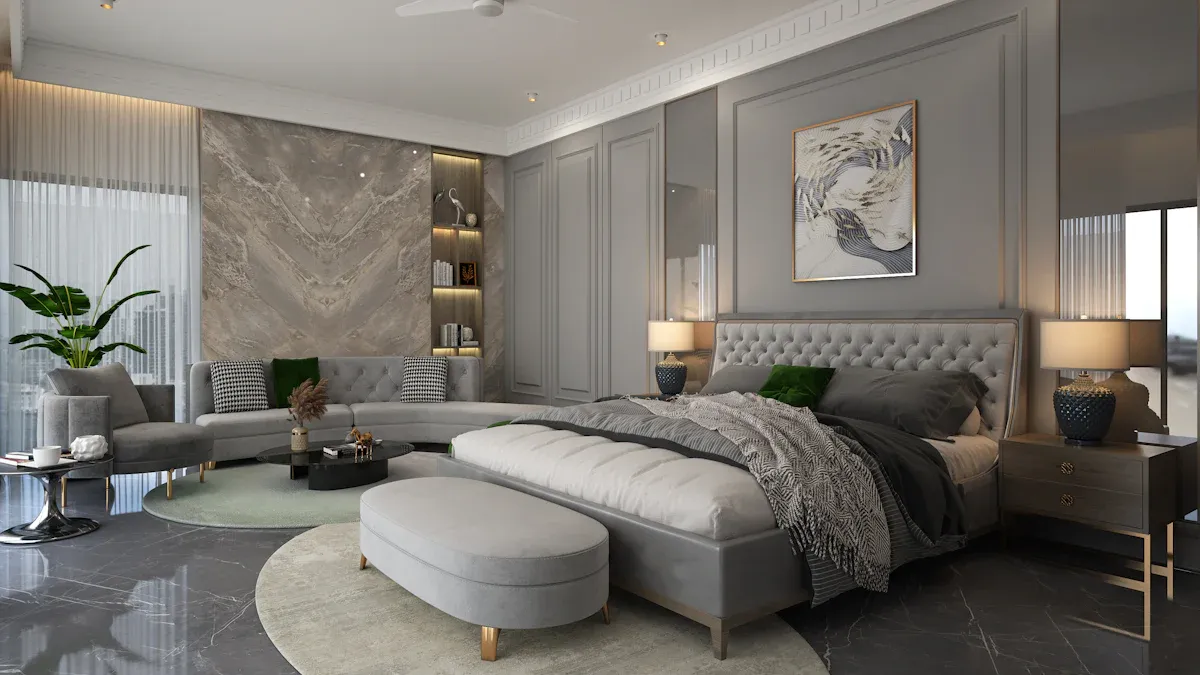
Hotels must thoroughly evaluate a luxury hotel furniture supplier’s capabilities. This evaluation ensures the chosen partner can deliver on the hotel’s specific requirements for quality, design, and operational excellence. A comprehensive assessment covers craftsmanship, materials, customization, sustainability, and manufacturing origin.
Craftsmanship, Materials, and Quality Certifications
Exceptional craftsmanship defines luxury hotel furniture. It involves precision in construction, ensuring furniture remains structurally sound for many years. Meticulous attention to detail guarantees each piece seamlessly fits the hotel’s interior and enhances the guest experience. Suppliers often apply scratch-resistant and stain-proof coatings to protect furniture from damage, extending its lifespan and maintaining its pristine appearance.
Premium materials form the foundation of luxury furniture. These materials create a sophisticated aesthetic, enhance durability, and contribute to sustainability.
- Hardwood: Valued for its strength and timeless appearance. Mahogany offers deep, rich tones and exceptional durability. Oak is highly resistant to wear and tear, making it ideal for high-traffic areas. Walnut provides a dark, elegant finish for premium designs. Teak is popular for both indoor and outdoor use due to its natural water resistance.
- Metal Finishes: Enhance modern aesthetics and structural stability. Brass adds vintage charm and high-end sophistication. Stainless steel provides a sleek, industrial appeal with excellent corrosion resistance. Aluminum offers a lightweight yet sturdy option.
- Upholstery: Enhances guest relaxation and complements decor. Velvet feels luxurious and soft, perfect for an upscale look. Leather offers durability and sophistication, common in high-end lounges. Linen is a breathable and stylish choice, often seen in eco-conscious designs.
- Marble: A staple for high-end hotel furniture due to its timeless elegance and durability. Hotels use marble for lobby tables, reception desks, bathroom countertops, and dining tables.
- Eco-Friendly Materials: Support sustainability and reduce environmental impact. Reclaimed wood gives furniture a second life, reducing waste. Recycled metals support eco-friendly manufacturing processes. Bamboo, fast-growing and highly sustainable, is ideal for contemporary designs.
- Fire-Resistant Materials: Essential for safety and compliance. Treated hardwood uses special coatings to enhance fire resistance. Flame-retardant upholstery protects against fire risks while providing comfort. Tempered glass adds sophistication while ensuring safety.
Quality certifications serve as benchmarks for luxury hotel furniture suppliers. The Architectural Woodwork Institute (AWI) Logo signifies a manufacturer’s capability to produce millwork adhering to AWI’s extensive industry standards. FSC Certification indicates a commitment to sustainability and responsible sourcing of materials in hotel furniture manufacturing.
Customization and Design Flexibility
Leading luxury hotel furniture suppliers offer extensive customization capabilities. This allows for unique brand expression that off-the-shelf items cannot provide. Customization options include:
- Material Selection: Suppliers offer solid wood (oak, mahogany), engineered wood, metal (stainless steel, brass), and various upholstery fabrics. They consider durability, stain resistance, fire safety, and maintenance.
- Finish Requirements: Hotels select finishes that complement the hotel’s ambiance while maintaining longevity and ease of maintenance.
- Detailed Project Specifications: This includes comprehensive design drawings, specific material requirements, precise dimensions tailored to fit seamlessly, and finish selections.
- Custom Upholstery: Hotels can choose tailored fabric and color choices, bold patterns or subtle textures, hidden zippers, and fire-retardant materials.
- Technology-Integrated Furniture: This includes built-in USB ports and smart lighting systems.
- Adaptable, Multi-Functional Pieces: Convertible furniture is ideal for smaller urban spaces.
- Regional Influences: Incorporating local artistry and materials, such as traditional Japanese joinery or sun-drenched terracotta hues, adds a unique touch.
- Process-driven customization: This involves understanding client needs, design and prototyping (blueprints, digital mockups), precision craftsmanship (CNC machining, laser cutters), and final installation.
Manufacturers also provide significant design flexibility. They can adjust furniture dimensions to fit the specific space constraints of modular hotel units, ensuring a precise fit and avoiding design setbacks. Furniture can be designed to serve multiple purposes, such as a bedside stand that also holds luggage, contains data ports, offers a slide-out desk, and includes a secure safe. This optimizes space in smaller areas. Material options include laminate and wood veneer finishes. Manufacturers provide competitive pricing and guidance on which material best suits long-term needs. Laminates offer durability and diverse aesthetics, while wood veneers provide a ‘homey’ and upscale feel. This flexibility ensures all areas of a hotel, from lobby furniture to outdoor pieces, are both functional and stylish. Suppliers can tailor-make items to create distinctive environments that resonate with guests. For example, GCON Group offers an extensive range of high-quality custom hotel furniture designed to cater to various hotel styles and budgets. Fulilai Hotel Furniture Co., Ltd. provides fine, customizable furniture that fuses traditional Chinese expertise with innovative production methods. Kimball Hospitality offers custom design services tailored to each project’s needs, focusing on sustainability and eco-friendly methods.
Sustainability and Ethical Sourcing Practices
Luxury hotels increasingly prioritize sustainability and ethical sourcing. A responsible hotel furniture supplier uses various sustainable materials. For instance, VANK_LONG lounge armchairs and sofas incorporate textile industry waste and limited ‘End of Series’ natural leather. Their cushions are filled with organic latex from rubber trees, and components are designed for easy separation and recycling. VANK_PANEL acoustic wall panels use renewable, recycled, and bio-based materials. The VANK_CUBE system, for desks and tables, is made from biomaterials like flax and hemp. VANK_LORIA chairs are constructed from 50% recycled industrial plastic waste and 50% consumer waste, making them UV-resistant and suitable for outdoor use. VANK_RING sofas and armchairs are designed for recycling, with seats filled with shredded polyurethane foam from post-production industrial waste. Finally, VANK_PEEL lounge chairs and armchairs feature ‘reduce’ plywood, an innovative technology that maximizes the use of natural wood scraps and is stained with ecological water-based varnish.
Other commonly used sustainable materials include:
- Reclaimed Materials: These involve upcycling items like unfinished wood, metals (aluminum, steel, copper), glass, ceramics, and stone. This gives them a second life and reduces landfill waste.
- Bamboo: A fast-growing, self-regenerating, and strong grass. Manufacturers process bamboo into wood-like boards, panels, and fabrics. It boasts a tensile strength greater than steel, making it durable for hospitality furniture.
- Sustainable Wood: Sourced from managed forests certified by organizations like the Forest Stewardship Council (FSC). Sustainable wood ensures harvesting does not harm ecosystems. Common types include pine, oak, maple, and white ash, often used with veneers to minimize environmental impact.
- Cork: A renewable, lightweight, soft, and durable bark that is a good insulator. Manufacturers integrate it into headboards, end tables, nightstands, chairs, and benches.
- Stone: Natural stone, such as marble, granite, quartz, and limestone, is considered sustainable because it is naturally occurring, free of harmful chemicals, and requires less water to process. Bodies like the Natural Stone Council certify it.
- Organic Fabrics: Made from certified organic agricultural systems without GMO seeds or harmful chemicals. These fabrics (cotton, wool, silk, hemp) are durable and biodegradable, suitable for hospitality furniture.
Ethical sourcing practices are equally important. Suppliers should partner with certified sustainable suppliers who hold green certifications like FSC or LEED compliance. They must choose renewable and recycled materials, such as reclaimed wood, recycled metals, low-VOC finishes, and organic fabrics. Implementing precise procurement planning and smart design reduces manufacturing and installation waste. Sourcing energy-efficient FF&E solutions that meet standards like ENERGY STAR is crucial. Optimizing supply chain logistics involves consolidating shipments, choosing local suppliers, and adopting eco-friendly transportation methods. Suppliers should consciously select recycled, upcycled, or sustainably sourced materials. They must adopt eco-friendly manufacturing processes, including low-volatile organic compound finishes or water-based adhesives. Prioritizing durable, eco-friendly materials and timeless craft principles minimizes furniture replacement.
Domestic vs. International Manufacturing
Hotels often consider both domestic and international manufacturing options for luxury furniture. International manufacturing offers several compelling benefits.
- Sustainability: Manufacturers use eco-friendly materials like reclaimed wood and recycled metals. They implement processes that reduce waste and emissions, appealing to environmentally conscious guests and supporting hotel sustainability goals.
- Customization and Flexibility: Facility upgrades, such as advanced CNC machines, enable manufacturers to create custom designs with precision. This brings unique brand visions to life and accommodates specific hotel styles and layouts.
- Longevity and Durability: By choosing durable materials like hardwoods and metal frames, manufacturers ensure furniture withstands daily use. This reduces the need for replacements and minimizes waste, while maintaining aesthetic appeal.
- Consistent Quality: Advanced production technology ensures every piece meets international standards.
- Design Support: Professional suppliers offer teams to help visualize concepts, select materials, and finalize furniture layouts.
- Fast Delivery: Efficient logistics and global production bases ensure timely project completion.
- Complete Project Services: Full-service suppliers manage the entire furniture journey. This includes concept development, 3D visualization, material selection, production, quality control, logistics, and installation, providing a comprehensive solution.
- Brand Loyalty and Impression: Investing in well-crafted luxury hotel furniture communicates sophistication. It builds brand loyalty and positively impacts guest satisfaction through comfort, quality, and design harmony.
- Sustainable Furniture Solutions: Utilizing eco-friendly materials such as bamboo, reclaimed wood, and recycled metal contributes to environmental conservation. It attracts eco-conscious guests, enhancing the hotel’s reputation and leading to long-term cost savings.
- Customization and Personalization: Tailoring furniture to meet specific guest preferences through adjustable and bespoke designs creates a unique and memorable stay. This significantly enhances the guest experience.
Operational Excellence and Partnership with a Hotel Furniture Supplier
Hotels must carefully evaluate a luxury hotel furniture supplier’s operational capabilities. This evaluation ensures the partnership runs smoothly from initial concept to final installation and beyond. A strong operational framework guarantees timely delivery, quality assurance, and effective problem resolution, all crucial for maintaining project timelines and guest satisfaction.
Communication, Lead Times, and Logistics
Effective communication forms the backbone of any successful partnership with a furniture supplier. Establishing clear communication channels from the outset is paramount. Hotels benefit from regular check-ins and proactive identification of potential issues, which helps prevent delays. Many suppliers use design project management software to streamline communication and track progress. They also establish protocols for addressing issues and changes in a timely manner. Sending a weekly update email keeps clients informed. Open and consistent communication with suppliers, including regular updates on order status, ensures a collaborative and transparent approach among the designer, client, and vendor. Cross-departmental scheduling tools facilitate communication between functional teams, while relationship management systems help maintain consistent communication and performance tracking with multiple suppliers. Communication protocols between facilities teams, department managers, IT specialists, and external suppliers ensure cross-functional coordination.
Lead times for custom luxury hotel furniture orders require careful planning. These timelines can vary significantly based on design complexity and supplier capacity. For instance, Bandpass Design typically has a lead time of approximately 24 weeks once an order is placed. Creative Style Furniture generally observes lead times of 12-16 weeks for standard custom orders. However, lead times can extend during peak seasons or for more intricate designs. Corn Upholstery estimates a 14-18 week timeline from initial contact to completion for custom furniture. Hotels should factor these timelines into their project schedules to avoid unexpected delays.
Logistics are critical for the timely delivery of luxury hotel furniture. Luxury items, often bulky, fragile, and high-value, demand specialized handling and packaging. This includes robust cardboard, corner guards, and shock-absorbing materials to prevent damage during transit. Tailored transportation services, such as lift-gate trucks or padded trailers, accommodate the size and fragility of furniture. Last-mile delivery excellence is crucial. For premium items, hotels expect white-glove service, which includes in-home placement, assembly, and debris removal. This level of service ensures customer satisfaction and loyalty. Damage prevention and expert handling are paramount. Trained delivery teams specialize in handling fragile, high-value goods, utilizing meticulous packaging and climate-controlled transportation when necessary. Flexible scheduling and real-time visibility are vital. Centralized communication tools keep clients informed and allow for proactive coordination of delivery windows, optimizing operations and reducing frustration.
Warranty, After-Sales Support, and Installation
A robust warranty provides essential protection for a hotel’s investment in furniture. The industry standard for a hotel furniture warranty is typically 5 years. This warranty is a critical component of any hospitality design project. Some suppliers, like LuxuryMore Hotel Furniture, offer a market-leading 10-year contract guarantee, reflecting confidence in their high-quality, contract-environment-designed furniture. Warranties often cover manufacturing defects. For example, bedroom cabinetry guarantees cover against manufacturing defects, excluding normal wear and tear on veneered finishes or polishes. Sofas and sofa beds typically have a structural guarantee covering manufacturing defects on the frame and spring construction. Deluxe sofa bed mechanisms might receive a 3-year guarantee, while standard mechanisms may not be covered. Guarantees usually start from the date of delivery, apply worldwide, and do not cover normal wear and tear from contract usage. Specific components often have varying warranty durations: furniture frames might have 3 years, while fabric, cushion, and cover workmanship might have 2 years. Umbrellas from brands like Umbrosa, Tuuci, and Santa Barbara Designs typically carry their manufacturer’s warranty.
Comprehensive after-sales support ensures long-term satisfaction and operational continuity. Sara Hospitality provides after-sales support encompassing on-time delivery and installation of all furniture and fixtures. They offer assistance throughout the project, from design to installation, including expert flatpack assembly. Leading luxury hotel furniture suppliers, such as Tongda Hospitality, keep their teams involved beyond delivery, offering technical support and follow-up services throughout the project lifecycle. BKL Hospitality emphasizes client satisfaction by providing prompt and satisfactory solutions for any feedback or issues, aiming to establish long-term collaborative relationships. Starjoy Global offers comprehensive after-sales support, including regular return visits to understand furniture usage and collect feedback after problem resolution. They establish long-term relationships through value-added services like furniture maintenance knowledge and preferential activities, along with a generous warranty and proactive maintenance services.
Professional installation services are crucial for luxury hotel furniture. These services often include planning and site surveys, which cover blocking and electrical requirements. Efficient unpacking, assembly, and cleanup are standard. Installers pay close attention to detail for unique designs and space limitations. Proper documentation, tracking, and reporting, including estimates, order summaries, technical drawings, delivery dates, installation recommendations, and warranty information, are provided. Post-installation support includes troubleshooting, adjustments, manuals, care instructions, staff training, inspection, and maintenance programs. Installation services cover various hotel areas, such as guest rooms, lobbies, lounges, conference rooms, restaurants, cafés, gyms, and courtyards. Full guest room setups include bed frames and headboards, quartz-top nightstands, writing desks, TV consoles with mini-fridge cabinets, lounge chairs and ottomans, lamps, and vanities. Project planning and coordination with ownership, superintendents, architects, and the design team are common. Room-to-room installation and punchlist development ensure thoroughness. Logistics management, including warehouse and delivery support, along with asset and inventory management, provides detailed tracking. Inspections and quality assurance, including room-to-room inspections and punch lists, maintain high standards. FF&E logistics coordination handles inbound and outbound deliveries, vendor, and freight company follow-up. FF&E project management involves onsite hands-on management, acting as a liaison between hotel management, construction trades, and vendors, maintaining schedules, and reporting.
Reputation, Experience, and Financial Stability
A luxury hotel furniture supplier’s reputation is built on several key factors. Exceptional quality, encompassing materials, craftsmanship, and attention to detail, forms the foundation. Suppliers gain recognition for innovative designs and unique aesthetics. Impeccable craftsmanship, high-quality construction, and finishing are crucial. A diverse range of furniture options, catering to different design needs, also contributes to a strong reputation. Customization capabilities, allowing for bespoke pieces that match a hotel’s unique style, are highly valued. Sustainability practices, such as offering eco-friendly and sustainable furniture options, align with environmental consciousness. Reliable lead times and delivery schedules are crucial for project timelines and budgets, ensuring projects stay on track. Strong customer relationships, where suppliers build partnerships rather than just making sales, often lead to benefits like better pricing and priority service.
For large-scale luxury hotel projects, a furniture supplier must possess a strong track record of success and decades of industry experience. They should demonstrate a proven ability to deliver high-quality furniture specifically for luxury hotels and have extensive experience in the hospitality sector. This level of experience instills confidence and ensures the furniture meets the highest standards of excellence.
Financial stability is a critical indicator of a supplier’s reliability and long-term viability. Effective cash flow management is a critical financial safeguard. Suppliers often optimize inventory through advanced management technologies and data analytics to forecast demand, minimizing excess stock and freeing up working capital. Negotiating favorable payment terms with suppliers enhances liquidity. Utilizing financial tools like ‘Buy Now, Pay Later’ helps manage financial obligations. Implementing cost-effective logistics involves evaluating and selecting partners with comprehensive warehousing solutions and competitive pricing. Optimizing sales and marketing efforts, such as targeted marketing, loyalty programs, and customer retention strategies, stabilizes sales and cash flow. Regular financial monitoring, including routine health checks and real-time dashboards, detects issues early and allows for corrective actions. Experience with large-scale hospitality projects, including delivering complete room sets on schedule for similar hotel brands, demonstrates stability. The ability to handle complex customization and branding requirements, adherence to ethical manufacturing practices, a consistent on-time delivery history, and high client reorder rates are also strong indicators. Positive testimonials from other hotel brands, transparent communication, and verifiable adherence to international quality and safety standards (like BIFMA and CAL 117) further confirm a supplier’s financial health and operational integrity.
Selecting the ideal hotel furniture supplier involves evaluating craftsmanship, customization, and sustainability. Hotels build strategic, long-term partnerships with reliable providers. This prepares them for future trends in luxury furnishings, ensuring continued excellence and guest satisfaction.
FAQ
What is the standard warranty for luxury hotel furniture?
The industry standard for hotel furniture warranties is typically five years. Some suppliers offer extended guarantees, reflecting confidence in their product’s durability and design for contract environments.
Why is customization crucial for luxury hotel furniture?
Customization allows hotels to express their unique brand identity. It ensures furniture perfectly fits specific spaces and integrates technology, creating a distinctive and memorable guest experience.
How do luxury furniture suppliers ensure sustainability?
Suppliers prioritize eco-friendly materials like reclaimed wood and recycled metals. They also implement ethical sourcing practices and adopt manufacturing processes that reduce waste and environmental impact.
Post time: Jan-05-2026