
 joyce@taisenfurniture.com
 0086 15356090777


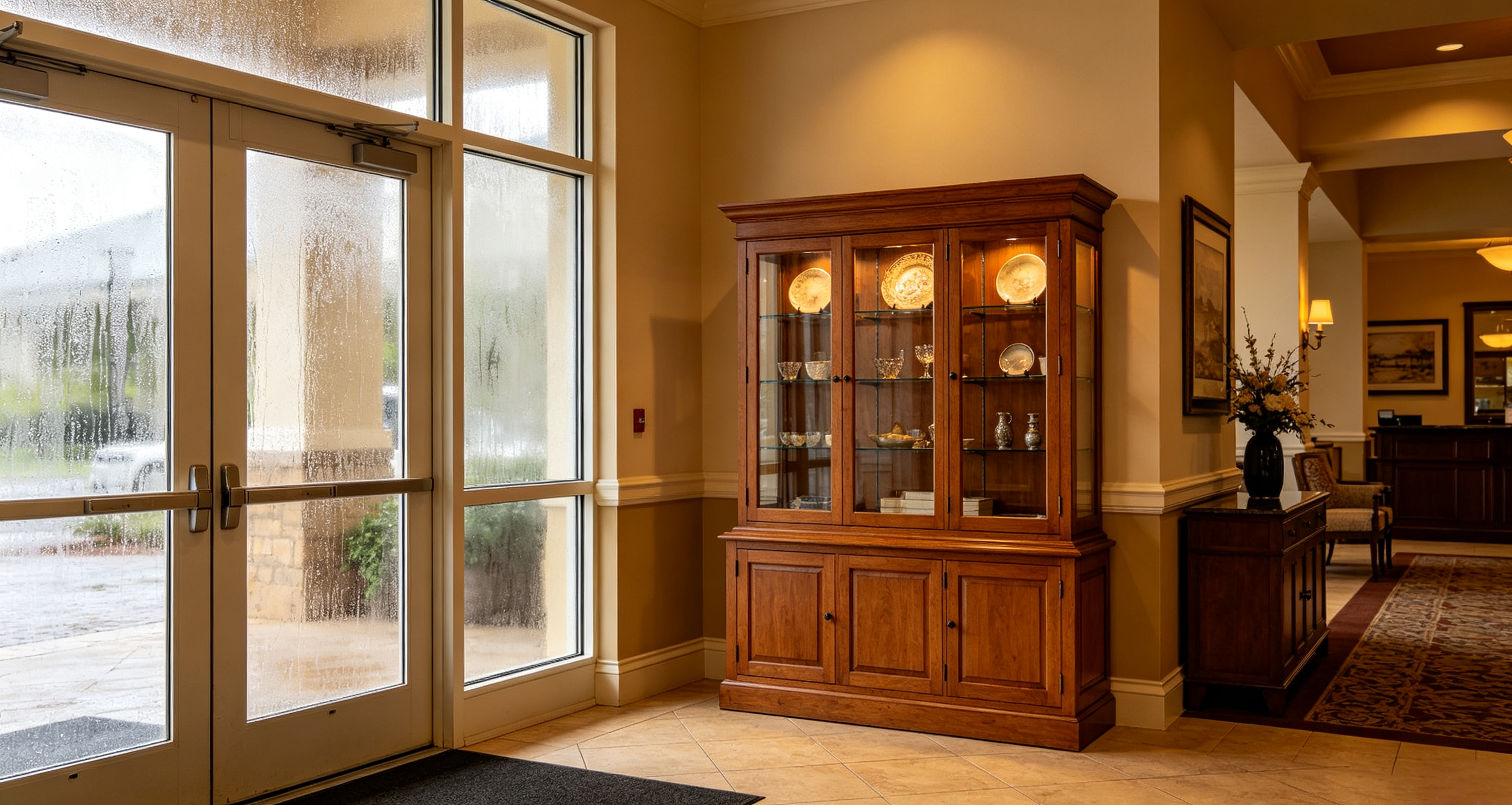
Hotel FF&E projects across the Southern United States face a uniquely destructive combination of high humidity, frequent rainfall, warm year-round temperatures, and active subterranean termite pressure. Regions including Florida, Louisiana, Texas, Alabama, Mississippi, Georgia and South Carolina sit within the highest termite hazard zones in North America. For hotel operators, wooden furniture damage triggered by moisture and termite infestation creates costly cascading issues: mold growth, veneer delamination, swollen cabinet doors, loose joinery, hidden tunneling inside casegoods, premature replacement, and failed pest inspection reports that impact property sale, refinancing, and brand compliance.
Many procurement teams treat moisture control and termite resistance as separate add-on requirements, but they are deeply connected. Moisture is the primary trigger for both wood rot and termite activity. Even pre-treated furniture can become vulnerable if condensation, rain intrusion, plumbing leaks or improper site acclimation push wood moisture content above safe thresholds. This guide covers the core failure mechanisms, compliant material specifications, factory pretreatment standards, construction details, packaging and site delivery protocols, ongoing pest management, and procurement checklist for wooden furniture deployed in Southern US hospitality properties. It includes performance tables aligned with AWPA and IBC standards, and breaks down common specification mistakes that lead to early furniture failure in hot, humid termite-heavy zones.
Why Southern US Hotel Environments Accelerate Moisture and Termite Damage
Subterranean termites are the biggest threat for hotel FF&E in the South. Unlike drywood termites that fly directly into furniture, subterranean termites build colonies underground and travel through mud tubes to reach wood sources. Furniture placed near slab floors, exterior walls, bathroom entries, balcony doorways, and ground-floor lobbies sits within easy reach of termite pathways. Warm temperatures between 21°C and 32°C, paired with sustained relative humidity above 65%, create ideal breeding conditions for termites and decay fungi for most of the year.
Moisture damage occurs in multiple ways. Coastal Southern hotels face salt-laden humid air that penetrates veneer, edge gaps and unsealed end grain. Inland markets struggle with summer thunderstorms, high groundwater, HVAC condensation, and leaky guestroom plumbing. When wood absorbs excess moisture, it swells, veneer separates from substrate, glue lines fail, and mold spores colonize porous surfaces. Once fungal decay begins, wood becomes softer and more attractive to termites. A single undetected water leak behind a guestroom vanity cabinet can turn a brand-new furniture unit into a termite target within months.
A widespread misconception among buyers is that one surface spray application of pesticide is sufficient protection. Surface-only sprays wash off during cleaning, degrade quickly in humid air, and cannot penetrate deep into engineered wood substrates. For commercial hotel furniture, only pressure-impregnated preservative treatment or naturally durable wood species deliver reliable long-term protection, as referenced in AWPA U1 and IBC building codes for above-ground wood components in high-risk termite zones.
Table 1: Wood Material Performance for Southern US Hotel Furniture (Termite & Moisture Resistance)
| Material Category | Termite Resistance | Moisture / Rot Resistance | Best Placement in Hotel | Key Limitations |
|---|---|---|---|---|
| Borate pressure-treated plywood / MDF | High | High | Guestroom vanities, base cabinets, casegoods away from direct ground contact | Cannot be used where continuous wetting occurs; requires full sealing |
| Naturally durable hardwood (cypress, teak) | Medium-High | Medium-High | Feature furniture, decorative headboards, accent pieces | Higher cost, variable grain stability, not fully immune in heavy termite zones |
| Standard poplar / rubberwood veneer composite | Low | Low | Only fully conditioned interior zones, with full seal and borate pretreatment | Very vulnerable without treatment; fast swelling and rot risk |
| Acetylated modified wood (Accoya) | Medium | High | Lobby display furniture, window-side millwork | Expensive, does not block termites on its own without supplementary treatment |
| HPL / phenolic panel (non-wood substrate) | Excellent | Excellent | Bathroom cabinet tops, kick plates, base trim near slab | No wood texture, limited decorative veneer options |
| Standard particleboard / plain MDF | Very Low | Very Low | Not recommended for Southern ground-floor or coastal hotels | Rapid swelling, mold, highly attractive to termites once damp |
This table helps FF&E specifiers zone furniture correctly. Any wooden furniture sitting within 450 mm of concrete slab, exterior doors or bathroom wet zones must fall into the high-resistance category. Standard veneered composite panels are restricted to upper-floor guestrooms with stable, low-humidity HVAC control.
Approved Preservative Treatment Standards for Hospitality Wooden Furniture
For Southern US hotel projects, all wooden substrates used in high-risk zones must meet AWPA U1 Use Category UC2 for above-ground interior use in high termite hazard regionsSouthern F…. The preferred treatment for furniture components is borate-based preservative systems, such as Tim-bor and zinc borate, widely accepted for indoor FF&E because they carry low mammalian toxicity while suppressing termites, wood-boring beetles and decay fungiU.S. Borax.
Critical distinction: dip treatment or brush-on surface borate is not equivalent to vacuum-pressure impregnation. Pressure treatment forces the preservative deep into the wood cell structure, so protection remains effective even after surface scratches or wear during hotel cleaning cycles. Surface coatings only protect the outer layer; scratches expose untreated wood and create entry points for pests and moisture.
Test requirements for pre-production samples are mandatory. Suppliers must provide third-party reports confirming penetration depth and retention levels of borate preservative. After treatment, the wood must be kiln-dried to the target equilibrium moisture content for Southern climates: 10%–12% moisture content before veneering, assembly and finishing. If treated wood is assembled while too wet, trapped moisture will create blistering, delamination and mold under veneer.
Coating systems work in tandem with preservative treatment. A full seal system includes primer, flexible intermediate coat and topcoat, with special attention to end grain, cut edges, drilled holes and screw pockets. These are the highest-risk entry points for moisture and termite detection. PUR edge banding is preferred over standard PVC edge banding, as it resists water wicking along the glue line in humid air.
Table 2: Factory Pre-Treatment & Finishing Specification Checklist for Southern US Wooden Hotel Furniture
| Specification Item | Required Standard | Acceptance Criteria |
|---|---|---|
| Preservative treatment | AWPA U1 UC2, borate pressure impregnation | Verified preservative retention and penetration lab report |
| Target moisture content | 10%–12% at shipment | Batch moisture sampling records provided |
| Edge & end-grain sealing | Full perimeter seal, PUR edge banding + end-grain sealer | No exposed raw wood substrate after fabrication |
| Finish system | Flexible 2K PU conversion varnish, mold-resistant additives | Finish passes humidity cycling test, no pinholing or blistering |
| Hardware | 304 stainless steel screws, brackets and slides | No corrosion under high humidity, no galvanic reaction with treated wood |
| Pre-shipment sample test | 4-week high-humidity chamber test at 27°C, 75% RH | No mold growth, no veneer lift, no visible termite feeding tunnels |
Structural Design Rules to Reduce Moisture Intrusion and Termite Access
Material treatment alone cannot stop infestation if furniture design creates easy access for termites and trapped moisture. The core design principle is separation: isolate all wooden components from concrete slab, wet walls and standing water.
All cabinet bases, bed frames and seating units require elevated clearances of minimum 100 mm above finished slab. Solid closed kick panels without ventilation are a common failure point. Unvented kick spaces trap humid air, condensate and dirt, creating dark undisturbed zones perfect for termite mud tube construction. Ventilated kick plates or removable pest-access panels are recommended so hotel pest control technicians can inspect underneath furniture without full disassembly.
Hidden voids inside cabinet carcasses are another major risk. Large hollow cavities with no airflow hold moisture and give termites undetectable space to colonize. Designers should add small, screened ventilation ports on back panels of floor-standing cabinets. Screens must be fine enough to block termite entry while allowing air exchange.
Assembly details must avoid water trapping. Horizontal ledges, recessed grooves and overhangs that collect condensation or cleaning water should be minimized. Screw holes and machined cutouts must be sealed immediately after machining. Unsealed drill holes are one of the most overlooked pathways for both moisture absorption and termite entry.
Where wood is adjacent to plumbing lines, removable access panels are required. Guestroom vanity cabinets are the highest-risk furniture item in Southern hotels, because slow, hidden pipe leaks saturate substrate over weeks before visible damage appears.
Packaging, Shipment and Site Acclimation for High-Humidity Southern Deliveries
Many moisture and pest problems start during transit and installation. Furniture produced in factory climates with 45–55% RH is shipped into a hot, humid Southern environment. Rapid moisture gain causes veneer swelling, joint binding and coating failure. It also creates damp wood that becomes far more attractive to termites once placed on site.
The correct acclimation workflow is different from dry-climate projects. After delivery, crates remain sealed in shaded, well-ventilated receiving areas for 72–96 hours. The packaging slows the rate of moisture exchange, so wood can gradually reach equilibrium with local ambient humidity before unpacking. Unpacking furniture directly in open, humid outdoor loading zones is not permitted.
Packaging must balance protection and breathability. Fully sealed plastic wrapping traps condensation inside crates and creates mold on furniture surfaces. Suppliers should use breathable corrugated crates with anti-mold paper interleaving, plus desiccant packs calibrated for long ocean or overland transit to Southern ports. Desiccants must not be allowed to rest directly on veneer surfaces, as localized overdrying can cause cracking.
Before installation, the hotel HVAC and dehumidification systems must run continuously and maintain indoor RH below 60%. If FF&E arrives before building envelope sealing or HVAC commissioning, furniture storage inside the unfinished building is extremely risky. Temporary climate-controlled storage is the preferred alternative for early deliveries.
Integrated Pest Management for Hotel FF&E, Not Just One-Time Treatment
For Southern hotel operators, furniture protection is part of the property’s broader integrated pest management (IPM) program, not a one-time factory treatment. Licensed pest control providers follow NPMA standards for wood-destroying organism inspection and monitoringABI Home I….
Termite bait stations and soil chemical barriers are installed around the building perimeter before furniture move-in. These systems target subterranean colonies before they can reach slab-level furniture. Regular inspection schedules are critical: quarterly inspections for ground-floor and coastal properties, semi-annual inspections for upper-floor furniture. Inspectors look for mud tubes along cabinet bases, tiny exit holes, frass powder, hollow sound when tapping wood, and soft, spongy veneer from decay.
Housekeeping teams also play a key role. Spilled water, wet toiletries, damp towels left touching cabinet surfaces, and overspray from bathroom cleaning chemicals all add localized moisture. Staff training should include wiping standing water immediately, avoiding excessive liquid cleaner on wooden furniture, and reporting soft spots, discoloration or mold spots to engineering before the issue escalates.
Important warranty clarification: Factory borate treatment covers pest resistance from normal environmental exposure. Warranties almost always exclude damage caused by uncontrolled plumbing leaks, persistent flooding, or improper storage in unconditioned construction zones. Procurement contracts should clearly separate factory material compliance from ongoing site IPM responsibilities.
Common Specification Mistakes for Southern US Hotel Wooden Furniture
The first frequent mistake is writing specs that only require “termite-proof finish” without specifying pressure-impregnated borate treatment. Many low-cost vendors offer only surface spray, which degrades rapidly in Southern humidity and gives buyers a false sense of security.
Second, buyers approve standard MDF or plain veneer furniture for ground-floor guestrooms, lobby cabinetry or bathroom vanities. These substrates absorb moisture quickly and become prime termite targets.
Third, designers specify solid unvented kickboards and tight fitted cabinet bases sitting directly on concrete, eliminating visual inspection routes and trapping humidity.
Fourth, delivery teams unpack furniture immediately upon arrival in humid loading docks, skipping acclimation and triggering rapid moisture uptake.
Fifth, procurement teams confuse rot resistance with termite resistance. Some modified wood or marine-grade substrates resist swelling and mold, but they do not stop termite feeding unless treated with approved preservatives.
Final Summary
Southern US hotel wooden furniture faces a linked threat: moisture creates favorable conditions for decay, and damp wood attracts termites. Effective defense is layered: select substrates that meet AWPA U1 UC2 borate pressure impregnation standards, lock in moisture protection with full edge and end-grain sealing, design furniture with clearance, ventilation and inspection access, control wood moisture content at 10–12% before shipment, follow gradual site acclimation protocols, and tie furniture maintenance into a regular licensed IPM inspection schedule. Procurement teams that include third-party preservative test reports and humidity cycling performance as pre-approval shipping gates will drastically reduce mold, rot and termite claims, extend FF&E service life, and avoid costly disruptions to hotel operations and brand audits.
FAQ
Q: Can natural veneer furniture still be used in Florida, Texas or Louisiana hotels?
A: Yes. Veneered furniture is acceptable for upper-floor guestrooms with stable HVAC. The substrate must be borate pressure treated, fully sealed, and kept away from slab contact, bathroom splash zones and exterior walls. It is not recommended for ground-floor lobbies or coastal wet zones.
Q: What is the difference between borate dip treatment and pressure impregnation?
A: Dip treatment only treats the outer surface. Vacuum-pressure impregnation pushes preservative deep inside the wood cell structure, so protection survives scratches and surface wear required for commercial hotel use.
Q: What indoor RH should hotels maintain to reduce both moisture and termite risk?
A: Keep occupied spaces between 40% and 60% RH. Consistently above 65% RH accelerates mold growth and improves termite survival chances.
Q: Is teak or cypress naturally termite-proof for hotel furniture?
A: Naturally durable species have better resistance, but they are not immune in heavy termite pressure zones. Supplementary borate treatment is still recommended for commercial FF&E.
Q: How often should pest inspectors check wooden hotel furniture for termites?
A: Ground floor, coastal and high-humidity locations: quarterly inspections. Upper floors with stable HVAC: semi-annual inspections, aligned with NPMA wood-destroying organism guidelines.
Post time: Nov-18-2026