
 joyce@taisenfurniture.com
 0086 15356090777


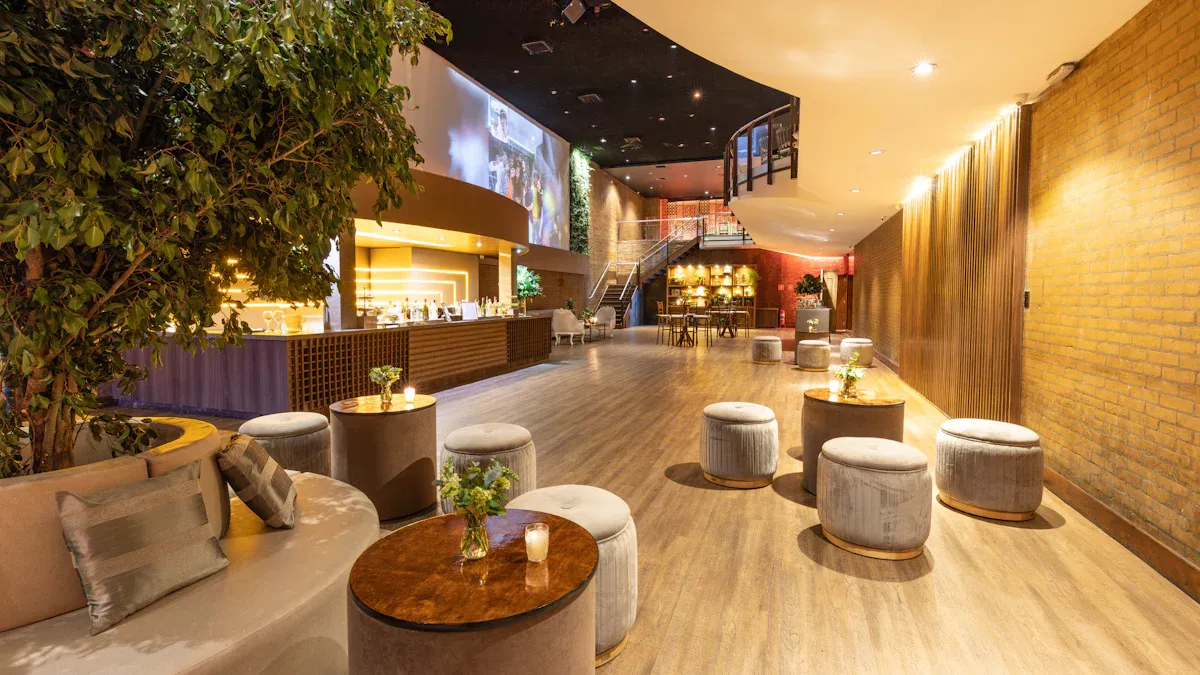
Sustainable hotel furniture refurbishment is now essential for modern hospitality. It aligns with evolving guest expectations. Hotels critically need refurbishment that is both cost-effective and quality-driven. These projects must deliver lasting value. Maintaining high guest satisfaction during hotel furniture upgrades presents a significant challenge. Strategic planning ensures minimal disruption.
Key Takeaways
- Hotels save money by refurbishing furniture. It costs less than buying new items. This helps hotels manage their budgets.
- Refurbishing furniture helps the environment. It keeps old furniture out of landfills. This also saves natural resources.
- Sustainable refurbishment makes guests happier. Guests like hotels that care about the environment. This can make them want to stay again.
Overcoming Common Hotel Furniture Refurbishment Challenges
Managing Budget Constraints for Hotel Furniture
Hotels often face budget constraints. Refurbishment offers significant savings. It costs less than purchasing new items. Careful planning helps manage these expenses effectively. Hotels can prioritize items for repair. They can also choose cost-effective restoration methods. This approach maximizes financial resources.
Maintaining Brand Aesthetics with Refurbished Hotel Furniture
Refurbished pieces must seamlessly integrate with the hotel’s existing brand aesthetic. Experts ensure consistency. They match colors, textures, and styles. This preserves the hotel’s unique identity. High-quality finishes and materials maintain the desired look. Guests will not notice a difference.
Minimizing Operational Disruption During Refurbishment
Hotels must minimize guest inconvenience. Phased refurbishment plans work best. They allow work in sections. Off-site refurbishment also reduces disruption. Hotels can schedule work during low occupancy periods. This ensures a smooth operation. Guests continue to enjoy their stay.
Ensuring Durability and Longevity of Hotel Furniture
Refurbished items need to last. Quality craftsmanship ensures durability. Hotels select robust materials for repairs. They also apply protective coatings. Regular maintenance extends the lifespan of all pieces. This investment prevents frequent replacements.
Navigating Waste Disposal Regulations for Hotel Furniture
Hotels must comply with environmental regulations. Proper disposal of old materials is crucial. They identify local recycling programs. Hotels also seek partners who handle waste responsibly. This avoids penalties. It also supports environmental protection.
Sustainable Strategies for Hotel Furniture Refurbishment

Hotels can adopt various sustainable strategies for furniture refurbishment. These methods extend the life of existing pieces. They also reduce environmental impact.
Repair and Restoration Techniques for Hotel Furniture
Repair and restoration form the foundation of sustainable refurbishment. Skilled artisans fix damaged items. They mend broken frames, repair upholstery, and refinish surfaces. This process brings old pieces back to their original condition. It often enhances their durability. For example, a hotel might reupholster chairs with durable, stain-resistant fabrics. They can also reinforce table legs. These techniques save money. They also prevent items from ending up in landfills.
Creative Repurposing and Upcycling Hotel Furniture
Repurposing and upcycling offer creative solutions. Hotels transform old items into new ones. They give furniture a different function or a refreshed look. An old dresser might become a stylish mini-bar cabinet. Discarded headboards can turn into decorative wall art. This approach adds unique character to hotel spaces. It also minimizes waste significantly. Upcycling showcases a hotel’s commitment to innovation and sustainability.
Sourcing Eco-Friendly Materials for Hotel Furniture
When repairs require new components, hotels should choose eco-friendly materials. They can select sustainable wood from certified forests. Recycled metals and fabrics made from natural fibers are also good choices. Low-VOC (volatile organic compound) paints and finishes improve indoor air quality. Sourcing these materials supports responsible manufacturing. It also reduces the carbon footprint of refurbishment projects. This practice ensures the refurbished items remain environmentally sound.
Modular and Adaptable Hotel Furniture Designs
Modular and adaptable designs offer long-term sustainability. Hotels invest in furniture that can change configuration. They can easily modify these pieces to suit different room layouts or functions. For instance, a modular sofa can split into individual chairs. A table with adjustable height serves multiple purposes. This flexibility extends the furniture’s usefulness. It reduces the need for frequent replacements. Such designs also allow for easier repairs and component upgrades.
Partnering with Sustainable Hotel Furniture Suppliers
Collaborating with sustainable suppliers is crucial. These partners share a commitment to environmental responsibility. They often use eco-friendly manufacturing processes. They also offer products made from recycled or sustainably sourced materials. A hotel can choose suppliers who provide take-back programs for old furniture. This ensures proper recycling or repurposing. Such partnerships streamline the refurbishment process. They also guarantee adherence to green standards.
The Benefits of Sustainable Hotel Furniture Refurbishment
Sustainable refurbishment offers numerous advantages for hotels. These benefits extend beyond environmental impact. They also positively affect finances and guest perception.
Significant Cost Savings for Hotel Furniture Projects
Hotels realize substantial cost savings through refurbishment. Repairing and restoring existing items costs less than purchasing new ones. This approach reduces capital expenditure significantly. It allows hotels to allocate funds to other critical areas. Refurbishment also avoids the high costs associated with disposing of old furniture.
Enhanced Brand Image and Guest Appeal
Guests increasingly value sustainability. Hotels demonstrating eco-friendly practices attract more conscious travelers. Refurbished Hotel Furniture showcases a commitment to environmental responsibility. This enhances the hotel’s brand image. It also creates a unique, appealing aesthetic that guests appreciate. This commitment can lead to higher guest satisfaction and loyalty.
Reduced Environmental Footprint of Hotel Furniture
Refurbishment dramatically lowers a hotel’s environmental impact. It diverts waste from landfills. This process conserves natural resources. It also reduces the energy needed for manufacturing new products. Hotels contribute to a healthier planet by choosing refurbishment.
Improved Lifespan of Hotel Furniture Assets
Quality refurbishment extends the life of existing assets. Experts reinforce structures and replace worn components. This makes furniture more durable. It delays the need for complete replacement cycles. Hotels maximize their investment in furniture over a longer period.
Compliance with Green Initiatives for Hotel Furniture
Many regions have strict environmental regulations. Sustainable refurbishment helps hotels meet these standards. It aligns with various green building certifications and sustainability programs. Compliance avoids potential fines. It also positions the hotel as an industry leader in responsible practices.
Practical Implementation of Sustainable Hotel Furniture Refurbishment

Hotels can effectively integrate sustainable practices into their operations. This requires a structured approach. It involves careful planning and consistent execution.
Conducting a Comprehensive Hotel Furniture Audit
A thorough audit forms the first step. Hotels must assess every piece of furniture. They check its condition, style, and structural integrity. This process identifies items suitable for repair or repurposing. It also flags pieces beyond saving. An audit helps prioritize refurbishment efforts. It ensures resources go to the most impactful areas. Teams can use a checklist to evaluate each item. This ensures consistency.
Tip: Categorize furniture during the audit. Use labels like “Repair,” “Refinish,” “Reupholster,” “Repurpose,” or “Replace.” This simplifies decision-making.
Developing a Phased Refurbishment Plan for Hotel Furniture
Hotels need a detailed plan. This plan outlines the refurbishment process. It breaks down the project into manageable phases. For example, a hotel might refurbish one floor at a time. This minimizes disruption to guests. Scheduling work during low occupancy periods also helps. The plan should include timelines, budgets, and responsible teams. It ensures a smooth workflow. A phased approach allows hotels to spread costs over time.
Training Staff on Hotel Furniture Maintenance
Staff play a crucial role in furniture longevity. Hotels should train employees on proper maintenance. This includes cleaning techniques for different materials. It also covers minor repairs. Staff learn to identify and report damage early. Early detection prevents small issues from becoming major problems. Regular training sessions reinforce these practices. Well-maintained furniture lasts longer. This reduces the need for frequent refurbishment.
Measuring Impact and ROI of Hotel Furniture Refurbishment
Hotels must track the results of their efforts. They measure the impact of refurbishment. This includes cost savings compared to buying new items. They also track waste reduction metrics. Guest feedback on the refreshed spaces provides valuable insight. Hotels can calculate the return on investment (ROI). This demonstrates the financial benefits of sustainable practices. Data helps justify future sustainable projects.
| Metric | How to Measure | Benefit |
|---|---|---|
| Cost Savings | Compare refurbishment cost to new purchase cost | Direct financial gain |
| Waste Diversion | Track weight/volume of materials recycled | Environmental impact, regulatory compliance |
| Furniture Lifespan | Document extended use of refurbished items | Asset maximization |
| Guest Satisfaction | Surveys, online reviews | Enhanced brand image, repeat business |
Communicating Sustainability Efforts for Hotel Furniture
Hotels should share their sustainability story. They communicate their refurbishment efforts to guests. This enhances the hotel’s brand image. It also attracts environmentally conscious travelers. Hotels can use various channels. These include their website, social media, and in-room materials. Transparent communication builds trust. It shows a genuine commitment to the environment. This positive message resonates with modern guests.
Investing in sustainable hotel furniture refurbishment provides significant long-term value. Hotels should begin this journey today by conducting comprehensive audits and developing phased plans. This strategic approach positively impacts guest satisfaction, optimizes budgets, and reduces environmental footprints.
FAQ
What makes sustainable refurbishment cost-effective for hotels?
Sustainable refurbishment saves money. Hotels repair existing furniture instead of buying new. This reduces purchasing costs. It also lowers disposal fees.
How does refurbishment benefit the environment?
Refurbishment reduces waste. It keeps furniture out of landfills. This conserves natural resources. It also decreases energy use from new manufacturing.
Does sustainable refurbishment improve guest satisfaction?
Yes, it does. Guests appreciate eco-friendly practices. Refurbished spaces often look unique and fresh. This enhances their overall experience.

Post time: Dec-03-2025