
 joyce@taisenfurniture.com
 0086 15356090777


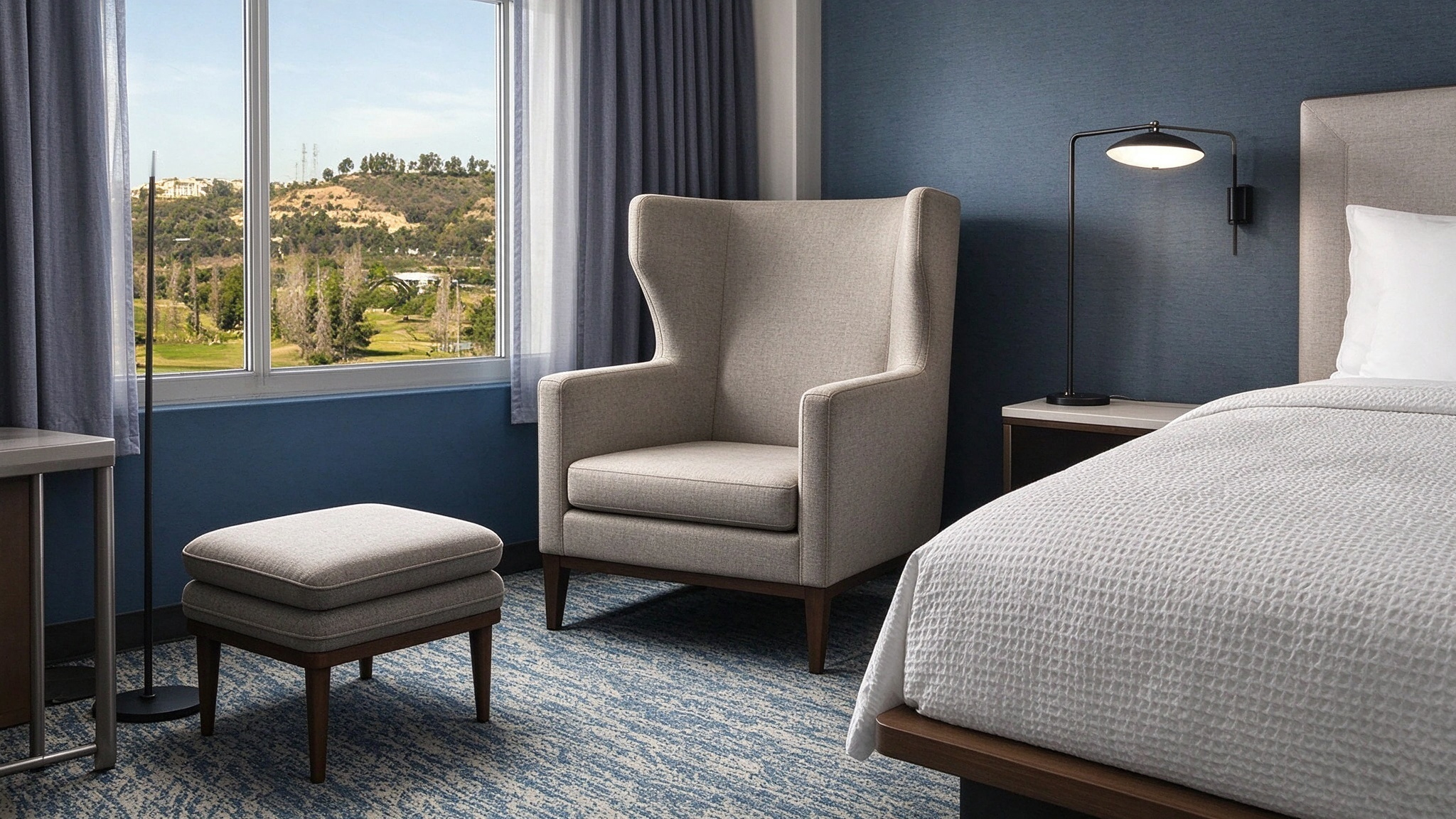
A hotel lounge chair is far more than a decorative furniture piece. For neurodiverse travellers, including autistic guests, guests with ADHD, sensory processing differences and other neurodivergent profiles, seating becomes a critical sensory interface. The texture of upholstery, firmness of foam, sound of the frame, shape of armrests and even the subtle movement of the chair can either stabilise the nervous system or trigger sensory overload. Many hospitality buyers and interior designers focus heavily on visual style, fire ratings and durability, while overlooking seating performance for neurodiverse users. This guide breaks down sensory, ergonomic and operational rules for inclusive hotel seating, to help FF&E teams select furniture that works for every guest.
What Neurodiverse Guests Need From Hotel Seating
Neurodiversity covers a wide spectrum of neurological profiles. No single seating design suits everyone, but most sensory challenges fall into a few clear categories: tactile sensitivity, auditory sensitivity, proprioceptive needs, visual sensitivity and the need for choice.
Tactile sensitivity is one of the most common concerns. Some guests find scratchy, bumpy, overly shiny or sticky upholstery fabrics unbearable, even for short stays. Others seek deep pressure, firm, consistent support to feel grounded. Guests with ADHD often need controlled movement; they may rock, shift or bounce gently to maintain focus and calm. Autistic guests may prefer high-sided, enclosed seating that creates a quiet personal boundary, shielding them from surrounding visual and social stimulation. Many neurodivergent travellers struggle with unpredictable noise. A chair that squeaks, creaks or wobbles when weight shifts creates constant, unexpected sound input that builds anxiety over time.
The core principle of neuro-inclusive seating design is choice. Hotels should not replace all standard seating, but add a range of seating types within public zones, guestrooms, F&B areas and quiet retreat spaces. Giving guests the option to pick a seat matching their sensory profile removes stress and builds trust. Inclusive seating also benefits all other guests: elderly visitors, guests recovering from injury, remote workers who need focus space, and families with young children.
Fabric & Surface Rules for Sensory Safety
Fabric selection is the first and most impactful decision. Avoid fabrics with aggressive texture, raised bold patterns, glitter, vinyl that sticks to bare skin, or surfaces with strong reflective sheen. Matte, low-pile, uniform textiles are the safest baseline.
For guests sensitive to rough touch, tightly woven plain polyester, performance linen blend and bamboo-based upholstery work well. They are smooth, consistent, easy to clean and available in commercial fire-rated grades. Velvet can be a good option for guests seeking soft tactile feedback, but test samples carefully. Some velvet piles shed, catch lint or create unexpected friction that irritates sensitive skin.
Stay away from fabrics with strong printed graphics, high-contrast busy patterns. These create constant visual noise that drains attention. Solid, muted, low-saturation colours are preferred for sensory-friendly zones. All upholstery must be tested for unexpected tactile variation. Run hands across samples repeatedly; check for loose threads, uneven stitching or stiff seams that dig into legs and backs.
Spill and stain resistance remains essential for commercial hotel use. Sensory-friendly fabric does not mean sacrificing cleanability. Modern performance treated fabrics offer stain release without tacky, plastic-feeling surface coatings that many sensitive guests dislike. Always request physical swatches and allow neurodivergent testers to touch and sit on prototypes before bulk approval.
Foam, Firmness & Pressure Distribution
Cushion density and firmness must be planned with sensory regulation in mind, not just standard ergonomic posture support. There are two major user groups to accommodate.
Guests who need deep pressure input respond best to medium-firm to firm foam. Firm cushioning delivers steady proprioceptive feedback, helping the nervous system feel anchored. Too soft foam causes the body to sink deeply, creating unpredictable pressure points and unstable support. This can increase restlessness for users who need consistent body feedback.
On the other hand, some guests experience pain or distress from hard surfaces and prefer softer, slow-recovery foam layers. The best solution is to avoid a one-firmness rule. Offer seating tiers: firm supportive chairs for grounding, medium standard lounge seating, and one smaller selection of gently padded options.
Pressure mapping can be a valuable tool here. It identifies hotspots along thighs, hips and the lower back. Even a firm chair can become uncomfortable if pressure concentrates on narrow contact points. Contoured seat pans and segmented back cushions spread load evenly. Memory foam should be used selectively. While memory foam distributes pressure well, it traps heat and holds body shape. For many neurodivergent guests, the warm, clinging sensation is unpleasant, so memory foam cushions are better as optional removable pads instead of fixed seat foam.
Frame, Structure & Hidden Noise Risks
Noise is a frequently underestimated hazard. Standard stacking chairs, swivel bases and thin metal frames often produce squeaks, clicks or rattles with small movements. For neurodivergent guests sensitive to sudden sound, these small noises become a persistent stress trigger.
When evaluating chair frames, test for sound under realistic use. Shift weight side to side, rock gently, lean back, and listen for creaking joints or metal-on-metal contact. Solid wood frames with tight joinery and thick, rubberised floor glides tend to run quiet. If metal frames are required for budget or outdoor projects, select models with internal noise dampening, fitted rubber buffers at all contact points. Wobble must be eliminated entirely. Any unstable seating creates low-level uncertainty for users who rely on predictable sensory input.
Armrest design is equally important. Some guests need wide, padded armrests for physical boundary and support. Others feel trapped and restricted by fixed armrests that block movement. Adjustable or removable armrests are the premium inclusive solution. High, wrapped wingback designs create visual and physical shelter; they are ideal for quiet corners and sensory reset zones. Low-profile open arm chairs work better for guests who need to reposition freely, cross legs or rock side to side.
Seat height and seat depth follow the same flexible logic. A fixed single dimension will not fit every sensory and body profile. A range between 16 inches and 19 inches seat height covers most adult users. Shallow seat depths suit guests who prefer upright, contained posture; deeper seats allow full-body retreat for guests who want to curl up and self-regulate.
Movement Options: Controlled Motion for Self-Regulation
Many neurodivergent guests use controlled movement, often called stimming, to regulate arousal levels. Static, rigid seating can make self-regulation harder, while carefully designed motion seating gives a safe outlet. This category includes gently rocking lounge chairs, balanced wobble bases and slow-recline seating.
Motion furniture comes with clear boundaries for commercial hospitality. It must not rock too far or tip, and all motion hinges need smooth, silent operation. Loud clicking recliner locks are unsuitable for sensory spaces. Rocking chairs should have a limited travel range, with stoppers to prevent sudden tipping. Wobble stools work well in F&B booth zones, but they should be offered as optional seating rather than the only available choice.
It is critical to separate controlled movement from unstable furniture. A chair designed for gentle rocking is intentional. A cheap loose-jointed chair that wobbles randomly is stressful and unsafe. Interior teams and buyers must distinguish therapeutic motion from poor construction.
Layout, Zoning and How Seating Fits Within the Whole Space
Even the best inclusive chairs fail if placed in the wrong part of the hotel. Seating zoning is a large part of the strategy. Create layered seating zones across the property. High-energy social zones near entrances, bars and lobbies keep standard mixed seating. Secondary quiet zones, away from speakers, kitchen noise and heavy foot traffic, host the sensory-friendly seating collection. Dedicated sensory reset rooms, increasingly common in modern resorts, should be equipped with a curated mix of firm wingback chairs, rocking seating and lightweight portable floor cushions.
Space between seats matters greatly. Crowded tight seating rows force close proximity and overwhelm guests sensitive to touch or visual crowding. Leave wider circulation gaps between inclusive seats. Use partial screens, planters and low dividers to create micro-boundaries without fully closing the space.
Signage should be simple. A small, calm marker to indicate sensory-friendly seating zones helps guests identify suitable spots without drawing unwanted attention. Avoid bright, animated digital signs near these areas.
Operational and Commercial Value of Neuro-Inclusive Seating
Inclusive seating is not only an accessibility compliance task; it delivers measurable business returns. Neurodivergent travellers form a fast-growing travel demographic, and many actively filter hotels with sensory-friendly facilities. Positive guest reviews mentioning calm, comfortable seating directly improve booking conversion and loyalty.
Guests who can regulate their sensory state stay longer in lobby lounges and F&B outlets. Longer dwell time lifts food, drink and retail revenue, the same way well-calibrated standard ergonomic seating does. On the flip side, unsuitable seating pushes sensitive guests to leave early, skip meals or write negative reviews focused on overwhelming public spaces.
The maintenance burden is manageable. Sensory-friendly furniture uses the same commercial-grade fabrics and frames as standard hotel FF&E. The main difference in procurement is expanded sample testing: adding tactile assessment, quietness testing and feedback from neurodivergent reviewers to the standard quality checklist.
For large chain rollouts, phased replacement works well. Start by adding a small batch of inclusive seating to one quiet lounge or restaurant section, collect guest feedback, then scale the programme across properties. This reduces upfront capital risk while letting the hotel team learn which styles perform best with their guest profile.
Common Mistakes to Avoid
The first mistake is treating neuro-inclusive design as a cosmetic add-on. Simply adding one colourful “sensory chair” in a busy, loud lobby achieves almost nothing. Sensory comfort relies on seating, lighting, noise levels and spatial layout working together.
The second mistake is assuming soft equals better. Many designers select overstuffed, ultra-soft seating thinking it is calming. For guests needing deep pressure and stable support, overly soft seating increases disorientation and fatigue. Balance and variety beat a single softness standard.
Third, ignoring hidden noise. Beautiful upholstery and a stylish frame will not compensate for constant squeaking every time the guest shifts. Noise testing must be part of sample inspection.
Fourth, limiting choice. When sensory-friendly seating is the only option in a quiet zone, it excludes guests who prefer standard seating. Inclusive design means adding options, not removing existing furniture.
Final FF&E Buying Checklist for Neuro-Inclusive Seating
- Offer multiple cushion firmness levels: firm, medium and optional soft removable pads
- Test all upholstery swatches for texture, friction, sheen and pattern density
- Inspect every prototype for squeaks, rattles and wobble under shifting weight
- Select removable or adjustable armrest options alongside fixed arm and armless styles
- Include high-sided wingback seating for privacy and boundary support
- Add limited-motion silent rocking or balanced seating as optional selections
- Assign sensory-friendly seating to low-noise, low-crowd zones away from speakers
- Keep fabric colours muted, patterns minimal, finishes matte
- Confirm fabrics meet local commercial fire codes and stain-resistant requirements
- Collect feedback from neurodivergent users during sample evaluation
FAQ
Q: Does sensory-friendly seating cost significantly more than regular hotel lounge chairs? A: Premium adjustable and motion seating carries extra expense, but many static inclusive chairs fit standard FF&E budgets. The biggest change is sample evaluation process, not base pricing. Hotels can start small with a limited quantity and expand over time.
Q: Can sensory-friendly seating also work for banquet and event rental spaces? A: Yes. Event venues increasingly add a small subset of firm, quiet, low-texture seating for attendees with sensory needs. These can be mixed with standard banquet chairs for flexible event layouts.
Q: How do we train our procurement team to evaluate these chairs? A: Build a simple sensory checklist alongside your existing durability and load-test checklist. The checklist covers texture assessment, noise test, wobble check, cushion firmness range and visual clutter of fabric.
Q: Are there official certification standards for sensory-friendly hospitality furniture? A: There is no single global furniture certification for sensory suitability. Most best practices come from occupational therapy guidance, accessibility frameworks and direct feedback from neurodivergent users. Third-party lab testing for fire safety, load capacity and fabric performance remains mandatory.
Post time: Oct-23-2026