
 joyce@taisenfurniture.com
 0086 15356090777


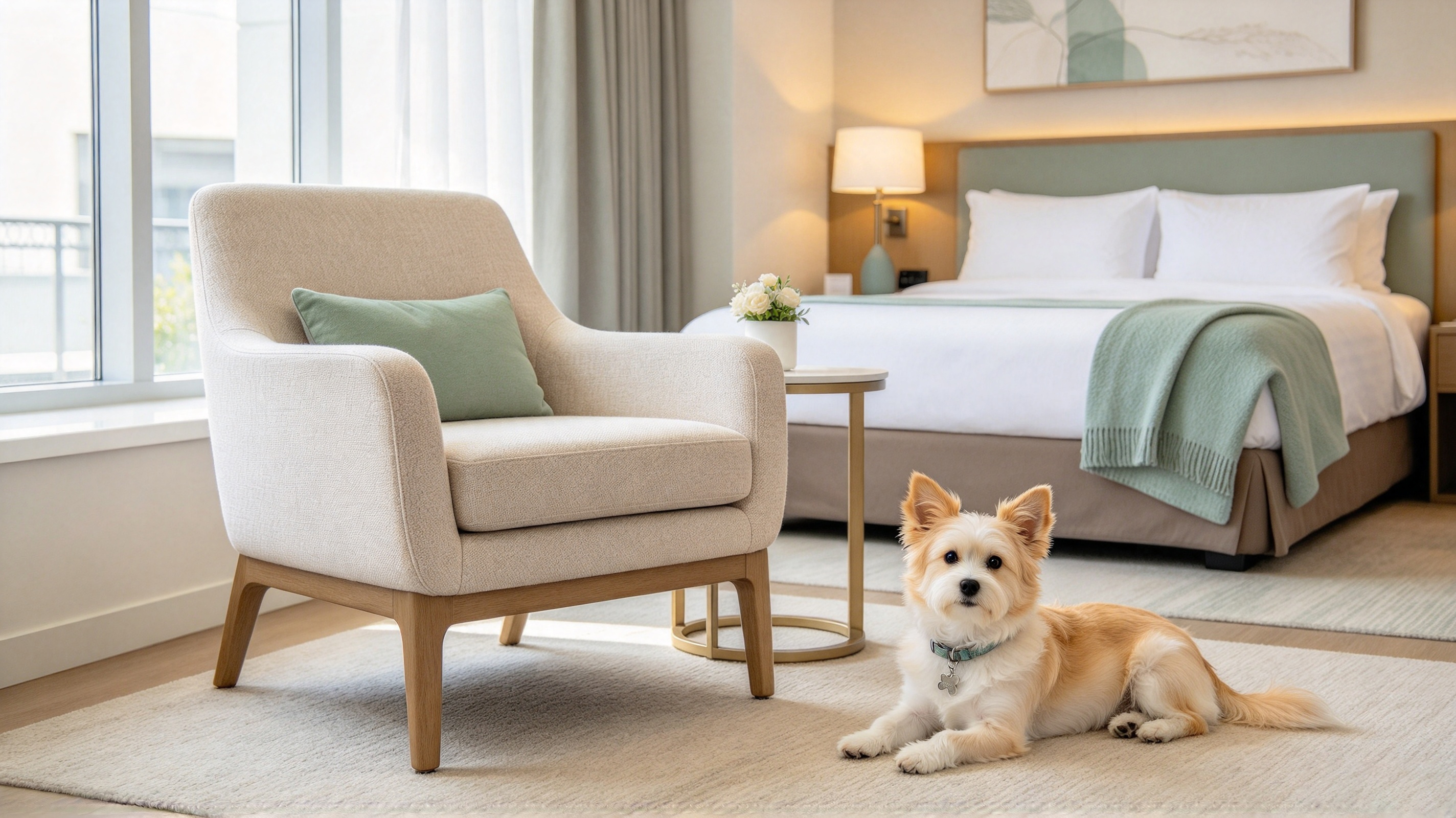
A hotel that welcomes pets makes a clear promise to a fast-growing group of travellers: their animal companions are truly welcome. For hotels and resorts that accept pets, that promise must survive the realities of claws, fur, slobber, accidents and the lingering smells that pet owners themselves often stop noticing. Furniture is the front line of this challenge. Sofas, lounge chairs, headboards, ottomans and benches are the surfaces pets touch most, and they are also the surfaces guests see, sit on and judge. A fabric that scratches easily, stains quickly, or traps odors forces constant replacement and undermines the guest experience for both pet owners and non-pet owners. This article examines how hospitality buyers should select scratch-proof and odor-resistant fabrics for pet-friendly hotel furniture, covering fabric construction, durability testing, stain and odor resistance technology, foam and cushion architecture, cleaning protocols, brand considerations and procurement practices.
Why Pet-Friendly Furniture Fabrics Matter
The Rise of Pet-Friendly Hospitality
The number of hotels accepting pets has grown steadily as more travellers refuse to leave their animals at home. Road-trip families, business travellers with service dogs, and leisure guests who simply prefer to travel with their pets now actively filter their accommodation choices by pet policy. A hotel that positions itself as pet-friendly attracts this loyal and often repeat-visit segment. But a pet-friendly policy is only credible if the physical environment can actually withstand pets. A single scratched leather sofa or a lingering odor in a lounge chair can generate complaints that spread quickly through review platforms and pet-owner communities.
Protecting the Asset and the Guest Experience
Hotel furniture is a capital asset expected to serve for seven to ten years. In pet-friendly properties, that expected lifespan is under constant pressure. Claws create abrasion on upholstery. Accidents create stains that must be removed quickly. Fur becomes embedded in fabric weaves. Odors, once absorbed into foam and textiles, are extremely difficult to remove and can resurface over time. When fabric fails these challenges, the result is premature replacement, rising maintenance costs and inconsistent room quality. Specifying fabrics engineered for this environment protects the asset, reduces operating cost and keeps every guest room, pet or no pet, looking fresh.
Balancing Durability with Aesthetics
Pet-friendly does not have to mean heavy, dull or institutional. Modern performance fabrics achieve high abrasion resistance, stain protection and odor control while maintaining soft, premium hand-feel and a wide range of colors, textures and patterns that match contemporary hotel design. The key is selecting fabrics that are engineered for the demands of pet-owning guests without compromising the visual language of the brand.
What Makes a Fabric Scratch-Proof
Abrasion Resistance: The Wyzenbeek Standard
The most widely used measure of fabric abrasion resistance in the hospitality industry is the Wyzenbeek test, which counts the number of double rubs a fabric can withstand before the yarn begins to break. Wyzenbeek ratings classify fabrics into application grades, and matching the grade to the intended traffic level is the first step in pet-friendly specification.
| Fabric Grade | Wyzenbeek Double Rubs | Typical Application |
|---|---|---|
| Light Residential | 10,000 – 15,000 | Occasional home use |
| Standard Commercial | 15,000 – 30,000 | General hospitality seating |
| Heavy Commercial | 30,000 – 50,000 | High-traffic lobbies, restaurants |
| Hospitality Pet-Friendly | 50,000 – 100,000 | Pet-allowed rooms, family suites, resorts |
For pet-friendly hotel furniture, buyers should target the 50,000 to 100,000 range, because claws add mechanical stress that exceeds normal guest use. A high Wyzenbeek rating indicates the fabric can resist the repeated abrasion caused by paws, nails and the friction of pets jumping on and off furniture.
The Role of Fabric Construction
Abrasion resistance depends heavily on how the fabric is constructed. Tightly woven fabrics with a dense, smooth surface resist scratching better than loose, textured weaves, which provide openings that claws can catch. Flat-woven performance fabrics with a high thread count and durable fiber content are a strong baseline. The fiber type matters as well. Nylon and polyester are the most abrasion-resistant common fibers. Olefin offers good stain resistance but lower abrasion ratings. Blends that combine nylon with polyester balance strength and feel. Buyers should be wary of glossy, tightly coated surfaces that look durable but crack, peel and show scratches more visibly over time.
Surface Treatments and Finish
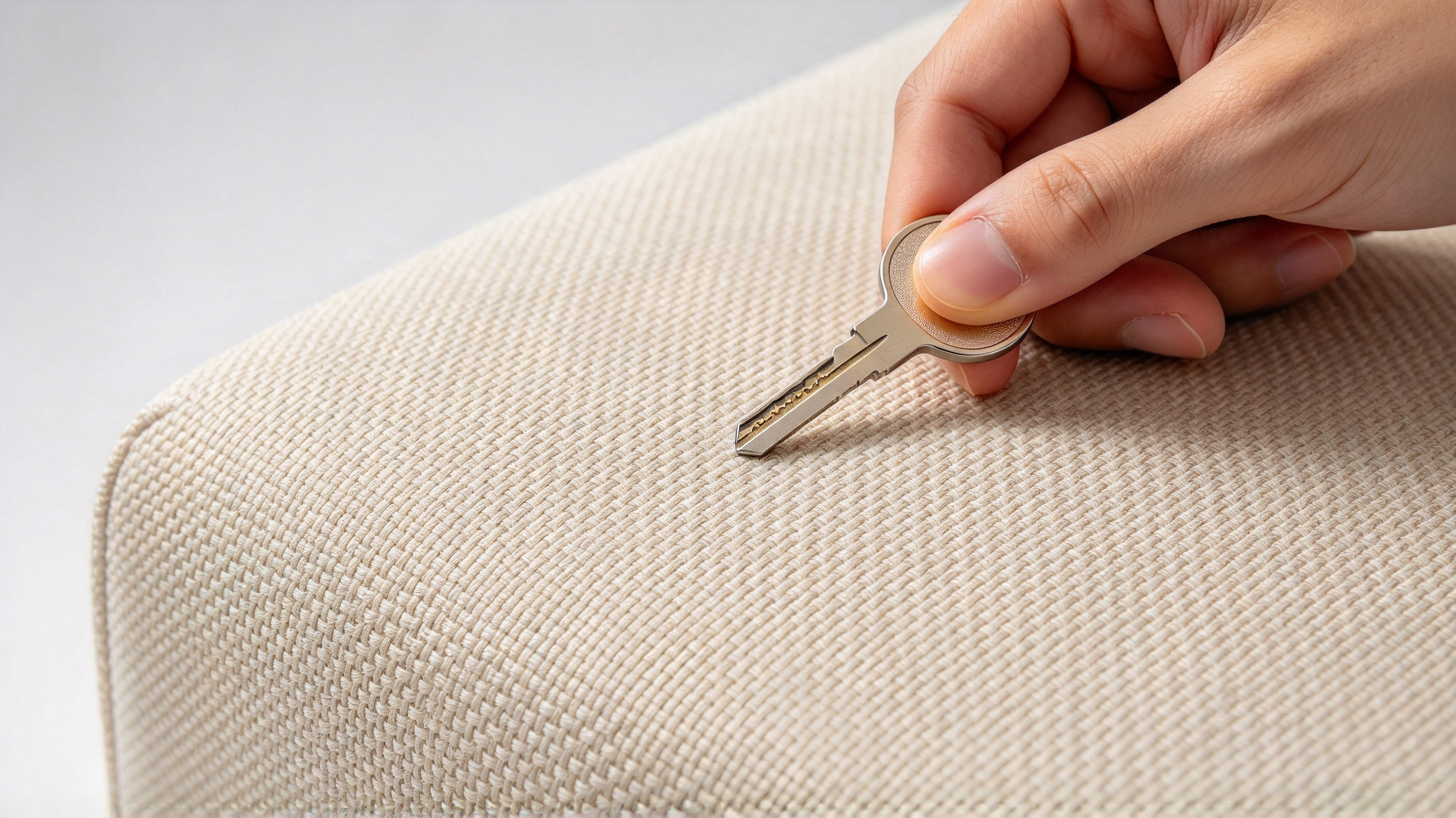
Some pet-friendly fabrics use a woven-in construction that resists claws at the yarn level, while others add a protective finish on the surface. A quality fabric for this application combines both: a tightly woven, high-abrasion base with a finish that reduces snagging. Buyers should request actual fabric samples and conduct a simple claw test, dragging a key or pet nail across the surface to observe whether the fabric snags, pills or shows lasting marks. This practical check often reveals differences that data sheets cannot.
What Makes a Fabric Odor-Resistant
Understanding Odor in Upholstery
Odor in upholstered furniture comes from two main sources: soiling and absorption. Soiling includes pet hair, dander, saliva, urine and food residue that settles on the fabric surface. Absorption occurs when moisture and oils penetrate into the fabric and the foam or batting beneath it. Once absorbed, odors are difficult to fully remove because the interior cushioning holds the source of the smell. Effective odor control therefore requires attention to the surface fabric, the barrier between fabric and cushion, and the cushion filling itself.
Moisture-Barrier Technology
The most effective defense against pet odor is preventing liquids and oils from reaching the cushion core. Performance fabrics with an integrated moisture barrier, typically a laminated backing or a waterproof membrane bonded to the fabric, stop urine, drool and spills from soaking into the foam. These barrier-backed fabrics allow the surface to be wiped clean, keeping the cushion dry and odor-free. The barrier must remain breathable enough to prevent heat and condensation buildup, balancing protection with comfort. Buyers should confirm that the moisture barrier is integrated into the fabric construction rather than a separate, easily damaged liner.
Antimicrobial and Odor-Neutralizing Finishes
In addition to a moisture barrier, many pet-friendly fabrics carry antimicrobial or odor-neutralizing finishes. Antimicrobial treatments inhibit the growth of odor-causing bacteria, mold and mildew on the fabric surface. Odor-neutralizing technologies work by chemically binding or breaking down volatile odor molecules rather than simply masking them with fragrance. These finishes extend the effective freshness of the fabric between cleanings. Buyers should verify that these treatments are durable and survive repeated commercial cleaning, and that they do not introduce harsh chemicals that could compromise indoor air quality or skin comfort.
Fabric-Foam Compatibility
Fabric alone cannot control odor if the cushion filling is porous and absorbent. The foam and batting inside the cushion must also be considered. Closed-cell or dense foam structures are less absorbent and resist odor penetration better than open, soft foams. Some pet-friendly cushions use a removable, washable cushion cover over a sealed foam core, so the entire cover can be removed and laundered, while the foam remains protected. This modular design is one of the most practical solutions for pet-friendly hospitality furniture.
Stain Resistance and Cleanability
Performance Fabrics and Stain Release
Scratch-proof and odor-resistant fabrics must also be stain-resistant to support quick, effective cleaning. Performance fabrics engineered with stain-release technology allow spills and pet accidents to be blotted away with minimal residue. Two approaches dominate the market, and they differ greatly in service life.
| Stain-Release Approach | How It Works | Longevity |
|---|---|---|
| Fiber-Integrated | Repellency built into the yarn during production | Lasts the full fabric lifespan |
| Surface Finish | Protective coating applied on top of fabric | Requires re-application regularly |
Buyers should ask whether the stain resistance is fiber-integrated or surface-applied, because this determines how well the fabric performs over the full life of the furniture. Fiber-integrated stain resistance is always the preferred option for high-traffic pet-friendly rooms.
Color and Pattern Strategy
The choice of color and pattern affects how visible stains, scratches and fur appear. Dark colors hide stains and some soiling but can show scratches and dust more clearly. Light colors reveal stains more readily. Textured patterns and tonal weaves help mask fur, minor scratches and everyday wear, making them a practical choice for pet-friendly rooms. Upholstery in a mid-tone with a subtle pattern offers a good balance of durability appearance and design flexibility. Buyers should select colors and patterns with maintenance in mind while staying aligned with the hotel brand.
Removable and Replaceable Covers
Removable, washable cushion covers are a significant advantage in pet-friendly environments. When a cover can be unzipped and laundered or replaced, the furniture is far easier to maintain and can be refreshed without discarding the whole piece. A hotel can change out a worn or soiled cover quickly and cost-effectively. This modular approach also supports a longer asset life, as the structural frame and foam remain in service while only the cover is renewed.
Cushion and Foam Considerations
Choosing the Right Foam
The foam inside the cushion affects both durability and odor control. Foam density and resilience are the two key specifications to evaluate. For pet-friendly furniture, a higher-density foam provides the structural longevity needed for heavy use while being less porous and more resistant to odor absorption.
| Foam Parameter | Recommended Specification for Pet-Friendly Use |
|---|---|
| Density | 2.5 – 3.0 lbs/cu ft |
| IFD (Indentation Force Deflection) | 35 – 45 lbs |
| Cell Structure | High-density or semi closed-cell |
High-resilience foam that maintains its shape over years of jumping and sitting is essential. Soft low-density foam will quickly collapse and trap odors, creating ongoing maintenance headaches for hotel housekeeping teams.
Sealed and Removable Construction
The best pet-friendly cushions use a removable cover over a sealed foam core. This keeps the foam dry when the cover is cleaned and prevents odors from reaching the interior. Some cushions use a waterproof inner liner that wraps the foam, adding another layer of protection. Buyers should inspect the cushion construction to confirm that the foam is protected and that the cover can be fully removed for cleaning or replacement.
Cleaning Protocols and Maintenance
Responsive Cleaning for Pet Accidents
Even the best fabric needs correct cleaning to perform. Pet accidents should be addressed immediately. The affected area should be blotted, not rubbed, to absorb moisture without pushing it deeper. A neutral pH cleaner suitable for performance fabric should be used, followed by rinsing with clean water. Harsh chemicals, bleach and steam cleaning at very high temperatures can damage fabric fibers and strip protective finishes, so they should be avoided unless the fabric manufacturer approves them.
Routine Maintenance Schedule
A consistent maintenance schedule keeps pet-friendly furniture looking and smelling fresh over its full service life.
| Maintenance Task | Recommended Frequency |
|---|---|
| Blot spills and pet accidents | Immediately upon discovery |
| Vacuum upholstery | After every pet guest stay |
| Enzyme deodorizer treatment | Weekly |
| Professional deep cleaning | Every 3–6 months |
Regular vacuuming removes fur, dander and loose soil before they become embedded in the weave. For odor management, periodic deodorizing treatments designed for performance fabrics can refresh the surface between deep cleanings. Fabric fresheners should be enzyme-based and fabric-safe, targeting pet-specific odors rather than simply adding fragrance.
Professional Deep Cleaning
Periodic professional upholstery cleaning, using methods and products recommended by the fabric manufacturer, removes deeply embedded soil and refreshes the fabric. This is particularly important in high-occupancy pet-friendly hotels. Hotels should establish a rotation for deep cleaning furniture in pet-allowed rooms, balancing thorough cleaning with room turnover speed.
Brand, Design and Procurement Considerations
Matching Brand Aesthetics
Pet-friendly does not require a separate, visibly utilitarian furniture line. Modern performance fabrics are available in the full range of colors, textures and patterns used across hospitality design. Buyers can select scratch-proof, odor-resistant, stain-releasing fabrics that look identical to standard commercial upholstery. The pet-friendly specification can be applied across the same furniture family, so pet-friendly rooms remain visually consistent with the rest of the property.
Supplier Evaluation and Testing
When evaluating suppliers, buyers should request detailed technical data, including Wyzenbeek abrasion ratings, moisture-barrier specifications, antimicrobial and odor-neutralizing finish information, and stain-release test results. Actual fabric samples should be tested for claw resistance, stain removal and odor control. A reliable supplier should be able to document the performance of its fabrics under commercial use and provide guidance on correct cleaning to preserve warranties. The supplier should also confirm that the full cushion construction, including foam and barriers, is designed for this environment.
Cost and Lifecycle Value
Pet-friendly performance fabrics and modular cushion systems often carry a higher initial cost than standard commercial upholstery. This premium is justified by lifecycle value. Durable, stain-resistant, odor-resistant furniture lasts longer, requires less frequent replacement, and reduces the operational cost of damaged or odorous inventory. For pet-friendly hotels, where furniture faces heavier stress, the higher upfront investment in appropriate fabric and construction delivers a lower total cost over the life of the asset and a more consistent guest experience.
Key Takeaways
- Pet-friendly hotel furniture fabrics must resist claws, control odor, and support quick stain removal, while matching the hotel’s design aesthetic.
- Wyzenbeek abrasion ratings of 50,000 to 100,000 double rubs provide the durability needed for pet-owning guests.
- Tightly woven, high-abrasion fabric construction with a snag-resistant finish resists scratches better than loose textured weaves.
- Moisture-barrier-backed fabrics prevent urine, drool and spills from reaching the cushion core, controlling the source of odor.
- Antimicrobial and odor-neutralizing finishes inhibit odor-causing bacteria and break down odor molecules, extending freshness between cleanings.
- Dense foam (2.5 – 3.0 lbs/cu ft) and sealed cushion cores resist odor absorption, and removable, washable covers enable thorough cleaning.
- Fiber-integrated stain release and correctly chosen mid-tone patterns keep stains, scratches and fur from becoming permanent visual problems.
- Proper cleaning, including immediate blotting, routine vacuuming and professional deep cleaning, preserves fabric performance and warranty.
- Pet-friendly performance fabrics are available in the full range of hospitality design options, so rooms remain visually consistent.
- Higher upfront investment in durable pet-friendly fabrics delivers lower lifecycle cost and more consistent guest experience.
Frequently Asked Questions
What is the best fabric for pet-friendly hotel furniture?
A tightly woven nylon or nylon-blend performance fabric with a Wyzenbeek rating of 50,000 to 100,000 double rubs, a moisture-barrier backing and fiber-integrated stain release is the strongest baseline for pet-friendly hospitality furniture.
How do I remove pet odor from an upholstered sofa?
Address accidents immediately by blotting rather than rubbing, use a neutral pH enzyme-based cleaner, and ensure the fabric has a moisture barrier so odor does not reach the cushion. Regular vacuuming and periodic professional cleaning help keep odors from returning.
Is leather a good choice for pet-friendly hotels?
Leather can be durable, but it scratches visibly, can be damaged by claws, and is not inherently odor-resistant if the underlying cushion is absorbent. Performance fabrics with engineered barriers are often a more practical and consistent choice.
Can pet-friendly furniture still look premium and match the brand?
Yes. Modern performance fabrics are available in the full range of colors, textures and patterns used in hospitality design, so pet-friendly furniture can look identical to standard premium upholstery while providing the required durability.
Do pet-friendly fabrics require special cleaning methods?
Yes. Immediate blotting, routine vacuuming, and manufacturer-approved neutral pH cleaners are recommended. Harsh chemicals and high-temperature steam cleaning should be avoided unless approved, as they can damage fibers and strip protective finishes.
Post time: Oct-29-2026