
 joyce@taisenfurniture.com
 0086 15356090777



You face a critical decision when balancing local and overseas sourcing for your procurement strategy. Each choice impacts your costs, quality, and sustainability. Local manufacturing can enhance the uniqueness of your hotel furniture, while overseas imports often provide cost advantages. Understanding these factors helps you make informed decisions.
Key Takeaways
- Local manufacturing supports your community and can enhance your hotel’s unique identity. Consider sourcing furniture from local artisans to reflect regional culture.
- Overseas imports often provide cost savings and a wider variety of options. Research suppliers carefully to ensure quality and reliability.
- Balancing local and overseas sourcing can help you manage costs while maintaining quality. Evaluate your hotel’s specific needs to create an effective procurement strategy.
Defining Local Manufacturing and Overseas Imports

Local manufacturing refers to producing goods within your country. For American chain hotels, this means sourcing furniture and supplies from local artisans or factories. You benefit from shorter shipping times and often better communication with suppliers. Local products can also reflect regional culture, enhancing your hotel’s unique identity.
On the other hand, overseas imports involve purchasing goods from foreign manufacturers. Many hotels choose this route to take advantage of lower production costs. Countries like China, Vietnam, and India often provide cheaper labor and materials. However, you may face longer shipping times and potential quality control issues.
Here’s a quick comparison:
- Local Manufacturing:
- Shorter lead times
- Supports local economies
- Customization options
- Higher costs
- Overseas Imports:
- Lower costs
- Larger production capacity
- Variety of options
- Longer shipping times
Tip: Consider your hotel’s brand image when deciding between local and overseas sourcing. The right choice can enhance your guest experience and align with your values.
Understanding these definitions helps you navigate the complexities of procurement. You can make informed decisions that align with your hotel’s goals and values.
Key Differences Between Local and Global Sourcing
When you consider local versus global sourcing, several key differences emerge. Understanding these can help you make better procurement decisions.
- Cost:
- Local sourcing often comes with higher prices. You pay for quality and craftsmanship.
- Global sourcing usually offers lower costs due to cheaper labor and materials.
- Lead Time:
- Local suppliers can deliver products faster. You receive items quickly, which helps with timely renovations.
- Global suppliers may take longer. Shipping delays can impact your project timelines.
- Quality Control:
- Local manufacturers often provide better quality assurance. You can visit factories and inspect products.
- Global suppliers may have inconsistent quality. Language barriers and distance complicate communication.
- Sustainability:
- Local sourcing supports your community. It reduces carbon footprints due to shorter transportation distances.
- Global sourcing can lead to higher environmental impacts. Long shipping routes contribute to pollution.
Tip: Evaluate your hotel’s priorities. If sustainability and quality are crucial, local sourcing may be the better choice. If cost is your main concern, global sourcing might be more suitable.
By weighing these differences, you can align your procurement strategy with your hotel’s goals and values. This understanding will guide you in making informed decisions that benefit your operations.
Advantages of Local Manufacturing
Choosing local manufacturing for your hotel furniture offers several benefits. First, you support your community. By sourcing from local artisans and factories, you help create jobs and stimulate the local economy. This connection can enhance your hotel’s reputation as a socially responsible business.
Second, local manufacturing often leads to higher quality products. You can visit suppliers and inspect their work firsthand. This direct oversight allows you to ensure that the hotel furniture meets your standards. You can also request custom designs that reflect your hotel’s unique style.
Another advantage is shorter lead times. Local suppliers can deliver products faster than overseas manufacturers. This speed helps you complete renovations or new projects on schedule. You can avoid the delays that often come with international shipping.
Additionally, local sourcing can improve sustainability. By reducing transportation distances, you lower your carbon footprint. Many guests appreciate eco-friendly practices, which can enhance their overall experience at your hotel.
Finally, local manufacturers often provide better customer service. You can communicate easily and resolve issues quickly. This relationship can lead to a smoother procurement process and a more reliable supply chain.
Tip: When considering local manufacturing, evaluate your specific needs. Determine which aspects are most important for your hotel, such as quality, speed, or sustainability.
By understanding these advantages, you can make informed decisions that align with your hotel’s values and goals.
Disadvantages of Local Manufacturing
While local manufacturing has its benefits, it also comes with several disadvantages that you should consider.
- Higher Costs: Local products often cost more than overseas imports. You pay for quality and craftsmanship, which can strain your budget. This higher price may not be feasible for every hotel.
- Limited Variety: Local suppliers may not offer the same range of options as global manufacturers. You might find fewer styles, materials, or designs. This limitation can restrict your ability to create a unique hotel atmosphere.
- Production Capacity: Local manufacturers may struggle to meet large orders. If you plan a significant renovation or expansion, you might face delays. Global suppliers often have larger production capabilities to handle big projects.
- Supply Chain Vulnerability: Local sourcing can expose you to regional disruptions. Natural disasters, labor strikes, or economic downturns can impact local suppliers. This risk can lead to delays or shortages.
Tip: Assess your hotel’s specific needs before committing to local manufacturing. Consider your budget, design requirements, and potential risks.
By understanding these disadvantages, you can make more informed decisions about your procurement strategy. Balancing local and overseas sourcing can help you mitigate these challenges while maximizing the benefits.
Advantages of Overseas Imports
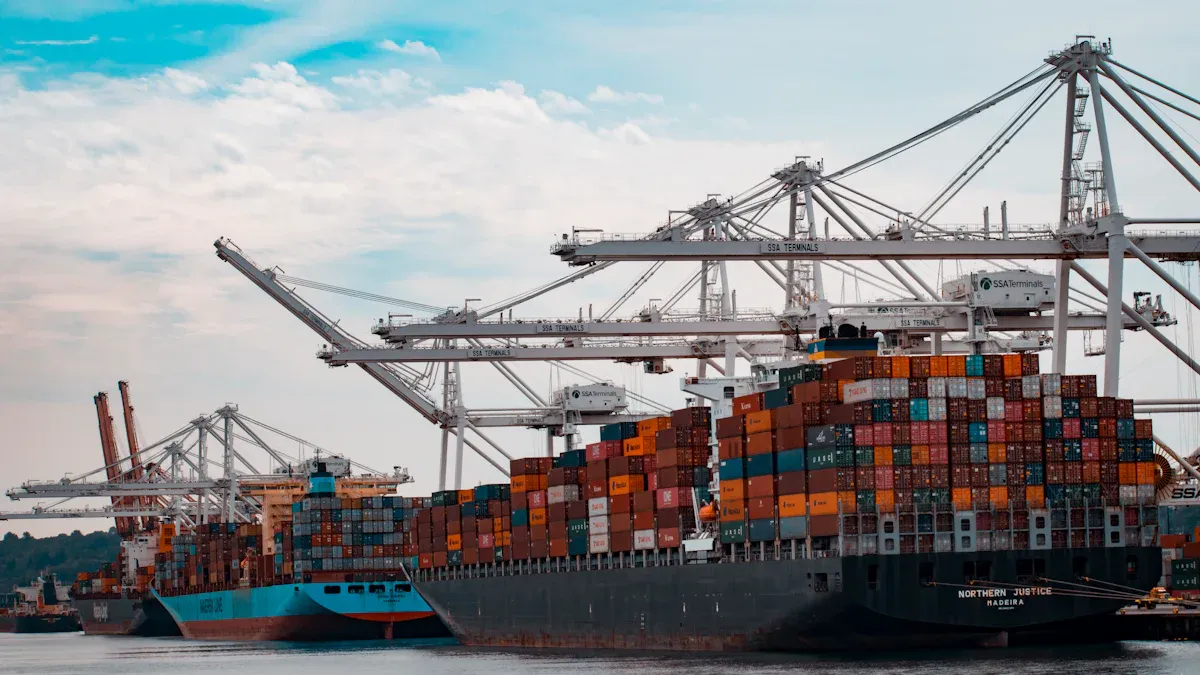
Sourcing products from overseas offers several advantages for American chain hotels. Here are some key benefits:
- Cost Savings: Overseas imports often come at a lower price. You can take advantage of cheaper labor and materials. This cost efficiency can significantly reduce your overall procurement expenses.
- Wide Variety: Global suppliers provide a vast range of options. You can find diverse styles, materials, and designs that may not be available locally. This variety allows you to create a unique atmosphere in your hotel.
- Large Production Capacity: Many overseas manufacturers can handle large orders. If you plan a significant renovation or expansion, these suppliers can meet your needs without delays. Their ability to scale production helps you stay on schedule.
- Established Supply Chains: Global suppliers often have well-established logistics networks. This efficiency can lead to timely deliveries, even for large orders. You can rely on these suppliers to maintain a steady flow of products.
Tip: When considering overseas imports, research potential suppliers thoroughly. Look for those with a good reputation for quality and reliability.
By understanding these advantages, you can make informed decisions about your procurement strategy. Overseas imports can provide cost savings and a broader selection, helping you enhance your hotel’s offerings.
Disadvantages of Overseas Imports
While overseas imports offer many benefits, they also come with significant drawbacks. Here are some key disadvantages you should consider:
- Quality Control Issues:
- You may face challenges with quality when sourcing from overseas. Different manufacturing standards can lead to inconsistent product quality. This inconsistency can affect your hotel’s reputation.
- Longer Lead Times:
- Shipping products from abroad takes time. You might experience delays due to customs or transportation issues. These delays can disrupt your renovation schedules and impact guest experiences.
- Communication Barriers:
- Language differences can complicate communication with overseas suppliers. Misunderstandings may arise, leading to errors in orders or specifications. Clear communication is crucial for successful procurement.
- Hidden Costs:
- While the initial price may seem low, hidden costs can add up. Import duties, taxes, and shipping fees can increase your overall expenses. You should factor these costs into your budget.
- Environmental Impact:
- Importing goods contributes to higher carbon emissions due to long-distance transportation. Many guests prefer eco-friendly practices. Sourcing locally can help you align with their values.
Tip: Before committing to overseas imports, weigh these disadvantages against the benefits. Consider how they align with your hotel’s goals and values.
By understanding these disadvantages, you can make more informed decisions about your procurement strategy. Balancing local and overseas sourcing can help you mitigate risks while maximizing benefits.
Current Trends in Procurement Strategies
As you navigate the procurement landscape, several trends are shaping how hotels source their products. Staying informed about these trends can help you make better decisions for your hotel.
- Sustainability Focus: Many hotels prioritize eco-friendly practices. You may notice a shift toward sourcing sustainable materials. This trend not only appeals to environmentally conscious guests but also enhances your hotel’s brand image.
- Technology Integration: Technology plays a crucial role in procurement. You can use software to streamline your purchasing processes. This integration helps you track orders, manage inventory, and communicate with suppliers more effectively.
- Local Sourcing Initiatives: A growing number of hotels are embracing local sourcing. You can support your community while reducing transportation costs. This trend also allows you to offer unique, locally made products that resonate with guests.
- Flexible Supply Chains: The recent global disruptions have highlighted the need for flexibility. You should consider diversifying your supplier base. This strategy can help you mitigate risks and ensure a steady supply of products.
- Data-Driven Decisions: Using data analytics can enhance your procurement strategy. You can analyze purchasing patterns and supplier performance. This insight allows you to make informed choices that align with your hotel’s goals.
Tip: Keep an eye on these trends. Adapting your procurement strategy can improve your hotel’s efficiency and guest satisfaction.
Comparative Analysis of Cost, Quality, and Sustainability
When you evaluate your procurement strategy, consider the three critical factors: cost, quality, and sustainability. Each factor plays a vital role in shaping your decisions. Here’s how local manufacturing and overseas imports compare across these dimensions.
Cost
- Local Manufacturing:
- Generally, local products come with higher price tags. You pay for craftsmanship and shorter shipping distances.
- However, you might save on shipping costs and potential import duties.
- Overseas Imports:
- These often offer lower prices due to cheaper labor and materials.
- Be cautious of hidden costs like shipping fees and tariffs. These can quickly add up and affect your budget.
Tip: Always calculate the total cost of ownership. This includes purchase price, shipping, and any additional fees.
Quality
- Local Manufacturing:
- You often receive higher quality products. Local artisans take pride in their work and maintain strict quality control.
- You can inspect products before purchase, ensuring they meet your standards.
- Overseas Imports:
- Quality can vary significantly. Some overseas manufacturers produce excellent goods, while others may not meet your expectations.
- Communication barriers can complicate quality assurance. Misunderstandings may lead to errors in orders.
Tip: Establish clear quality standards and communicate them to your suppliers. This step helps ensure you receive the products you expect.
Sustainability
- Local Manufacturing:
- Sourcing locally supports your community and reduces transportation emissions. This practice aligns with eco-friendly values.
- Many guests appreciate hotels that prioritize sustainability. This can enhance your brand image.
- Overseas Imports:
- Importing goods contributes to higher carbon footprints due to long shipping distances.
- However, some overseas manufacturers are adopting sustainable practices. Research potential suppliers to find those committed to eco-friendly production.
Tip: Consider the environmental impact of your sourcing decisions. Strive to balance cost and sustainability to meet guest expectations.
Summary Table
| Factor | Local Manufacturing | Overseas Imports |
|---|---|---|
| Cost | Higher initial costs | Lower initial costs |
| Quality | Generally higher quality | Variable quality |
| Sustainability | Lower carbon footprint | Higher carbon footprint |
By analyzing these factors, you can make informed decisions that align with your hotel’s goals. Balancing cost, quality, and sustainability will help you create a procurement strategy that meets your needs and enhances your guests’ experiences.
Recommendations for a Balanced Procurement Portfolio
Integrating Local Manufacturing for Hotel Furniture
You can enhance your hotel’s unique identity by integrating local manufacturing for hotel furniture. This approach allows you to support local artisans and businesses. Here are some strategies to consider:
- Identify Local Suppliers: Research local manufacturers who specialize in hotel furniture. Look for those with a strong reputation for quality and craftsmanship. You can visit their facilities to see their work firsthand.
- Customization Options: Work with local suppliers to create custom pieces that reflect your hotel’s brand. Customization can set your hotel apart and provide a unique experience for your guests.
- Shorter Lead Times: Local suppliers can often deliver products faster than overseas manufacturers. This speed helps you complete renovations or new projects on time. You can avoid delays that come with international shipping.
- Sustainability Practices: Many local manufacturers prioritize eco-friendly practices. By sourcing locally, you reduce transportation emissions and support sustainable business practices. This aligns with the values of many guests today.
- Build Relationships: Establish strong relationships with local suppliers. Good communication can lead to better service and reliability. You can work together to address any issues that arise during the procurement process.
Tip: Consider hosting events or showcasing local artisans in your hotel. This not only promotes local talent but also enhances your hotel’s community connection.
Leveraging Overseas Imports for Cost Efficiency
While local manufacturing has its benefits, leveraging overseas imports can provide significant cost savings. Here are some ways to effectively utilize overseas sourcing:
- Research Global Suppliers: Identify reputable overseas manufacturers that offer competitive pricing. Look for those with a proven track record of quality and reliability.
- Negotiate Bulk Orders: If you plan a large renovation, negotiate bulk orders with overseas suppliers. This strategy can lead to lower prices per unit and help you stay within budget.
- Evaluate Total Costs: Always consider the total cost of ownership. Factor in shipping fees, import duties, and potential delays. This evaluation helps you make informed decisions about your procurement strategy.
- Quality Assurance: Establish clear quality standards with your overseas suppliers. Communicate your expectations to avoid misunderstandings. Consider hiring third-party inspectors to ensure product quality before shipment.
- Diversify Your Supply Chain: Avoid relying solely on one supplier. Diversifying your sources can mitigate risks associated with global disruptions. This strategy ensures you maintain a steady flow of hotel furniture.
Tip: Stay updated on international trade policies. Changes in tariffs or regulations can impact your procurement costs.
By integrating local manufacturing and leveraging overseas imports, you can create a balanced procurement portfolio. This strategy allows you to enjoy the benefits of both sourcing methods while addressing your hotel’s unique needs.
A balanced procurement strategy is vital for your hotel’s success. It allows you to leverage both local and overseas resources effectively. Evaluate your specific needs and market conditions. This assessment helps you make informed decisions that enhance guest experiences while maintaining cost efficiency and quality.
FAQ
What are the main benefits of local manufacturing for hotels?
Local manufacturing supports the community, offers customization, ensures higher quality, and reduces shipping times.
How can overseas imports save costs for hotels?
Overseas imports typically provide lower prices due to cheaper labor and materials, helping you manage your budget effectively.
What should I consider when choosing suppliers?
Evaluate cost, quality, lead times, and sustainability practices to ensure your procurement strategy aligns with your hotel’s goals.
Post time: Mar-18-2026