
 joyce@taisenfurniture.com
 0086 15356090777


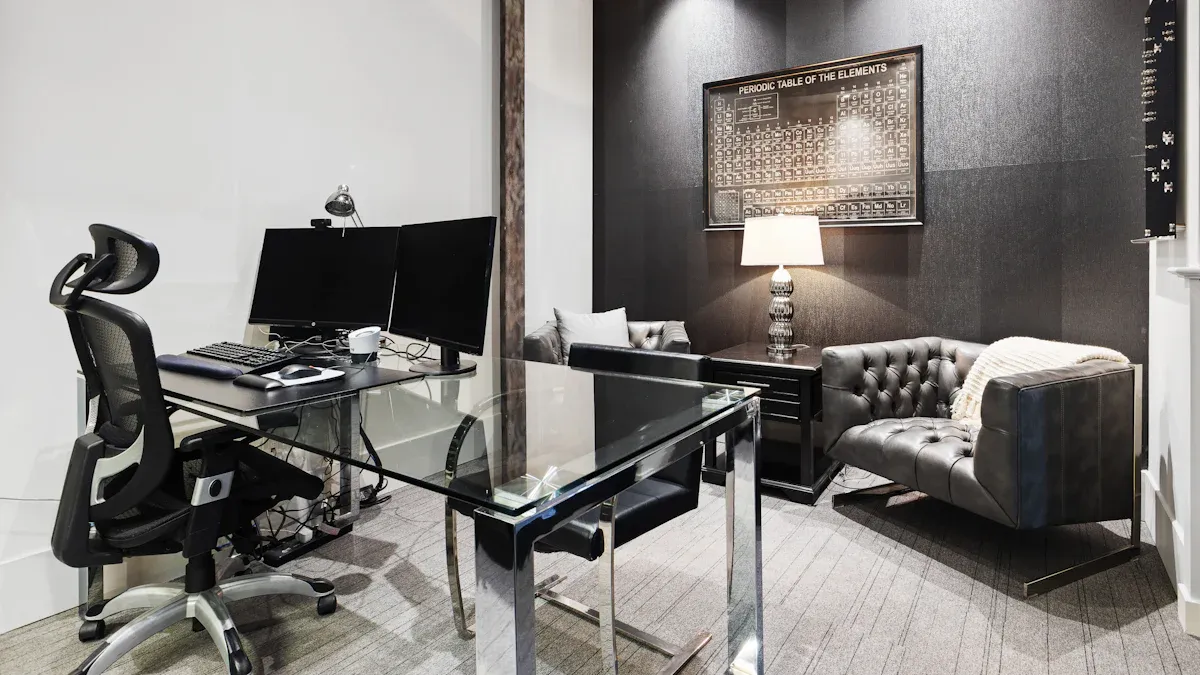
Adhering to US furniture regulations is critical for successful hotel operations. Non-compliant items directly impact guest safety and create significant legal challenges.
Common guest injuries directly attributable to non-compliant hotel furniture include those resulting from defective furniture or equipment, such as collapsing chairs, broken beds, or malfunctioning gym equipment.
Hotels must prioritize compliant hotel furniture selection to mitigate these risks and ensure guest well-being.
Key Takeaways
- Hotels must follow US furniture rules. This keeps guests safe. It also avoids legal problems.
- Key rules cover fire safety, access for disabled guests, and chemical emissions. Hotels must check these rules.
- Choose good suppliers. Ask for certifications. This helps ensure furniture meets all safety and legal standards.
Navigating Key US Regulations for Hotel Furniture
Selecting hotel furniture requires a thorough understanding of various US regulations. These standards ensure guest safety, accessibility, and environmental responsibility. Hotels must proactively address these requirements to avoid legal issues and maintain a positive reputation.
Understanding Flammability Standards for Hotel Furniture
Flammability standards represent a critical aspect of hotel safety. These regulations aim to prevent or slow the spread of fires, protecting guests and property. Several key standards govern upholstered furniture in US hotels.
- California TB 117-2013 (Cal 117): This standard sets safety requirements for upholstered seating. It assesses resistance to a cigarette ignition source. To pass, fabric must not smolder for more than 45 minutes, have a char length under 45mm, and not ignite into flames. Many US states and Canada follow this standard due to California’s significant market size and formal fire regulations.
- NFPA 260 / UFAC (Upholstered Furniture Action Council): This standard is commonly used for non-residential upholstery, including hotels. It requires the char length not to exceed 1.8 inches (45mm). The foam also cannot ignite when tested with a lower-density non-FR foam.
- California Bulletin 133 (CAL 133): This regulation specifically addresses the flammability of furniture used in ‘public spaces,’ such as government buildings and offices housing ten or more people. Unlike CAL 117, CAL 133 requires testing the entire piece of furniture, not just components. This accounts for various combinations of fabrics, padding, and frame materials.
- In 2021, a new federal safety standard for upholstered furniture fires went into effect. Congress mandated this standard in the COVID relief law. This federal standard adopts California’s furniture flammability standard, TB-117-2013, which specifically addresses smoldering fires.
Manufacturers must conduct various tests to certify compliance. These include:
- California Technical Bulletin (TB) 117-2013: This bulletin applies to cover fabrics, barrier materials, and resilient filling materials in upholstered furniture. It mandates specific flammability tests for cover fabric, barrier materials, and resilient filling material. Upholstered furniture passing these tests must bear a permanent certification label stating: ‘Complies with U.S. CPSC requirements for upholstered furniture flammability’.
- ASTM E1537 – Standard Test Method for Fire Testing of Upholstered Furniture: This standard sets a method for testing the fire response of upholstered furniture in public occupancies when exposed to a flame.
- NFPA 260 – Standard Methods of Tests and Classification System for Cigarette Ignition Resistance of Components of Upholstered Furniture: This standard sets methods for testing and classifying the resistance of upholstered furniture components to ignited cigarettes.
ADA Compliance in Hotel Furniture Selection
The Americans with Disabilities Act (ADA) ensures accessibility for all guests. Hotels must select and arrange hotel furniture to meet specific ADA guidelines, particularly for guest rooms.
- Bed Height: While ADA does not provide specific guidelines, hotels must ensure beds are usable by persons with disabilities. The ADA National Network recommends a bed height between 20 to 23 inches from the floor to the top of the mattress. Beds substantially higher than 20 inches may cause difficulty for wheelchair users. Some recommendations suggest the top of the mattress should be between 17 to 23 inches from the floor to allow for easy transfers.
- Desks and Tables: Accessible tables and desks must have a surface height no more than 34 inches and no less than 28 inches above the floor. They require at least 27 inches of knee clearance between the floor and the underside of the table. A 30-inch by 48-inch clear floor area is necessary at each accessible seating location, extending 19 inches under the table for leg and knee clearance.
- Clear Passageway and Floor Space: Beds, chairs, and other furniture must allow for at least 36 inches of clear passageway for mobility. At least one sleeping area must provide a clear floor space of 30 inches by 48 inches on both sides of the bed, allowing for a parallel approach. This clear floor space ensures guests can maneuver wheelchairs or other mobility aids.
- Electrical Outlets: Guests must be able to reach electrical outlets without substantial difficulty. Furniture placement should not obstruct access to these essential features.
Chemical Emission Standards for Hotel Furniture Materials
Chemical emissions from furniture materials can impact indoor air quality and guest health. Regulations and certifications address Volatile Organic Compounds (VOCs) and other harmful substances.
- VOC and Formaldehyde Limits: Standards like UL Greenguard Gold and CARB Phase 2 set permissible limits for emissions.
| Standard/Certification | Total VOC Limit | Formaldehyde Limit |
|---|---|---|
| UL Greenguard Gold | 220 mg/m3 | 0.0073 ppm |
| CARB 2 Hardwood Plywood | N/A | ≤0.05 ppm |
| CARB 2 Particleboard | N/A | ≤0.09 ppm |
| CARB 2 MDF | N/A | ≤0.11 ppm |
| CARB 2 Thin MDF | N/A | ≤0.13 ppm |
- Restricted Chemicals: Green Seal standard GS-33 for Hotels and Lodging Properties specifies restrictions for paints, which often interact with furniture materials. It sets VOC content limits for architectural paints. Additionally, paints should not contain heavy metals or toxic organic substances such as antimony, cadmium, lead, mercury, formaldehyde, and phthalate esters.
- Greenguard Certification: This independent certification rigorously tests materials for harmful emissions like formaldehyde, VOCs, and carbon monoxide. It helps ensure products, including furniture, meet indoor air quality requirements.
General Product Safety and Stability for Hotel Furniture
Beyond flammability and chemical emissions, general product safety and stability are paramount. Furniture must be safe for everyday use, preventing injuries from tip-overs, structural failures, or hazardous materials.
- Stability and Tip-Over Resistance: Furniture, especially tall items like wardrobes and dressers, must be stable to prevent tip-over accidents. These accidents pose a significant hazard, particularly for children. The CPSC adopted the ASTM F2057-23 voluntary standard as a mandatory safety standard on April 19, 2023, to prevent furniture tip-overs. This standard applies to freestanding clothing storage units 27 inches or taller. Key performance requirements include stability tests on carpeting, with loaded drawers, with multiple drawers open, and simulating the weight of children up to 60 pounds. The unit must not tip over or be supported solely by an opened drawer or door during testing.
- Materials Safety and Toxicity: Furniture materials (wood, upholstery, metals, plastics, foam) should be free from toxic chemicals. Certifications like Greenguard Gold and regulations like California Proposition 65 ensure material safety. Regulations address concerns like lead in paint, formaldehyde in composite wood products, and bans on certain flame retardants.
- Structural Integrity: The construction, including the frame, joints, and materials, must ensure durability. This prevents issues like collapsing or warping. Quality joints (e.g., dovetail, mortise and tenon), strong materials (hardwoods, metals), and appropriate weight capacity ratings are essential.
- Mechanical Hazards: Furniture should prevent hazards from mechanical components. Sharp edges, protruding parts, and unstable construction can cause injuries. Regulatory authorities like the CPSC establish standards for items such as children’s folding chairs and bunk beds to address these risks.
Local Building Codes and Fire Marshal Requirements for Hotel Furniture
Local building codes and fire marshal requirements often dictate how hotels arrange furniture, particularly concerning egress pathways and fire safety. While general building codes focus on structural integrity and overall fire systems, fire marshals specifically enforce clear pathways.
- Egress Pathways: Emergency exits must remain completely unobstructed with a clear width of at least 28 inches. Any reduction in clear width, any obstruction (like storage, furniture, or equipment), or any locked door requiring a key to exit constitutes an immediate violation. Security staff often conduct continuous patrols in common areas and guest room floors to report obstructions, particularly those blocking emergency egress routes.
- Furniture Obstruction: Hotels must ensure furniture placement does not impede evacuation routes. Common reasons for obstruction include using exits as storage during renovations or temporary stacking of supplies. These actions turn the egress system into a liability.
- Specific Regulations: New York City’s fire safety and evacuation plans cover building statistics, stairwells, elevators, ventilation, and diagrams. However, they do not specifically regulate furniture placement. Similarly, Los Angeles building codes focus on general objectives like safeguarding life and property, without specific details on furniture placement for fire safety. Therefore, hotels must primarily adhere to general fire safety principles and fire marshal directives regarding clear egress.
A Strategic Approach to Compliant Hotel Furniture Procurement

Procuring compliant hotel furniture requires a systematic and informed approach. Hotels must move beyond aesthetic considerations and prioritize safety, accessibility, and regulatory adherence from the outset. This strategic procurement process minimizes risks and ensures a safe, comfortable environment for all guests.
Due Diligence in Identifying Applicable Regulations for Hotel Furniture
Hotels must conduct thorough due diligence to identify all applicable regulations. This proactive research ensures that all furniture selections meet current legal requirements. Governments and international bodies are implementing stricter regulations on materials, production processes, and sustainability practices in furniture manufacturing. These changes significantly impact the hotel furniture market. Hotels can research current and upcoming regulatory changes by consulting various reliable sources. These sources include government agencies, regulatory bodies, reputable databases and directories (such as Bloomberg, Wind Info, Hoovers, Factiva, and Statista), and industry associations. Staying informed about these evolving standards is crucial for long-term compliance.
Selecting Reputable Vendors for Compliant Hotel Furniture
Choosing the right vendor is a critical step in ensuring furniture compliance. Hotels should evaluate potential suppliers based on several key criteria. They must look for suppliers with a proven track record and industry reputation. These suppliers should have years of experience in the hotel sector. They must also provide evidence of successful collaborations and consistently meet deadlines. Customer testimonials, case studies, and factory visits offer valuable insights into a vendor’s expertise and reliability.
Furthermore, hotels must ensure the supplier adheres to stringent safety and industry standards. This includes fire retardancy, toxicity limits, and ergonomic design. Vendors should provide certifications like ISO standards, fire safety certificates, or relevant regional approvals. These documents protect guests and the hotel business from liabilities. Assessing the manufacturer’s market presence and established history is also important. Experienced suppliers often have streamlined processes and a deep understanding of hospitality demands. They also have a portfolio of completed projects. Checking reviews, requesting references, and visiting past installations can confirm their reliability.
When engaging with vendors, hotels should ask specific questions to verify their understanding and adherence to US hotel furniture regulations. These questions include inquiries about fire retardancy tests mandated by the National Fire Protection Association (NFPA) for upholstered furniture. Hotels should also ask about BIFMA Standards for structural integrity and durability, applicable to various furniture pieces like sofas, side tables, and bar stools. Vendors must also comply with ASTM Standards and American National Standards Institute (ANSI) benchmarks covering fire resistance and structural integrity. Other important questions concern flammability standards, ignition resistance, fire safety regulations, and ADA compliance.
Specifying Materials for Safe and Compliant Hotel Furniture
Material specification directly impacts the safety and compliance of hotel furniture. Hotels must select materials that meet stringent flammability and durability standards. For fire-retardant fabrics and foams, upholstered furniture and mattresses in public occupancies must meet flammability criteria established by ASTM E 1537 or California Technical Bulletin 133. Mattresses specifically require compliance with California Technical Bulletin 129. California Technical Bulletin 133 is the prescribed test method for furniture flammability in public occupancy areas. While California Technical Bulletin 117 is a mandatory standard for residential upholstered furniture, many public occupancies contain furnishings that only meet this standard. Other relevant tests include NFPA 701 Test 1 for drapery, NFPA 260 for upholstery, and ASTM E-84 Adhered for wall coverings. NFPA 260 measures the resistance of upholstery fabric to ignition by a smoldering cigarette. NFPA 701 Test #1 classifies fabrics for curtains and other hanging textiles. CAL/TB 117 classifies upholstery fabrics, particularly for use within California.
For durable and compliant hotel furniture construction, specific materials offer superior performance. Hardwoods like Ipe, Teak, Oak, Cherry wood, Maple, Acacia, Eucalyptus, and Mahogany provide density, strength, and long-term durability. High-quality bamboo laminates and premium plywood also offer strong, stable performance. For plastics, structural-grade HDPE is most reliable due to its stability, strength, and weather resistance. Polycarbonate provides exceptional impact strength, and ABS delivers a clean, rigid structure in controlled environments. Metals such as stainless steels (304 and 316) provide long-lasting strength and excellent corrosion resistance. Cold-rolled steel offers strong, precise, cost-effective structural performance, and extruded aluminum (6063) delivers lightweight strength and design flexibility. These materials ensure furniture can withstand heavy use and maintain structural integrity over time.
Essential Documentation and Certification for Hotel Furniture
Maintaining comprehensive documentation and certifications is crucial for demonstrating compliance during audits. Hotels should request specific certifications from furniture manufacturers. These include BIFMA LEVEL® certification, FEMB level certification, UL GREENGUARD Certification (and UL GREENGUARD Gold Certification), and BIFMA M7.1 Testing for VOC Emissions from Office Furniture and Seating. California Proposition 65 Compliance Services and Environmental Product Declaration Certification are also important.
For audit purposes, hotels must maintain a range of essential documentation. This includes third-party test reports, Material Certificates of Analysis (COAs), finish data sheets, and packaging specifications. A written structural warranty, typically 3-5 years for contract items, is also necessary. Hotels should keep material approval documentation, such as veneer/fabric swatches with test data, and finish panel approvals. Production-representative pilot unit approvals are also important. Documentation for ISO 9227 salt spray exposure for hardware, where corrosion risk exists, is vital. Flammability compliance documentation, including California TB117-2013 requirements and labeling, and NFPA 260 component classifications, must be readily available. Emissions compliance documentation, such as TSCA Title VI compliance, labels, and import documentation per EPA program guidance, and E1 classification verified by EN 717-1 chamber method, are also required. Supplier-provided TSCA Title VI labels for composite panels and TB117-2013 labels and fabric test data are essential. Finally, documentation for applicable seating standards (e.g., BIFMA X5.4, EN 16139/1728) and third-party reports and labeling/lab compliance per EPA TSCA Title VI program pages for U.S.-bound goods are necessary.
Installation and Placement Guidelines for Hotel Furniture Compliance
Proper installation and placement of furniture are vital for guest safety and compliance with accessibility standards. Hotels must anchor furniture and televisions to walls or floors using brackets, braces, or wall straps. They must ensure anchors are secured to wall studs for maximum stability. Installing child-resistant locks on drawers prevents them from being pulled out and used as climbing steps. Placing heavier items on lower shelves or drawers lowers the center of gravity. Hotels should avoid placing heavy objects, like televisions, on top of furniture not designed to support such loads. Keeping children’s toys, books, and other items on lower shelves discourages climbing. Regularly assessing the placement of furniture minimizes hazards. Hotels should inspect furniture every 6 months for wobbling or instability, loose screws or gaps in joints, and anchors pulling away from walls. Installing L-shaped brackets on the back of tall cabinets and TV stands provides secure wall or floor anchoring. Using high-strength cold-rolled steel or carbon steel rated S235 or higher for structural components, with reinforced welds at stress points, enhances durability. Designing access ports for bolt inspection allows regular checks of fasteners and quick replacement of loose or damaged parts. Modular furniture structures facilitate on-site component replacement, reducing maintenance difficulty and cost.
| Certification/Standard | Scope | Main Content |
|---|---|---|
| ASTM F2057-19 | Anti-tip test for furniture | Simulates tip-over risks under various loads and impacts, requiring structural integrity during testing. |
| BIFMA X5.5-2017 | Strength and safety tests for commercial sofas and lounge chairs | Includes fatigue, impact, and fire resistance tests to ensure safety over long-term use. |
For furniture placement, hotels must maintain clear egress paths and ADA accessibility in rooms and common areas. Common use circulation paths within employee work areas must comply with a minimum 36-inch width. Exceptions to this requirement include areas less than 1000 square feet defined by permanent fixtures and paths around work area equipment that is an integral part of the work area. Protruding objects must not project more than 4 inches onto any circulation path, including those in employee areas, to ensure safety for visually impaired individuals. Accessible pathways must be at least 36 inches wide. If a 180-degree turn is made around an element less than 48 inches wide, the clear width must be at least 42 inches approaching and exiting the turn, and 48 inches at the turn itself. Door openings in accessible areas must provide a minimum clear width of 32 inches. For swinging doors, this measurement is taken between the face of the door and the doorstop when the door is open at 90 degrees. Door openings deeper than 24 inches require a minimum clear opening of 36 inches. An accessible route to each accessible table must include a clear floor area of 30 by 48 inches at each seating location, with 19 inches of this area extending under the table for leg and knee clearance. At least one sleeping area must provide a clear floor space of at least 30 by 48 inches on both sides of the bed, positioned for a parallel approach.
Avoiding Common Pitfalls in Hotel Furniture Compliance
Hotels often encounter various pitfalls when procuring furniture. Understanding these common mistakes helps ensure full compliance and guest safety.
The Risk of Overlooking Local Variations in Hotel Furniture Laws
Federal regulations provide a baseline, but local laws often impose additional, stricter requirements. Hotels must research specific state and municipal codes. For example, California has unique furniture regulations. California Technical Bulletin 117, updated in 2013, mandates specific smolder resistance standards for upholstered furniture components. California also requires ‘law labels’ on upholstered furniture, detailing filling materials and certification statements, which differ from federal standards. Furthermore, California Proposition 65 demands warnings if furniture contains substances known to cause cancer or reproductive harm, such as formaldehyde or lead, exceeding safe harbor limits.
Why “Commercial Grade” Doesn’t Always Mean Compliant Hotel Furniture
The term “commercial grade” does not automatically guarantee full compliance for hotel use. While commercial-grade hospitality furniture withstands high traffic better than retail items, it may not meet all stringent hotel-specific standards. Hotel-specific compliant furniture, also known as contract furniture, undergoes rigorous ANSI/BIFMA certification testing. This ensures adherence to industry-specific regulations for safety, fire, and accessibility. For instance, GREENGUARD Gold certification sets lower VOC limits and includes health-based criteria for sensitive populations, exceeding general GREENGUARD standards. Additionally, compliant furniture often meets fire safety standards like CAL 133, a severe flammability test for seating products.
The Impact of Maintenance and Wear on Hotel Furniture Compliance
Even initially compliant furniture can become non-compliant due to wear and tear. Regular maintenance is crucial. Indicators of wear include loose joints and frame wobbling, visible as gaps or movement under pressure. Peeling veneers and paint, characterized by lifting edges or bubbling surfaces, also signal deterioration. Sharp edges, rough finishes, sagging cushions, and poor stitching can create safety hazards. Hotels must regularly inspect furniture to identify and address these issues, preventing potential injuries and maintaining compliance.
Long-Term Costs of Budget-Driven Hotel Furniture Compromises
Opting for lower-quality furniture to save money initially often leads to higher long-term costs. Such budget-driven compromises necessitate earlier replacement, especially in high-traffic hotel environments. Sustainable hotel furniture, though a higher initial investment, significantly reduces maintenance and replacement costs due to its inherent durability. Poorly maintained or visibly degraded furniture can also increase legal exposure. This makes it easier for plaintiffs to argue negligence in liability cases, particularly if the furniture fails to comply with safety or accessibility regulations.
Hotels ensure compliant furniture through diligent research, reputable vendor selection, and precise material specification. They maintain essential documentation and follow strict installation guidelines. Proactive compliance safeguards guests and elevates the hotel’s reputation. Continuous vigilance in furniture selection and maintenance remains paramount for sustained safety and operational excellence.
FAQ
What is the most critical regulation for hotel furniture flammability?
California TB 117-2013 is a crucial standard. It assesses upholstered furniture’s resistance to cigarette ignition. Many states adopt this standard.
How does ADA compliance affect hotel bed selection?
ADA compliance requires accessible bed heights. The ADA National Network recommends a bed height between 20 to 23 inches from the floor to the top of the mattress for easy transfers.
Why is “commercial grade” not always sufficient for hotel furniture?
“Commercial grade” furniture may not meet all stringent hotel-specific standards. Hotel-specific compliant furniture undergoes rigorous ANSI/BIFMA certification testing for safety, fire, and accessibility.
Post time: Dec-23-2025