
 joyce@taisenfurniture.com
 0086 15356090777



In 2026, hotel furniture costs vary widely based on quality and design. You can expect to pay anywhere from a few hundred to several thousand dollars for each piece. Factors like material choice and brand reputation significantly impact these prices. Understanding these elements helps you make informed purchasing decisions.
Key Takeaways
- Hotel furniture prices vary widely based on quality and design, ranging from $200 to $5,000 per piece. Understanding these price ranges helps you budget effectively.
- Focus on essential items first when furnishing your hotel. Prioritize beds, seating, and tables to ensure guest comfort and functionality.
- Consider both domestic and overseas manufacturing options. Domestic furniture often offers better quality but at a higher price, while overseas options may be cheaper but can involve longer lead times.
Average Costs of Hotel Furniture by Tier
Luxury Hotels
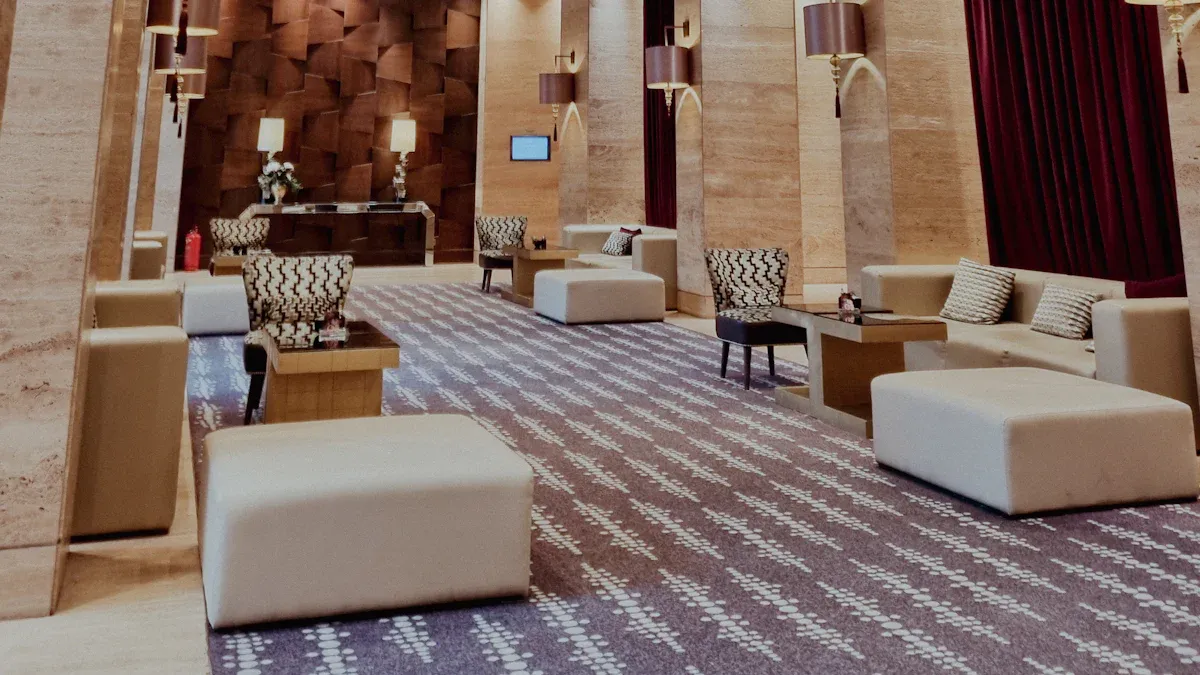
In luxury hotels, you can expect to pay a premium for high-quality hotel furniture. Prices for items like beds, chairs, and tables can range from $1,500 to $5,000 per piece. Luxury hotels often choose custom designs and high-end materials. For example, a king-size bed with a designer headboard may cost around $3,500. Additionally, unique accent chairs can range from $1,200 to $2,500. Investing in quality hotel furniture enhances the guest experience and reflects the hotel’s brand.
Mid-Range Hotels
Mid-range hotels offer a balance between quality and affordability. Here, hotel furniture prices typically range from $500 to $1,500 per piece. For instance, a standard queen bed might cost around $800, while a dining table could be priced at $1,200. These hotels often select durable materials that withstand heavy use but do not compromise on style. You can find comfortable seating options for around $600 to $900, making it easier to furnish your hotel without overspending.
Budget Hotels
Budget hotels focus on providing essential amenities at lower prices. Hotel furniture in this tier usually costs between $200 and $800 per piece. A basic twin bed may only set you back about $300, while a simple desk could cost around $250. While the furniture may not have the same luxurious feel, it still needs to be functional and durable. You can find affordable options that meet your needs without sacrificing quality.
By understanding the pricing differences across these tiers, you can make informed decisions when selecting hotel furniture that aligns with your budget and brand identity.
Key Factors Influencing Hotel Furniture Pricing
Material Quality
The quality of materials directly impacts the price of hotel furniture. Higher-quality materials often lead to higher costs. For example, solid wood furniture typically costs more than particleboard options. Here are some common materials and their effects on pricing:
- Solid Wood: Durable and long-lasting, but expensive.
- Plywood: A more affordable option that still offers decent quality.
- Metal: Often used for frames and bases, metal can vary in price based on the type and finish.
- Upholstery Fabrics: High-end fabrics like leather or performance textiles increase costs significantly.
Investing in quality materials can enhance the guest experience and reduce long-term replacement costs.
Design Complexity
The complexity of the design also plays a crucial role in determining the price of hotel furniture. Custom designs or intricate details require more labor and time, which raises costs. Consider these factors when evaluating design complexity:
- Customization: Tailored pieces often come with a higher price tag.
- Intricate Details: Furniture with elaborate carvings or unique shapes costs more due to the craftsmanship involved.
- Functionality: Multi-functional furniture, like sofa beds or modular seating, may have higher prices due to their versatility.
Choosing simpler designs can help you stay within budget while still providing stylish options.
Manufacturing Location
Where the furniture is manufactured can significantly affect its price. Domestic manufacturing often leads to higher costs due to labor and material expenses. In contrast, overseas production can offer lower prices but may come with trade-offs. Here are some points to consider:
- Domestic Manufacturing: Supports local economies and often ensures higher quality control, but prices are typically higher.
- Overseas Manufacturing: Can reduce costs, but you may face longer lead times and potential quality issues.
- Shipping Costs: Importing furniture from overseas adds shipping fees, which can impact your overall budget.
Understanding these factors helps you make informed decisions about where to source your hotel furniture.
Effective Budgeting Strategies for Hotel Furniture
Setting a Realistic Budget
Creating a budget for hotel furniture requires careful planning. Start by assessing your overall budget for furnishing your hotel. Break down the total amount into categories, such as guest rooms, dining areas, and common spaces. This approach helps you allocate funds effectively. Consider setting aside 10-20% of your total budget for unexpected expenses. This cushion can prevent financial strain later.
Prioritizing Essential Items
When furnishing your hotel, focus on essential items first. Identify which pieces are crucial for guest comfort and functionality. For example, prioritize beds, seating, and tables. Once you secure these essentials, you can explore decorative items and upgrades. Make a list of must-have items and rank them based on importance. This strategy ensures you spend wisely and create a welcoming environment for your guests.
Exploring Financing Options
If your budget falls short, consider financing options. Many suppliers offer payment plans or financing programs that allow you to spread costs over time. Research different financing options to find one that suits your needs. Additionally, look for grants or loans specifically designed for hospitality businesses. These resources can provide the financial support you need to invest in quality hotel furniture without overwhelming your budget.
By implementing these budgeting strategies, you can effectively manage your expenses while creating a stylish and functional hotel environment.
Domestic vs. Overseas Hotel Furniture Manufacturing
Cost Comparisons
When you consider where to source your hotel furniture, cost plays a significant role. Domestic manufacturing often comes with higher prices. Labor costs and material expenses in the U.S. can drive up the price of each piece. In contrast, overseas manufacturing typically offers lower prices. Countries with lower labor costs can produce furniture at a fraction of the price. However, you should factor in shipping costs when importing furniture. These fees can add up quickly, impacting your overall budget.
Quality Considerations
Quality varies between domestic and overseas manufacturers. Domestic furniture often meets higher quality standards. You can expect better craftsmanship and materials. On the other hand, overseas options may lack consistency. Some manufacturers produce high-quality items, while others may cut corners to save costs. Always research suppliers and request samples to ensure you receive quality hotel furniture that meets your standards.
Lead Times and Logistics
Lead times can differ significantly based on manufacturing location. Domestic suppliers usually offer shorter lead times. You can receive your furniture faster, which is crucial for timely hotel openings. Conversely, overseas manufacturing often involves longer lead times due to shipping and customs clearance. This delay can affect your project timeline. Consider your schedule when deciding where to source your hotel furniture.
In 2026, hotel furniture costs vary by tier and quality. You must consider material, design, and manufacturing location when budgeting. Focus on essential items first. Stay informed about market trends to make smart purchasing decisions. This knowledge will help you create a stylish and functional hotel environment.
FAQ
What factors affect hotel furniture prices?
Material quality, design complexity, and manufacturing location significantly influence hotel furniture prices.
How can I save on hotel furniture costs?
You can save by prioritizing essential items, exploring financing options, and considering overseas manufacturers.
What is the average lifespan of hotel furniture?
Most hotel furniture lasts between 5 to 10 years, depending on usage and material quality.
Post time: Apr-08-2026