
 joyce@taisenfurniture.com
 0086 15356090777


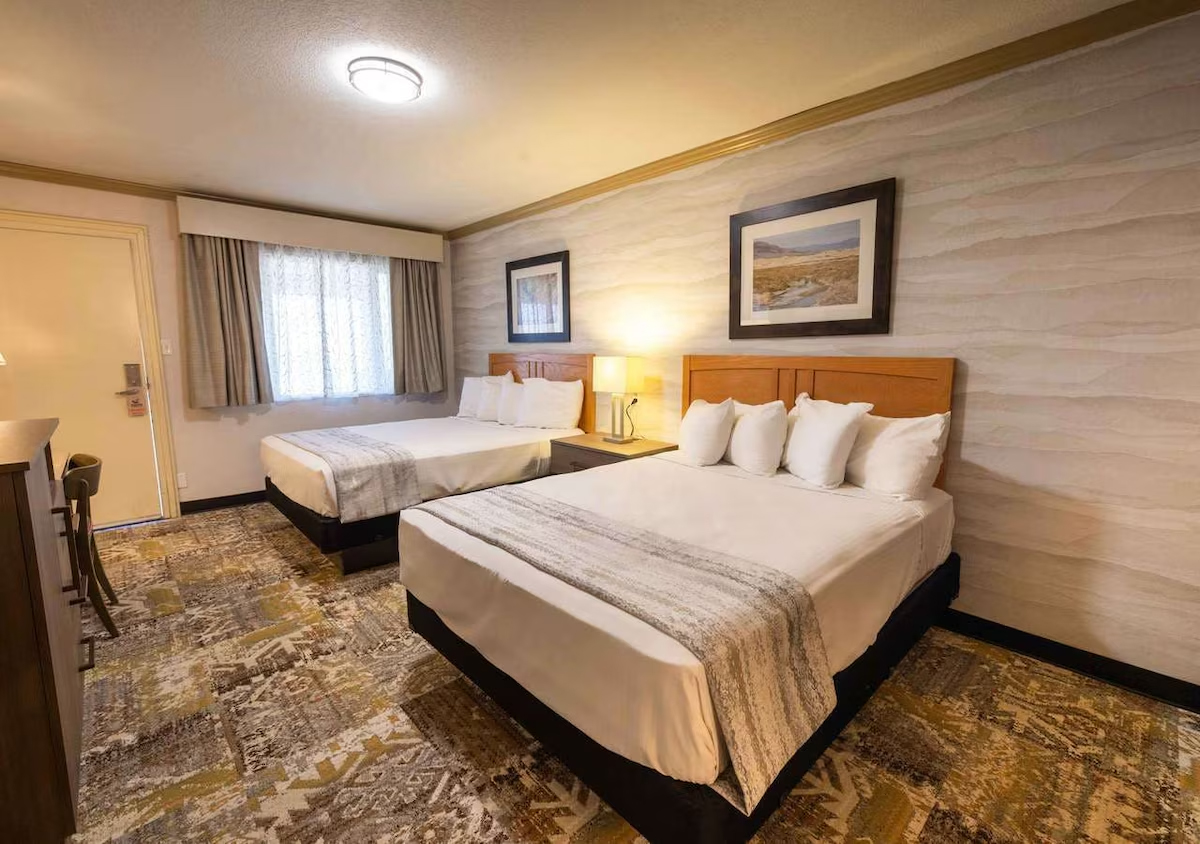
A growing share of hotel guests are over 65, and many of them travel specifically for wellness: thermal spas, quiet retreats, low-impact fitness and restorative sleep. For these travellers, a hotel is not just a place to sleep; it is a place to recover, recharge and maintain independence. Senior-focused wellness hotels must therefore deliver furniture that does two things at once: it must be fully accessible for guests with reduced mobility, strength and balance, and it must provide sustained pressure relief that protects skin, circulation and joints during long periods of sitting or lying. These two requirements are deeply connected. A chair that is too low or too soft is difficult to exit safely. A mattress or cushion that is too firm creates pressure points that disrupt sleep and recovery. A room that lacks proper clearances makes a guest feel trapped rather than cared for. This article examines how hospitality buyers should specify furniture for senior wellness hotels, covering accessibility standards, pressure-relief foam architecture, zone-by-zone specification, materials and safety, and the testing and mock-up process that protects both the guest and the asset.
Why Senior-Focused Hotel Furniture Matters
The Rise of the Senior Wellness Traveller
The global population is ageing, and so is the travel market. Longer life expectancies, higher disposable incomes among retirees and a stronger cultural emphasis on healthy ageing have all contributed to a steady growth in senior travel. Many of these travellers are not just sightseeing; they are actively seeking wellness experiences that support mobility, circulation, joint health and sleep quality. This has driven a wave of new wellness hotels, spa resorts and age-friendly retreat properties. For the operators of these properties, furniture is not an afterthought. It is the physical interface between the guest and the entire wellness promise. A senior guest who cannot sit down or stand up comfortably from the lounge furniture, or who wakes with pressure-induced discomfort, will not return, regardless of how good the spa is.
Accessibility and Pressure Relief Are Connected
Accessibility and pressure relief are often discussed as separate topics, but in senior-focused furniture they are two halves of one system. Accessibility governs whether a guest can safely transfer their body in and out of furniture and move around the room. Pressure relief governs whether the body is supported evenly once the guest is seated or lying down. A chair can be fully ADA-compliant in height yet still uncomfortable to sit in for more than a few minutes because the cushion creates pressure points. Conversely, a deeply cushioned, pressure-relieving chair can be nearly impossible for a senior guest to rise from if the seat is too low or too soft. Effective senior-focused specification must therefore be engineered holistically, balancing clearance, height, firmness, support and ease of transfer in every single piece.
The Cost of Getting It Wrong
Getting senior-focused furniture wrong carries both safety and commercial consequences. Falls are a leading cause of injury among older adults, and a poorly designed chair, bed or nightstand can contribute to a fall. A single serious incident can damage a hotel’s reputation, trigger liability claims and discourage the entire senior segment from booking. Beyond safety, discomfort drives churn. Seniors who find furniture painful to use will not return and will share their experience with a highly networked age demographic. Correctly specified furniture, by contrast, protects the guest, reduces operational risk and builds the loyalty of a fast-growing, high-value travel segment.
Accessibility Standards That Protect Mobility
ADA Clearances and Reach Ranges
The foundation of accessible furniture design is dimensional standards. In North America, the Americans with Disabilities Act (ADA) sets clear rules for clearances, reach ranges and transfer surfaces. In other markets, similar standards such as the UK’s Building Regulations Part M or the European accessibility guidelines provide equivalent benchmarks. For hotel furniture, several dimensions matter most. Clear floor space must allow a wheelchair user to approach and use furniture. A standard clear floor space of at least 30 by 48 inches (76 by 122 cm) is a common requirement. Reach ranges govern where critical elements, such as desk surfaces, light switches, telephone controls and drawer pulls, must be positioned so that a seated user can access them without stretching or standing. Armrests and transfer surfaces must be placed at heights that support a safe transfer from a wheelchair.
Seat Height and Transfer Surfaces
Seat height is the single most important accessibility dimension for senior seating. A seat that is too low forces a senior guest into a deep, unstable crouch when rising, increasing fall risk. A seat that is too high is difficult to reach from a standing or wheelchair position. The accessibility standard for accessible seating generally recommends a seat height between 17 and 19 inches (43 to 48 cm), which supports safe transfers from wheelchairs and walkers. Seat depth must also be considered. A seat that is too deep prevents a shorter senior guest from sitting back fully against the backrest, reducing lumbar support and increasing pressure on the thighs. Armrests play a critical role in transfer safety, providing a stable surface that the guest can push against when rising.
Table: Accessibility Dimensions for Senior-Focused Hotel Furniture
| Furniture Element | Recommended Dimension | Purpose |
|---|---|---|
| Seat Height (accessible seating) | 17 – 19 in (43 – 48 cm) | Safe transfer from wheelchair or walker |
| Clear Floor Space | 30 x 48 in (76 x 122 cm) | Allow wheelchair approach and positioning |
| Armrest Height | 25 – 31 in (64 – 79 cm) above floor | Stable leverage for rising and sitting |
| Table/Counter Height | 28 – 34 in (71 – 86 cm) | Reachable from a seated position |
| Bed Transfer Height | 19 – 21 in (48 – 53 cm) | Ease of transferring onto and off the bed |
| Minimum Aisle Clearance | 36 in (91 cm) | Unobstructed circulation for mobility aids |
Pressure Relief: Foam and Support Architecture
Understanding Pressure Distribution
When a person sits or lies for an extended period, body weight is concentrated at specific points: the tailbone, hips, shoulder blades and heels. In healthy individuals, normal movement shifts these pressure points continuously. In older adults, reduced mobility, muscle loss and thinner skin make pressure distribution more critical. Sustained pressure at a single point restricts blood flow, can cause discomfort and, in severe cases, contributes to pressure injuries. Pressure-relief furniture redistributes body weight over a larger surface area, reducing peak pressure at any single point and allowing better circulation and comfort during extended sitting or sleeping.
IFD, Density and the Support Factor
Pressure relief is engineered through the foam and support architecture of the cushion or mattress. The two most important specifications are foam density and Indentation Force Deflection (IFD). Density measures the weight of foam per unit volume and largely determines durability and how well the foam holds its shape. IFD measures the force required to compress a foam sample by a given percentage, indicating how firm or soft the foam feels. For senior-focused pressure relief, the goal is a layered architecture. A firm base layer provides structural support and prevents the guest from sinking too deeply. A softer comfort layer redistributes pressure over a wider area. The Support Factor, the ratio of IFD at 65 percent compression to IFD at 25 percent, indicates how well the foam supports progressively heavier loads. A higher Support Factor means the foam feels soft on initial contact but firms up to support deeper body weight, which is ideal for accommodating a range of senior body types.
Table: Pressure-Relief Foam Specifications for Senior Wellness Furniture
| Foam Parameter | Recommended Specification | Rationale |
|---|---|---|
| Base Layer Density | 2.5 – 3.0 lbs/cu ft | Structural longevity and shape retention |
| Base Layer IFD | 35 – 45 lbs | Firm support without bottoming out |
| Comfort Layer IFD | 12 – 18 lbs | Soft initial yield and pressure redistribution |
| Support Factor | 2.0 or higher | Progressive support for varied body weights |
| Cell Structure | High-resilience, semi-closed | Reduced odor retention and sustained resilience |
| Compression Set | < 10% at 90% deflection | Long-term shape retention under repeated use |
Furniture Zones for Senior Comfort
Senior-focused furniture must be specified zone by zone, because each area of the room serves a different physical need.
Bed and Bedside
The bed is the most used furniture in a senior guest room and the most important for pressure relief and accessibility. A senior-friendly bed should have a transfer height of roughly 19 to 21 inches, low enough to step or transfer onto comfortably but high enough to rise from without excessive strain. The mattress should use a pressure-relief foam architecture, typically with a firmer base and a softer comfort layer, to redistribute weight and reduce pressure points during sleep. Adjustable bed bases, which raise the head and foot sections, are increasingly specified in senior and wellness hotels because they support reading, eating and easier breathing, and reduce the strain of lying fully flat. The bedside area should include a nightstand with accessible reach, adequate clear floor space and, where appropriate, integrated grab bar support. Bedside lighting controls should be reachable from a seated or lying position.
Seating and Lounging
Seating is where accessibility and pressure relief come together most visibly. Senior-friendly lounge and arm chairs should feature a seat height of 17 to 19 inches, a seat depth that allows the guest to sit fully back against the backrest, supportive armrests at a usable height and a backrest with lumbar support. The cushion should use a layered pressure-relief foam architecture. A common design uses a firmer base foam for support and a softer comfort topper for pressure distribution. The chair should be stable and non-swiveling in most senior settings, because a swivel mechanism can increase instability for a guest with balance concerns. In dining and activity areas, chairs should be lightweight enough to move but stable enough to support safe sitting and rising.
Bathroom-Adjacent and Activity Furniture
Furniture that supports the bathroom and wellness activities also requires senior-focused specification. Dressing benches and vanity stools should be stable, with a height that supports sitting and rising during dressing and grooming. Activity furniture, such as dining tables, card tables and lounge groupings in wellness lobbies, should be height-accessible from a seated position and should not require excessive reaching. In spa and thermal areas, waterproof and moisture-resistant furniture with slip-resistant surfaces reduces fall risk in wet environments. In every zone, sharp edges should be avoided or rounded, and surfaces should be easy to clean without harsh chemical maintenance that could compromise comfort or safety.
Table: Zone-by-Zone Senior Wellness Furniture Decisions
| Guest Room Zone | Key Priority | Recommended Specification |
|---|---|---|
| Bed & Bedside | Pressure relief + transfer ease | 19 – 21 in transfer height, adjustable base option |
| Seating & Lounge | Safe ingress/egress + comfort | 17 – 19 in seat, layered foam, supportive armrests |
| Desk & Dressing | Reachability + stability | Accessible reach range, stable non-slip stool |
| Spa / Wet Areas | Slip resistance + waterproofing | Slip-resistant, moisture-proof surfaces |
Materials and Safety Considerations
Fall-Risk Mitigation
Fall risk is the central safety concern in senior-focused design. Several furniture strategies reduce it. First, maintain adequate clearances so mobility aids and guests can move freely without navigating around obstacles. Second, use stable furniture with a low centre of gravity, avoiding pieces that tip easily. Third, eliminate sharp corners and edges, using rounded profiles on tables, nightstands and casegoods. Fourth, ensure chairs and benches do not shift when a guest applies weight to an armrest when rising. Fifth, consider floor surfaces beneath furniture, ensuring they are slip-resistant and that rugs are anchored so they do not become trip hazards.
Fire Safety and Compliance
Senior-focused furniture must meet the same stringent fire safety standards as all hospitality furniture, and in some jurisdictions the requirements are stricter because senior guests may have reduced mobility. Upholstered furniture must comply with applicable flame tests, such as CAL 117-2013 or the more stringent CAL 133 for public areas, and in the UK and parts of Europe the BS 5852 standard applies. Combustion-modified high-resilience (CMHR) foam may be required, and this foam tends to be inherently denser and firmer, which must be factored into the pressure-relief architecture. Acoustic and comfort materials must also be fire-rated. All fire compliance must be verified with documentation and maintained in the final furniture construction.
Grab Bar Integration and Hardware
Grab bars are an essential accessibility element, but they should be integrated thoughtfully rather than added as an afterthought. In senior rooms, grab bars are often needed beside the bed, at the bathroom entry and near seating. When furniture is used alongside grab bars, the furniture must not obstruct the grab bar reach, and clearances must be maintained. Hardware throughout the room, including drawer pulls, door handles and tap handles, should be lever-operated or touch-activated, because lever handles are far easier to operate for guests with reduced grip strength than knobs. Soft-close hardware reduces noise and prevents fingers from being caught in slamming doors and drawers, an important safety consideration.
Mock-Ups, Testing and Procurement
Prototype and Field Testing
Senior-focused furniture cannot be verified from a photograph or a technical data sheet. The dimensions, cushion architecture and transfer ease must be tested in a real environment. Hotels should require manufacturers to provide a fully finished mock-up room with the specified senior-focused furniture. The mock-up should be evaluated by a cross-functional team including an accessibility consultant, an occupational therapist or ergonomics expert, and staff members across a range of ages and body types. Field testing should assess seat height, transfer ease, pressure comfort during extended sitting and the stability of chairs and benches under load. A 90-day trial in a high-traffic back-of-house area or a controlled guest room provides real-world validation before large-scale procurement.
Supplier Evaluation
When evaluating suppliers for senior wellness projects, buyers should look beyond unit cost. A reliable supplier should demonstrate expertise in accessible furniture design, documented pressure-relief foam engineering and the ability to produce compliant, fire-rated products. The supplier should provide technical data on foam density, IFD, support factor and compression set, and should offer a warranty covering foam resilience and frame integrity. The supplier should be able to source accessible hardware such as lever handles, grab bar-compatible construction and soft-close mechanisms, and should confirm that all dimensions and clearances meet the applicable accessibility standards. Lead times for custom senior-focused specifications may be longer, and this must be integrated into the project schedule.
Key Takeaways
- Senior wellness hotel furniture must combine full accessibility with sustained pressure relief, engineered holistically in every piece.
- Accessibility governs safe transfer and mobility; pressure relief governs comfort and skin and joint health during extended sitting or lying.
- ADA and equivalent international standards set clear dimensional rules for clearances, reach ranges, seat height and transfer surfaces.
- A seat height of 17 to 19 inches supports safe transfers, while appropriate seat depth and supportive armrests reduce fall risk.
- Pressure relief is achieved through layered foam architecture, balancing a firm base layer with a softer comfort layer and a Support Factor of 2.0 or higher.
- Zone-by-zone specification addresses the different needs of the bed, seating, desk and spa areas.
- Fall-risk mitigation, fire safety, grab bar integration and accessible hardware are essential safety elements in senior-focused design.
- Mock-up rooms and field testing by a cross-functional team validate senior-focused furniture before mass production.
- Senior wellness travel is a fast-growing, high-value segment, and correctly specified furniture protects guests and builds loyalty.
Frequently Asked Questions
What is the ideal seat height for senior-friendly hotel furniture?
A seat height of roughly 17 to 19 inches supports safe transfers from wheelchairs and walkers and allows most senior guests to sit and rise with minimal strain.
How does pressure relief work in senior-focused furniture?
Pressure relief redistributes body weight over a larger surface area using layered foam, reducing peak pressure at the tailbone, hips and shoulders and improving comfort and circulation.
Is an adjustable bed necessary for a senior wellness hotel?
Not always, but adjustable bases are increasingly recommended because they support reading, eating, breathing and easier movement, and reduce the strain of lying fully flat.
Do senior-focused chairs need to swivel?
In most senior settings, chairs should be stable and non-swiveling, because a swivel mechanism can increase instability for guests with balance concerns.
What fire standards apply to senior wellness hotel furniture?
Upholstered furniture must meet local flame standards such as CAL 117-2013 or CAL 133, and in the UK and parts of Europe, BS 5852. Combustion-modified foam may be required.
Post time: Oct-30-2026