
 joyce@taisenfurniture.com
 0086 15356090777


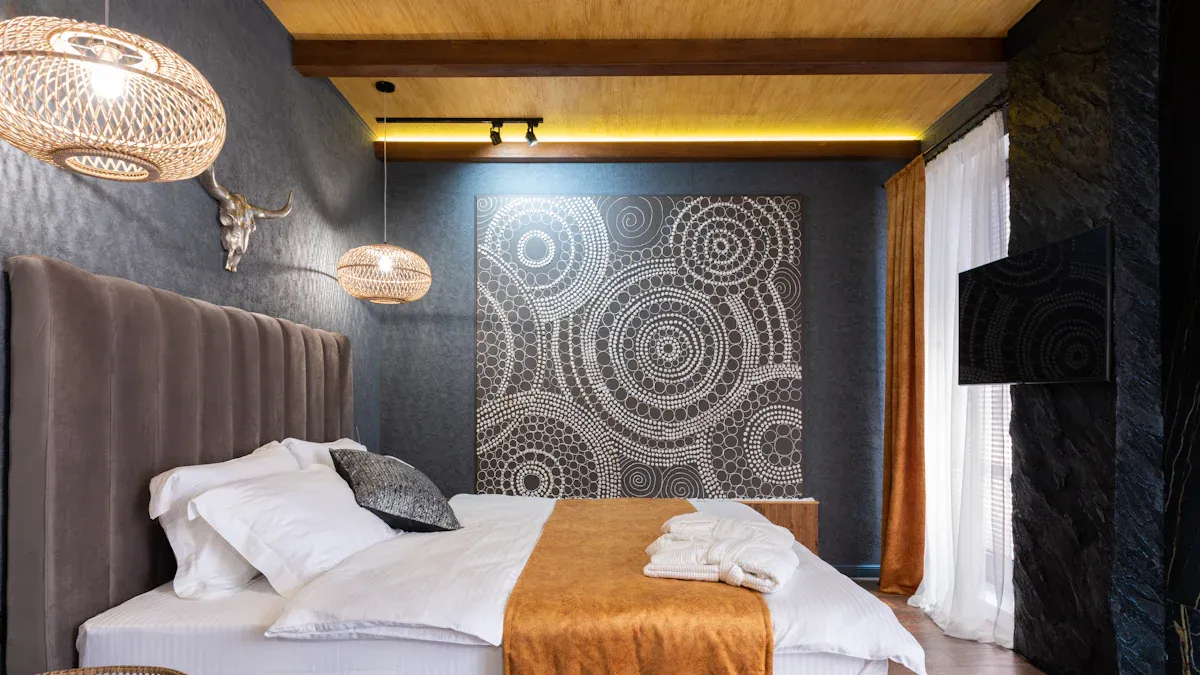
The optimal choice for hotel furniture, whether custom or standard casegoods, depends entirely on a brand’s unique vision and operational needs. There is no universal answer. The best decision aligns with specific brand identity, budget considerations, and guest experience goals.
Key Takeaways
- Custom hotel furniture is made just for your hotel. It helps your hotel look special and stand out.
- Standard hotel furniture is made in large amounts. It costs less and is good for quick projects.
- The best furniture choice depends on your hotel’s unique style, money, and what guests expect.
Custom Hotel Furniture: Uniqueness and Brand Expression
Defining Custom Hotel Furniture
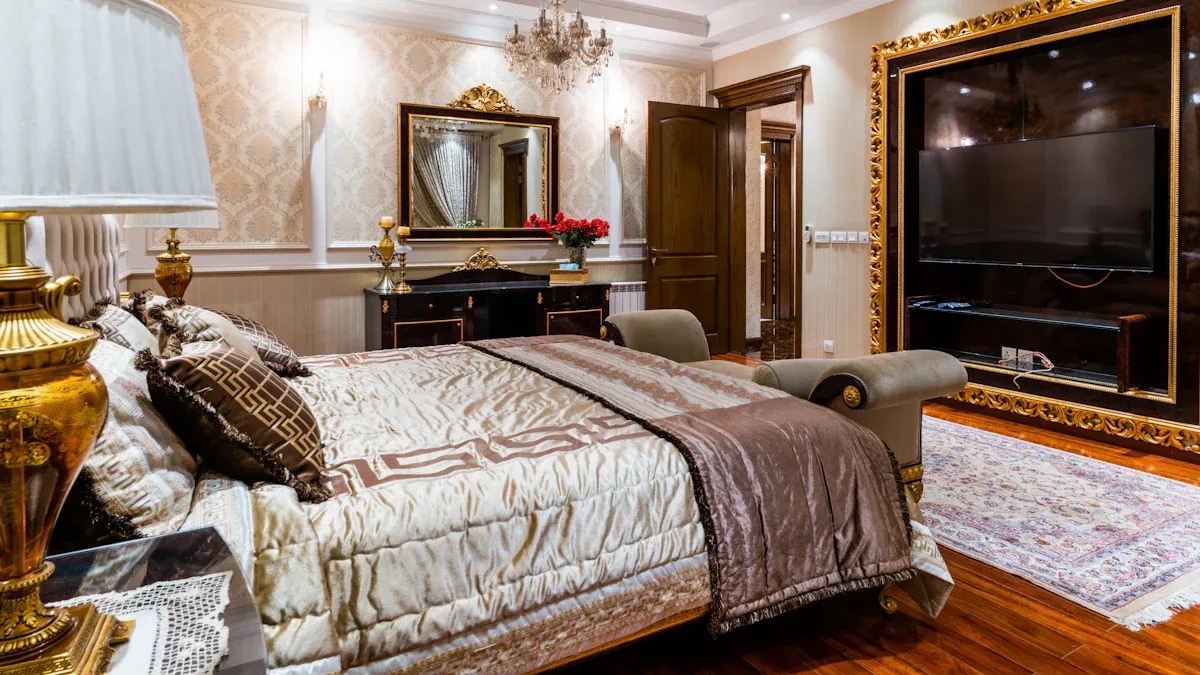
Custom hotel furniture refers to pieces specifically designed and manufactured to meet a hotel’s unique aesthetic and functional requirements. These items feature superior craftsmanship and exclusive designs. Manufacturers craft them with premium materials and meticulous attention to detail. This approach balances elegance with high durability. The focus remains on longevity, aesthetic appeal, and functionality. Custom pieces are curated for comfort, sophistication, and practicality. They reflect the hotel’s brand identity through bespoke designs. This furniture withstands extensive use and maintains its pristine condition. It increasingly incorporates sustainable and eco-friendly options. This prioritizes strength and resilience to reduce frequent replacements.
Advantages of Custom Hotel Furniture
Customized hotel furniture offers significant advantages for brand differentiation. Hotels can craft unique designs and achieve specific visions, providing an essential design edge to stand out from competitors. This flexibility extends to materials, accessories, and dimensions, enabling tailored aesthetics and functionality not possible with catalog options. A hotel can own a unique furniture style that cannot be found elsewhere, establishing a distinct appearance in clients’ minds. Custom furniture helps a hotel create an anchor point to differentiate itself and build connections within the same brand. It allows establishments to market a one-of-a-kind visual identity.
Considerations for Custom Hotel Furniture
While custom hotel furniture offers many benefits, it also involves specific considerations, particularly regarding cost and lead times. The production process for custom pieces is extensive. Design and prototyping typically take 4-8 weeks. Material procurement requires another 2-6 weeks. Production itself can last 8-16 weeks. Quality control and packaging add 1-2 weeks, and shipping and logistics take 2-8 weeks. The total estimated lead time, excluding installation, ranges from 17 to 40+ weeks, approximately 4-10 months. It is important to include buffer time for potential delays, especially for international projects or those with complex designs and rare materials.
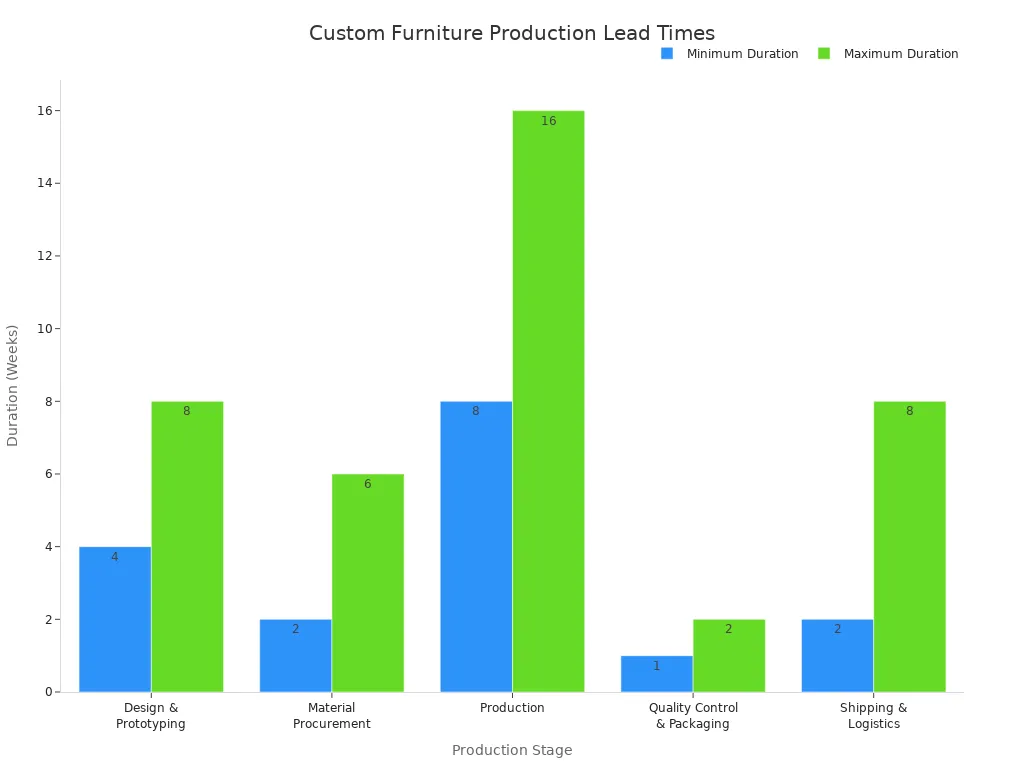
Key factors influencing the cost include material choices, design complexity, and customization levels. Higher order quantities often lead to lower per-unit production costs.
Standard Hotel Furniture: Practicality and Efficiency
Defining Standard Hotel Furniture
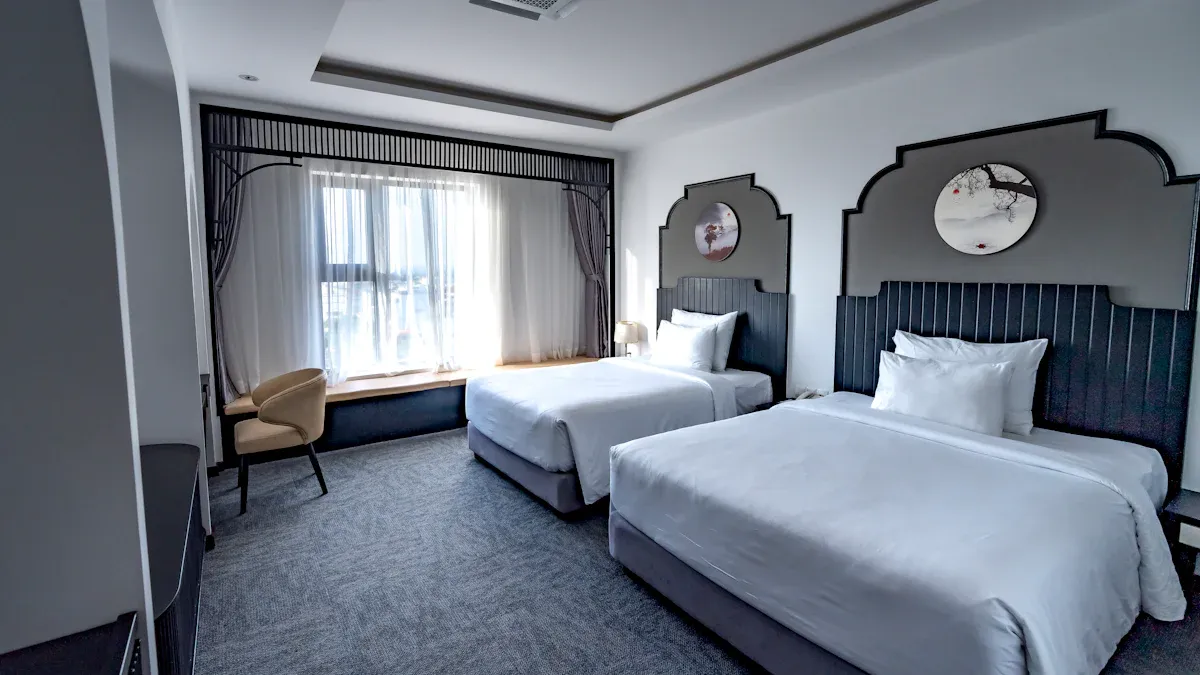
Standard hotel furniture, also known as commercial furniture, is found in high-traffic commercial settings like hotels and restaurants. Manufacturers design this hospitality furniture for durability. It withstands the daily demands of busy environments, unlike residential furniture. It meets commercial standards for strength, fire safety, and ease of maintenance. Key materials for durability include high-pressure laminates (HPL) for scratch and moisture resistance in casegoods. Solid wood and metal reinforcements are used for seating and tables. Performance fabrics with stain-resistant coatings cover upholstered pieces. Examples include headboards, nightstands, coffee tables, vanities, entertainment units, dining tables, and chairs. Casegoods like nightstands and dressers use commercial-grade materials. Upholstered seating, such as lounge chairs and sofas, features reinforced frames. Tables, including coffee and dining tables, have scratch-resistant surfaces.
Benefits of Standard Hotel Furniture
Standard hotel furniture offers significant practical advantages. Its ready availability means faster procurement and installation times. This makes it ideal for projects with tight deadlines or rapid renovations. Hotels benefit from cost-effectiveness due to mass production. This reduces per-unit expenses compared to custom pieces. Standard options also ensure consistency across multiple properties within a brand. This maintains a uniform guest experience. Maintenance and replacement are simpler because parts and identical items are readily available.
Limitations of Standard Hotel Furniture
Standard hotel furniture presents certain limitations, particularly regarding design flexibility and brand expression. It often lacks the unique aesthetic appeal that custom pieces provide. This can make it challenging for a hotel to establish a distinct brand identity in a competitive market. While brand standards define aspects like furniture, standard collections may not fully capture a hotel’s unique narrative. Hotels often specify unique lobby chairs or custom upholstery patterns to reinforce their identity. Standard options, even with minor modifications, may feel like a compromise. They fall short on uniqueness compared to bespoke designs.
Key Factors for Choosing Hotel Furniture
Budget and Financial Implications
Financial considerations play a crucial role in selecting hotel furniture. While low-cost furniture may seem appealing initially, it often leads to higher long-term expenses. Manufacturers sometimes prioritize production efficiency over durability, using lower-quality materials and minimal reinforcement. This approach results in premature product failure. Such furniture requires frequent repairs and replacements, significantly increasing operational costs and hindering efficiency. Investing in high-quality, durable furniture, made from materials like solid wood, reinforced metal, and high-pressure laminates, reduces the need for constant maintenance. This strategic investment leads to substantial long-term savings and improved operational flow.
Brand Identity and Aesthetic Alignment
Furniture serves as a powerful canvas for expressing a hotel’s unique identity. The choice of pieces, whether modern or classic, reflects the hotel’s character and distinguishes it from competitors. Furniture selection, color palettes, and design enhance aesthetics and profoundly influence guest emotions and behaviors. Each furniture piece contributes to guests’ moods, comfort, and satisfaction throughout their stay. Customized pieces communicate the hotel’s personality, creating an atmosphere that resonates with guests. Consistent design elements across multiple properties establish brand recognition and loyalty. This familiarity makes guests more likely to return to a hotel they know and love. Well-crafted, substantial, and inviting furniture enhances guests’ perception of the hotel’s quality and attention to detail. The style, material, and color of furniture align with the brand’s identity and communicate its values to guests.
Guest Experience and Perceived Value
Furniture design is crucial for guest comfort and satisfaction. Guests spend significant time in their rooms, making comfort a top priority. Comfortable and supportive furniture is essential for a relaxing stay. Thoughtfully designed furniture creates a welcoming and relaxing ambiance, making guests feel at ease and influencing their perception and satisfaction. Furniture should transform a room into an efficient space, offering ergonomic designs and smart storage solutions to maximize space and ease of use. Incorporating design elements that reflect local culture, such as traditional craftsmanship or local materials, creates an authentic and memorable experience. This fosters a sense of place. Investing in high-quality, ergonomically designed furniture that supports various body types and usage scenarios significantly enhances guest satisfaction and loyalty. Uncomfortable furniture can lead to poor reviews and adversely affect repeat business. Sustainable and eco-friendly furniture options, made from renewable materials with minimal waste, appeal to environmentally conscious guests and contribute to a healthier, more comfortable stay.
Project Timeline and Lead Time
Project timelines significantly influence furniture selection. A standard hotel furniture order generally takes about 8 weeks from design submission or approval to completion. This makes standard options suitable for projects with tight deadlines or rapid renovations. For custom furniture, the engineering phase alone can take 1 to 2 weeks. Custom hotel furniture orders typically have lead times ranging from 12 to 16 weeks. This timeframe can extend due to the complexity and quantity of the order, especially during peak seasons or for intricate designs. Hotels must plan accordingly, allowing ample time for custom pieces to ensure timely project completion.
Functionality and Durability Needs
Casegoods make a space functional and comfortable. They provide surfaces for guests to place coffee, work on a laptop, or store personal belongings. They enhance usability, creating a stress-free environment that mirrors the comforts of home. Hotel operators must consider key factors such as durability when selecting finishes, materials, and suppliers’ locations. Compliance with brand standards is crucial. Robust construction methods, including factory assembly, reinforced joints, strong adhesives, and heavy-duty fasteners, extend furniture lifespan in demanding environments. High-quality coatings and laminates resist moisture damage, chipping, and peeling, maintaining durability under heavy use. Using heavy-duty fasteners and hardware ensures stability, prevents loosening or breakage, and reduces maintenance and replacement costs.
Operational Efficiency and Maintenance
Furniture choices directly impact a hotel’s operational efficiency and maintenance requirements. Low-cost furniture, while seemingly budget-friendly, leads to frequent repairs and replacements. This increases long-term expenses and hinders operational efficiency. Durable furniture minimizes operational disruptions and downtime. It allows staff to focus on core tasks rather than furniture maintenance, leading to long-term cost savings and improved efficiency. High-quality, easy-to-maintain materials are essential for furniture that withstands heavy use and frequent cleaning. Investing in furniture designed for longevity reduces the burden on maintenance staff and ensures a consistently high standard of guest experience.
When Custom Hotel Furniture Excels
Unique Brand Positioning
Custom hotel furniture provides a significant competitive advantage for properties seeking unique brand positioning. Hotels invest in tailored designs to differentiate themselves from competitors. This approach allows them to create brand-centric designs that tell a unique story, reinforcing the hotel’s identity. Sourcing pieces from local artisans also fosters authenticity and local craftsmanship. This creates a unique, culturally rich environment. Guests seeking immersive experiences resonate with this environment. Custom pieces ensure the hotel’s aesthetic is truly one-of-a-kind.
High-End Luxury Properties
High-end luxury properties often require custom solutions to meet their exacting standards and guest expectations. Custom furniture allows these establishments to:
- Reflect the Client’s Personal Style: High-end clients desire spaces that are an extension of themselves. Custom furniture incorporates individual lifestyles, aesthetics, and functional needs. This includes heirloom inspirations, cultural elements, unique color schemes, wood tones, bespoke hardware, or design motifs.
- Ensure Material Consistency Across the Home: Cohesion is crucial for high-end design. Custom furniture allows for consistent wood species, grain patterns, and finish quality throughout the residence. This is especially important in open-concept layouts, when pairing built-ins with freestanding furniture, or coordinating with millwork.
- Elevate Functionality with Custom Features: Luxury encompasses ease of use. Custom furniture offers enhanced functionality. Examples include hidden drawers, lift-up coffee table tops, or built-in charging ports.
- Match the Architecture of the Space: An elevated space integrates furniture seamlessly with its architecture. Custom pieces echo architectural lines, materials, and proportions. For example, they mirror vaulted ceiling angles in headboards or use the same stain as exposed beams.
- Support Whole-Home Cohesion: For full-residence projects, custom furniture reinforces visual themes. It creates rhythm and consistency throughout the home by controlling tone and texture. It subtly varies styles while maintaining consistent finishes and a signature design style.
- Offer a Higher Perceived Value to Clients: Custom hotel furniture conveys exclusivity and uniqueness. It adds perceived value to clients who appreciate a piece made specifically for their space. It fulfills a specific need or request and has a unique story from concept to execution.
Specific Design Requirements
Specific design requirements often mandate custom furniture solutions. Standard options may not accommodate unusual dimensions or integrated technology. Manufacturers should meet specific design requirements. They should also accommodate specific dimensions. Functional requirements are another key aspect they should fulfill. For instance, Nucraft accommodates a wide range of customizations. This includes unique dimensions. It also covers integrated technology solutions. Custom pieces ensure every element fits perfectly and functions as intended.
When Standard Hotel Furniture is the Smart Choice
Budget-Conscious Projects
Standard hotel furniture presents an excellent solution for projects with strict budget limitations. Manufacturers produce these items in large quantities. This mass production significantly lowers the per-unit cost. Hotels can furnish their properties effectively without exceeding financial constraints. This approach allows for efficient resource allocation. It ensures quality furnishings remain accessible even on a tighter budget.
Fast-Track Renovations
Projects requiring rapid turnaround times benefit greatly from standard furniture options. These pieces are often readily available from manufacturers’ stock. This immediate availability translates into quicker procurement and installation. Hotels can complete renovations on an accelerated schedule. This minimizes downtime and allows properties to resume operations swiftly. Standard selections streamline the entire furnishing process.
Consistent Brand Standards Across Multiple Properties
Hotel brands with multiple locations often prioritize consistency. Standard hotel furniture ensures a uniform look and feel across all properties. This consistency reinforces brand identity. Guests experience the same quality and aesthetic regardless of the location they visit. Maintaining these standards is crucial for brand recognition and guest loyalty. Standard options simplify procurement for multi-property portfolios.
Making the Informed Decision for Your Hotel Furniture
Assessing Your Brand’s Core Values
Making an informed decision about hotel furniture begins with a clear understanding of a brand’s core values. Hotels must define their brand and style. This involves understanding the target audience, the desired ambiance, and the overall design aesthetic. These elements guide furniture selection. Furniture choices must align with the hotel’s brand values and unique selling points. This creates a cohesive guest experience. A meticulous assessment of brand essence and target clientele is crucial. This step requires a thorough evaluation of the hotel’s core identity and its guests’ preferences. Collaborating with design professionals helps create a visually appealing concept. This concept aligns with the hotel’s values. Utilizing custom furniture allows hotels to create unique environments. These environments directly reflect their brand identity. Suppliers should offer customizable pieces. These pieces embody the specific character and brand narrative of each property.
Evaluating Long-Term Investment
Evaluating the long-term investment for hotel furniture involves considering the total cost of ownership. This includes initial procurement, maintenance, and replacement cycles. For example, teak furniture, despite its higher initial investment, often proves more cost-effective over 15-20 year periods. This is due to minimal maintenance and extended replacement cycles. Its superior durability, weather resistance, and natural preservation properties contribute to a 15-25 year lifespan. This is significantly longer than mahogany’s 10-15 years. This extended lifespan and reduced replacement frequency justify teak’s higher initial cost. This leads to a lower total cost of ownership. Furthermore, teak furniture investments may qualify for accelerated depreciation schedules. This improves overall project economics and supports favorable financing terms due to its proven durability and value retention.
| Performance Factor | Teak | Mahogany |
|---|---|---|
| Expected Lifespan | 15-25 years | 10-15 years |
| Durability (Usage Cycles) | 50,000+ | ~35,000 |
| Maintenance | Minimal | Requires extensive protective treatments (especially outdoors) |
| Initial Cost | Higher | Lower |
| Long-term Value | Excellent (due to durability, lifespan, low maintenance) | Lower (due to shorter lifespan, higher maintenance) |
| Depreciation | Qualifies for accelerated depreciation | Less favorable financing terms compared to higher-grade alternatives |
Partnering with the Right Supplier
Selecting the right supplier is a critical step in the furniture procurement process. Hotels should evaluate suppliers based on several key criteria. First, consider whether the supplier is domestic or foreign. Local options often offer quicker lead times and fewer issues with damaged goods. Second, assess communication. A responsive supplier is essential for quick replacements, delivery issues, or order adjustments. Third, ensure the supplier provides detailed drawings. These comprehensive product drawings guarantee specifications are met before manufacturing. Fourth, inquire about eco-friendly and sustainable manufacturing practices. This includes material sourcing, production processes, certifications, and company policies related to environmental impact. Fifth, determine if the supplier offers factory-provided storage. This avoids additional handling and potential damage during phased deliveries. Sixth, understand the warranty terms. A standard often includes five years for domestic hospitality casegoods manufacturers. Seventh, clarify lead times. This is especially important for custom orders. The supplier’s process for ensuring on-time delivery is also important. Finally, consider installation logistics. While installation services are rare, the supplier should account for hallway widths and in-room utilities in their product design.
Hotels should also be aware of potential red flags when selecting a furniture supplier. Some suppliers may misrepresent their domestic status. They appear local but conduct most operations overseas. This leads to offshoring issues. Always request references to verify. Vague or non-committal quotes can lead to unexpected price increases. Always get all agreements in writing. Inadequate warranties are another concern. Carefully review warranty terms. Some suppliers offer very limited or no warranty. This can be frustrating if support is needed later.
The decision between custom and standard casegoods is strategic. It balances aesthetics, budget, and functional requirements. Hotels must carefully weigh their brand’s unique identity, guest expectations, and operational realities. This ensures the best choice. The right casegoods enhance a brand’s story. They significantly contribute to guest satisfaction and operational success.
FAQ
What is the primary distinction between custom and standard hotel furniture?
Custom furniture is uniquely designed for a specific hotel. Standard furniture is mass-produced for commercial use. It prioritizes durability and efficiency.
When does custom hotel furniture become the optimal choice for a property?
Custom furniture excels for unique brand positioning, high-end luxury properties, or specific design requirements. It creates a distinct, tailored guest experience.
What key advantages do hotels gain by selecting standard hotel furniture?
Standard furniture offers faster procurement, cost-effectiveness due to mass production, and consistency across multiple properties. It simplifies maintenance and replacement.

Post time: Jan-23-2026