
 joyce@taisenfurniture.com
 0086 15356090777


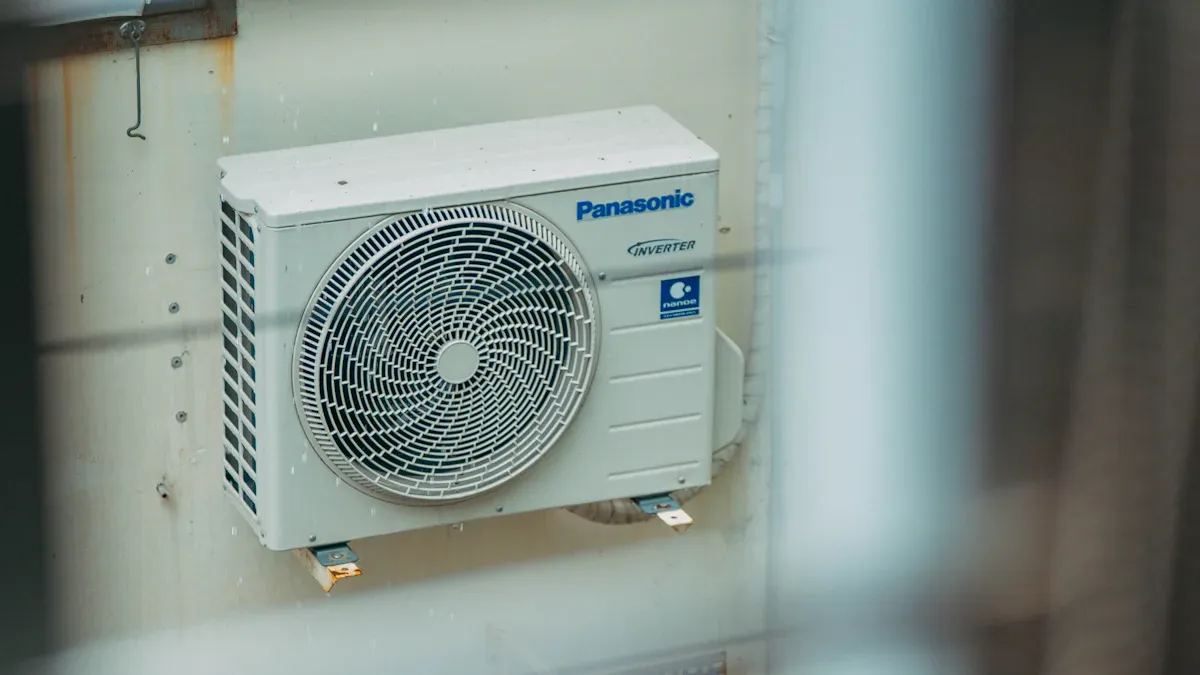
Choosing the appropriate refrigeration condenser is essential for the efficiency of commercial cold storage. A well-selected condenser not only enhances performance but also reduces operational costs. Various factors influence this decision, including the specific refrigeration needs and the scale of the operation. For example, energy-saving refrigeration technology can greatly improve energy efficiency. Recent audits in regions like West Bengal and Uttar Pradesh demonstrate that implementing a subcooling-based system can result in energy savings of up to 43%. This underscores the direct impact of condenser choice on energy consumption and overall operational expenses. Additionally, for those interested in tailored solutions, the option for custom heat exchanger design allows for the creation of specialized components suited for industrial refrigeration systems. Furthermore, if you’re considering small scale cold room cooling components, you might wonder, “Can I customize the dimensions of a wire tube condenser?” The answer is yes, providing flexibility to meet specific requirements.
Key Takeaways
- Choosing the right refrigeration condenser boosts efficiency and cuts operational costs. Evaluate your specific refrigeration needs before making a decision.
- Energy-efficient systems can lower electricity expenses by 30-50%. Implement strategies like optimizing defrost cycles and monitoring components to enhance efficiency.
- Regular maintenance is key to prolonging the lifespan of your condenser. Clean coils every three months and conduct monthly inspections to prevent issues.
- Compatibility with existing systems is crucial. Ensure new condensers work well with current setups to maintain performance and efficiency.
- Consider both initial and long-term costs when selecting a condenser. Financial incentives for energy-efficient systems can help offset initial investments.
Understanding Refrigeration Needs
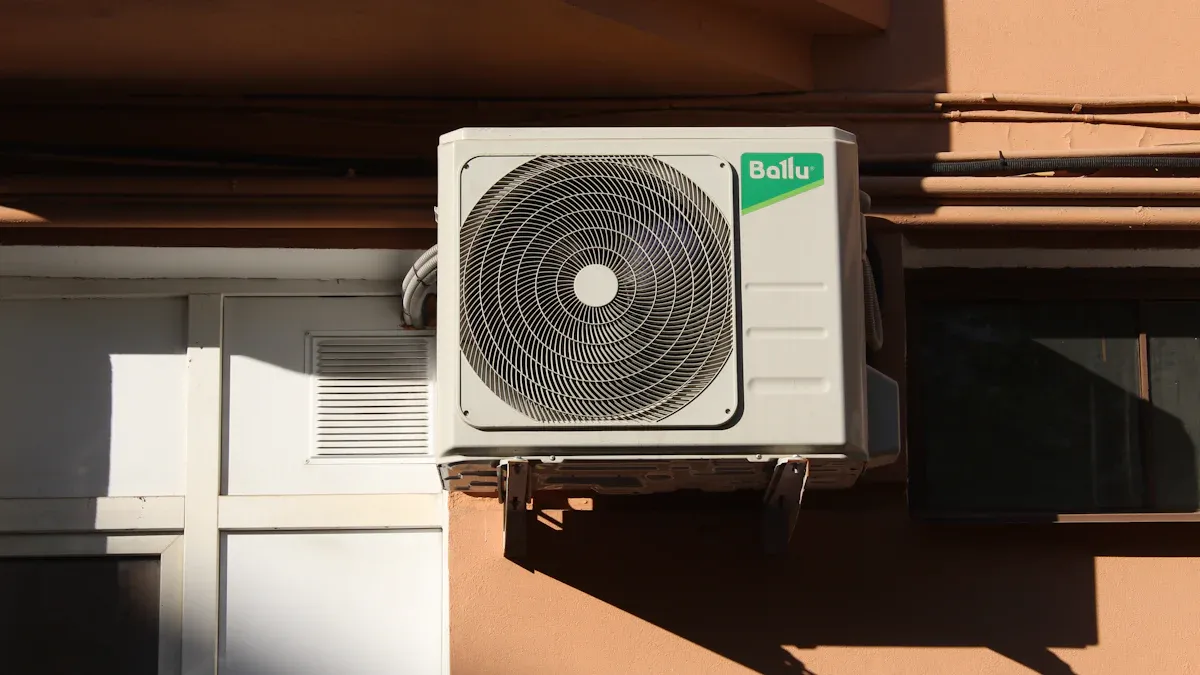
Understanding the refrigeration needs of a commercial cold storage facility is crucial for selecting the right condenser. These facilities typically require controlled temperature environments, which can range from -20° to 55°. Key refrigeration needs include:
- Energy Efficiency: Facilities must minimize energy consumption to reduce operational costs.
- Advanced Temperature Control Systems: Precise temperature regulation is essential for preserving product quality.
- Specialized Features: Vapor barriers help prevent condensation, while automated systems enhance operational efficiency.
Different industries have varying temperature requirements. The following table outlines these needs across several sectors:
| Industry | Temperature Requirements |
|---|---|
| Food and Beverage | Walk-in refrigerators/freezers, blast chillers, and cold rooms tailored for produce, dairy, meats, and frozen goods. |
| Pharmaceuticals | Ultra-low temperature freezers, cryogenic storage, and secure climate-controlled facilities for sensitive medications and vaccines. |
| Agriculture | Bulk storage coolers and processing area chillers for fresh produce. |
| Floral | Refrigerated display cases and storage coolers with humidity control to prolong the freshness of flowers. |
| Chemicals | Hazardous material storage with temperature regulation to prevent decomposition or reactions. |
| Data Centres | Contained cold aisles and precision air conditioners for server cooling to ensure optimal performance. |
Several factors determine the refrigeration load in commercial cold storage operations. These include:
- Product Load: The heat introduced by goods arriving at a higher temperature than the storage environment.
- Conduction Load: Heat that enters through walls, floors, and ceilings, influenced by insulation quality and temperature differences.
- Service Load: Heat generated by operational activities, including employee presence and equipment use.
- Respiration Load: Heat produced by living products, particularly relevant for fresh produce.
The size of the cold storage room also plays a significant role in selecting the appropriate refrigeration condenser. A larger volume necessitates a more powerful cooling capacity to effectively manage heat removal and maintain the desired temperature.
By understanding these refrigeration needs, businesses can make informed decisions when selecting a refrigeration condenser that aligns with their operational requirements.
Types of Refrigeration Condensers
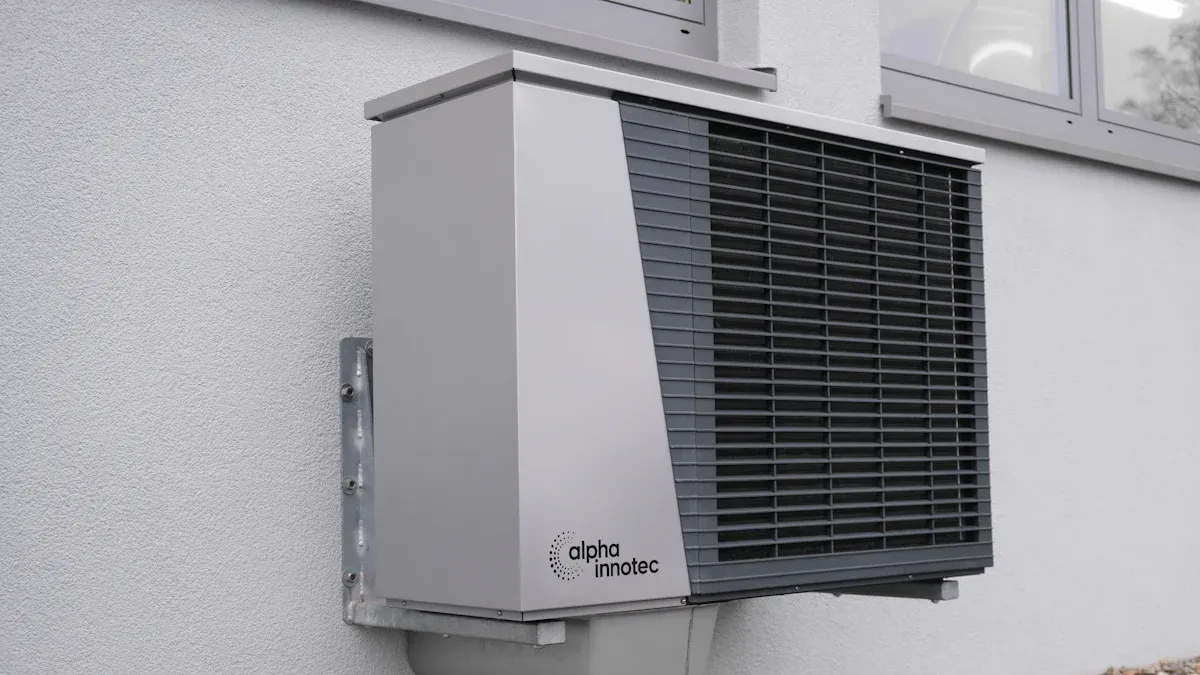
Selecting the right type of refrigeration condenser is vital for optimizing performance in commercial cold storage. Each type has unique characteristics, advantages, and disadvantages. Below are the three main types of refrigeration condensers commonly used in these facilities:
| Type | Description |
|---|---|
| Air-Cooled Condensers | These condensers cool the refrigerant by using air to condense it from a gaseous state to a liquid. They typically feature finned coils made of copper tubes and fins. |
| Water-Cooled Condensers | These units utilize water as the cooling medium, transferring heat from the refrigerant to the water, which then becomes warmer. |
| Evaporative Condensers | These combine air and water to effectively transfer heat from the gaseous refrigerant into the condensate. They integrate a water-cooled condenser with a cooling tower. |
Advantages and Disadvantages
Understanding the pros and cons of each type helps businesses make informed decisions. Here’s a breakdown:
- Air-Cooled Condensers:
- Pros:
- No water usage.
- Simplicity and lower installation costs.
- Low maintenance requirements.
- Suitable for dry climates.
- Cons:
- Lower efficiency compared to other types.
- Higher operating temperatures.
- Potential noise and space issues.
- Pros:
- Water-Cooled Condensers:
- Pros:
- Higher efficiency, especially in larger systems.
- Lower operating temperatures.
- Suitable for high heat loads.
- Cons:
- Requires a consistent water supply.
- Higher installation costs.
- Maintenance can be more challenging.
- Pros:
- Evaporative Condensers:
- Pros:
- Lower power consumption.
- Excellent cooling performance due to combined air and water cooling.
- Cons:
- Installation can be complex due to the need for both air and water supply.
- Pros:
Installation Requirements
Installation requirements vary among the types of condensers. Here’s a summary:
| Type of Condenser | Installation Requirements | Characteristics |
|---|---|---|
| Air-Cooled Condensers | Simple design, suitable for small units, requires standard airflow for cooling. | Uses air for cooling, commonly found in household refrigerators and small air-conditioners. |
| Water-Cooled Condensers | Requires a water supply, suitable for high cooling loads, used in larger systems. | Uses water to remove heat, typically found in central air-conditioning and large refrigerating plants. |
| Evaporative Condensers | Combines air and water cooling, requires both air and water supply for operation. | Eco-friendly, ideal for commercial HVAC systems, effective in areas with low water supply. |
Average Lifespan
The average lifespan of refrigeration condensers can vary based on type and maintenance. Here’s a quick overview:
| Type of Condenser | Average Lifespan (Years) |
|---|---|
| Commercial HVAC Condenser | 20 |
| Walk-In Coolers/Freezers | 10 to 15 |
| Reach-In and Display Refrigerators | 8 to 12 |
By understanding the different types of refrigeration condensers, their advantages, disadvantages, installation requirements, and average lifespan, businesses can select the most suitable option for their commercial cold storage needs.
Energy Efficiency Considerations
Energy efficiency plays a crucial role in selecting a refrigeration condenser for commercial cold storage. Businesses can significantly reduce their electricity costs by implementing energy-efficient systems. These systems can lead to a reduction in electricity expenses by 30–50% through advanced components like electronically commutated motors and variable frequency drives.
To optimize energy efficiency, consider the following strategies:
- Optimize the defrost cycle based on seasonal, humidity, and load requirements.
- Use hot gas defrosting instead of electric defrosting for cost efficiency.
- Purge non-condensables from the refrigeration system to enhance efficiency.
- Operate at the lowest condensing pressure possible.
- Raise the evaporator temperature to the maximum level.
- Monitor refrigeration components to save energy.
- Replace damaged insulation to maintain insulation value.
- Regularly check door seals and weather-stripping.
- Install motion sensors to manage lighting in unoccupied areas.
- Control the refrigeration system to operate only when cooling is needed.
A case study demonstrated that a facility reduced daily refrigeration energy use by approximately 5% while increasing refrigerated floor space by 17%. This showcases the effectiveness of energy-efficient upgrades. Improved temperature stability from these systems helps protect inventory quality and reduces spoilage, which is crucial for maintaining profit margins.
The Department of Energy (DOE) regulates energy efficiency standards for commercial refrigeration equipment, including condensers. Under the Energy Policy and Conservation Act (EPCA), the DOE sets energy conservation standards for various consumer and industrial equipment, ensuring that businesses adhere to best practices for energy efficiency.
By focusing on energy-efficient refrigeration condensers, businesses can enhance overall performance while reducing operational costs and environmental impact.
Compatibility with Existing Systems
When selecting a refrigeration condenser, compatibility with existing systems is a critical factor. Businesses must ensure that new condensers integrate seamlessly with their current refrigeration setups. This integration can affect performance, efficiency, and overall operational costs.
Several key considerations arise when evaluating compatibility:
- Refrigerant Type: Different refrigerants have varying properties that can impact compatibility. For instance, transitioning to R449A from R404A requires minimal modifications. However, businesses must ensure that compressors and lubricants are compatible with the new refrigerant.
- System Components: Check seals, gaskets, and expansion devices for compatibility. Adjustments may be necessary to optimize performance. Evaluating heat exchanger performance is also crucial to maintain efficiency.
- Regulatory Compliance: Transitioning to low-GWP refrigerants helps meet regulatory requirements. Compliance with local and international regulations regarding refrigerant use and disposal is essential for sustainable operations.
The following table summarizes the compatibility of various refrigerants with R404A/R507:
| Refrigerant | Compatibility with R404A/R507 | Modifications Required |
|---|---|---|
| R448A | Yes | Minimal |
| R449A | Yes | Minimal |
Businesses may face challenges when retrofitting existing systems. The complexity of system design can lead to increased costs. Additionally, safety measures must align with updated standards, especially when using low-GWP refrigerants.
The table below outlines potential challenges during retrofitting:
| Challenge Type | Description |
|---|---|
| Regulatory Hurdles | A2L retrofits are not currently permitted, and standards are still under development. |
| System Design Complexity | Retrofitting is likely to be complex and costly, often requiring a full-system conversion. |
| Safety Measures | Transitioning to low-GWP refrigerants necessitates compliance with updated safety standards. |
| CO₂ System Challenges | Common issues include leaks due to vibration or pressure relief valve pop-offs. |
By considering these factors, businesses can ensure that their new refrigeration condenser will work effectively with existing systems, enhancing overall efficiency and performance.
Maintenance Requirements
Proper maintenance of refrigeration condensers is essential for ensuring optimal performance and longevity in commercial cold storage. Regular upkeep helps prevent costly breakdowns and maintains energy efficiency. Here are some key maintenance tasks and their recommended frequencies:
| Maintenance Task | Frequency |
|---|---|
| Cleaning condenser coils | At least every 3 months (more often in dusty/greasy environments) |
| Regular inspections | Monthly |
| Spotting coil damage | As needed (during inspections) |
Regular cleaning of condenser coils prevents overheating and maintains efficiency. Inspections should identify signs of wear or damage, such as bent fins or corrosion. Preventative maintenance includes monitoring for increased energy consumption or inadequate cooling.
Different types of refrigeration condensers have varying maintenance requirements. For instance:
- Air-Cooled Condensers: These units are easier to maintain and require less frequent upkeep. Regular cleaning of coils is essential to ensure optimal performance.
- Water-Cooled Condensers: These require cleaning every 1 to 2 years to remove scale from the heat exchange tubes. Regular maintenance is crucial to avoid scale buildup and algae growth.
- Evaporative Condensers: These face unique challenges, as they often require chemical cleaning due to scale on the outside of the tubes. This process can be risky if not performed correctly.
Common maintenance issues encountered with refrigeration condensers include:
| Maintenance Issue | Description |
|---|---|
| Refrigerant Leaks | Caused by vibration, poor installation, or corrosion; leads to reduced cooling capacity and higher energy bills. |
| Dirty Coils | Results in reduced cooling capacity and increased wear; requires regular cleaning to prevent spoilage. |
| Poor Defrost | Causes ice buildup on evaporator coils, reducing efficiency; regular checks and maintenance are necessary. |
| Overrides | Can lead to increased wear and spoilage; guidelines for usage should be established. |
By adhering to a structured maintenance schedule, businesses can enhance the reliability and efficiency of their refrigeration condensers, ultimately leading to improved operational performance.
Cost Considerations
When selecting a refrigeration condenser, cost considerations play a significant role in decision-making. Businesses must evaluate both initial investment and long-term operational expenses. Understanding these costs can help organizations make informed choices that align with their budget and operational goals.
Initial Costs
The initial cost of a refrigeration condenser varies based on the type selected. For example, air-cooled condensers generally have a lower upfront cost compared to water-cooled models. The following table outlines the estimated costs for different systems:
| System | Initial Cost Estimate | Annual Operating Cost (Energy + Water) | Payback |
|---|---|---|---|
| Air-Cooled | $40,000 | $20,000 | Immediate low-cost |
| Water-Cooled | $70,000 | $15,000 (incl. water) | ~6 years |
Long-Term Operational Costs
Long-term operational costs significantly impact the total cost of ownership. Water-cooled condensers often have lower annual operating costs due to their higher efficiency. However, they require a consistent water supply, which can add to overall expenses. The following table compares key features of air-cooled and water-cooled condensers:
| Feature | Air-Cooled Condenser | Water-Cooled Condenser |
|---|---|---|
| Cooling Efficiency | Lower (Relative to Ambient) | Higher (Approaching Wet Bulb) |
| Water Usage | Zero | Significant (Makeup Water) |
| Maintenance Need | Minimal (Clean Fins) | Monthly (Chemicals/Pumps) |
Financial Incentives
Many businesses can benefit from financial incentives for energy-efficient refrigeration systems. These incentives can offset initial costs and improve return on investment. The following table summarizes some available incentives:
| Incentive Type | Description | Amount/Details |
|---|---|---|
| Floating Head Pressure Controls | Reduces power consumption in cooler outdoor temperatures. | $300 cash back per compressor controller |
| High Efficiency Condensing Units | Saves energy and increases equipment life. | Instant discounts of up to $600 – $1,200 |
By carefully considering both initial and long-term costs, businesses can select a refrigeration condenser that not only meets their operational needs but also aligns with their financial objectives.
Selecting the right refrigeration condenser is crucial for optimizing commercial cold storage operations. Key factors include assessing product load, supplemental load, and environmental conditions. Businesses should evaluate their specific needs by estimating capacity, measuring available space, and considering energy efficiency.
Consulting with refrigeration experts can provide tailored solutions that meet unique requirements. Their expertise ensures compliance with health standards and enhances operational efficiency.
By making informed decisions, businesses can improve performance and reduce costs in their cold storage systems.
FAQ
What factors should I consider when selecting a refrigeration condenser?
Consider energy efficiency, compatibility with existing systems, maintenance requirements, and cost. Assess the specific refrigeration needs of your facility to ensure optimal performance.
How often should I perform maintenance on my refrigeration condenser?
Regular maintenance should occur at least every three months. Monthly inspections help identify issues early, ensuring efficient operation and prolonging the condenser’s lifespan.
Can I customize the size of a refrigeration condenser?
Yes, many manufacturers offer customization options for condenser sizes. This flexibility allows businesses to meet specific operational requirements and space constraints.
What are the benefits of energy-efficient condensers?
Energy-efficient condensers reduce electricity costs by 30-50%. They also enhance cooling performance, improve temperature stability, and contribute to environmental sustainability.
How do I know if my condenser is compatible with new refrigerants?
Check the specifications of your existing system and the new refrigerant. Consult with a refrigeration expert to ensure compatibility and compliance with regulatory standards.
Post time: Mar-02-2026