
 joyce@taisenfurniture.com
 0086 15356090777


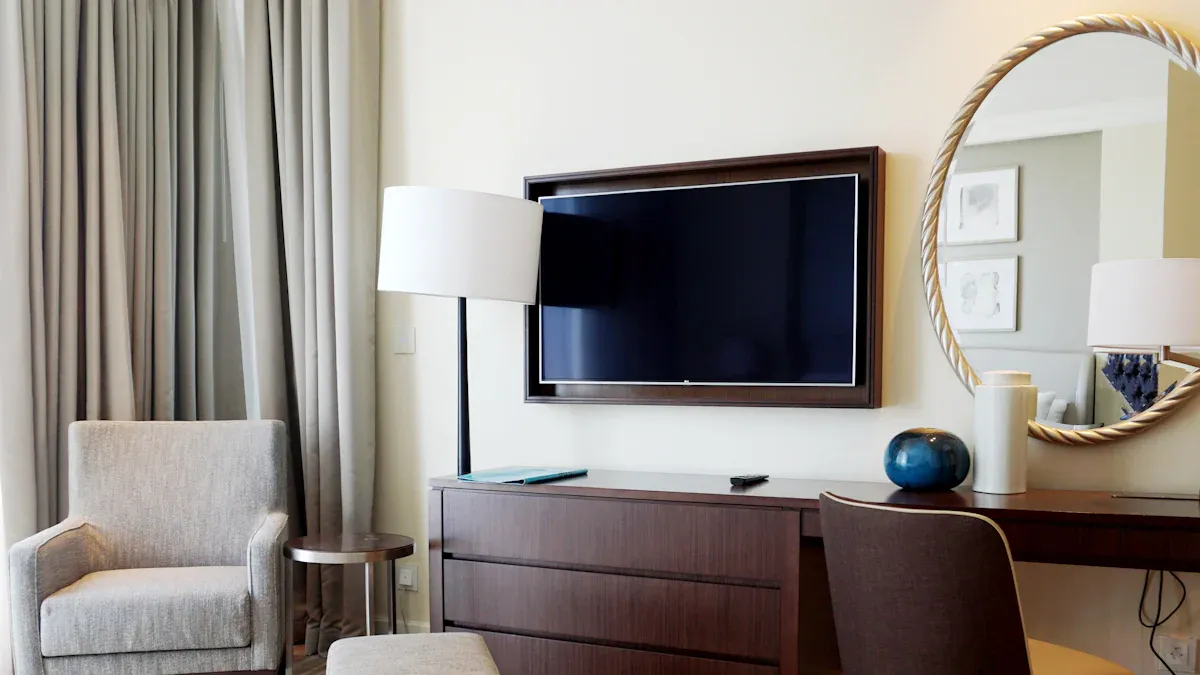
Strategic hotel furniture selection is paramount for guest satisfaction and operational success in 2025. Guests now expect adaptable, technology-integrated pieces, such as nightstands with wireless charging. They also seek wellness-oriented designs, including ergonomic seating. Thoughtful hotel furniture choices meet these evolving demands. This approach ensures a superior guest experience.
Key Takeaways
- Choose hotel furniture carefully. It makes guests happy and helps the hotel make money.
- Good hotel furniture is strong, comfortable, and looks nice. It also uses new technology and helps the environment.
- Hotels should pick furniture that can change easily. This helps rooms work for different guests and new trends.
Essential Hotel Furniture for Modern Guest Rooms
The Bed and Sleep Experience
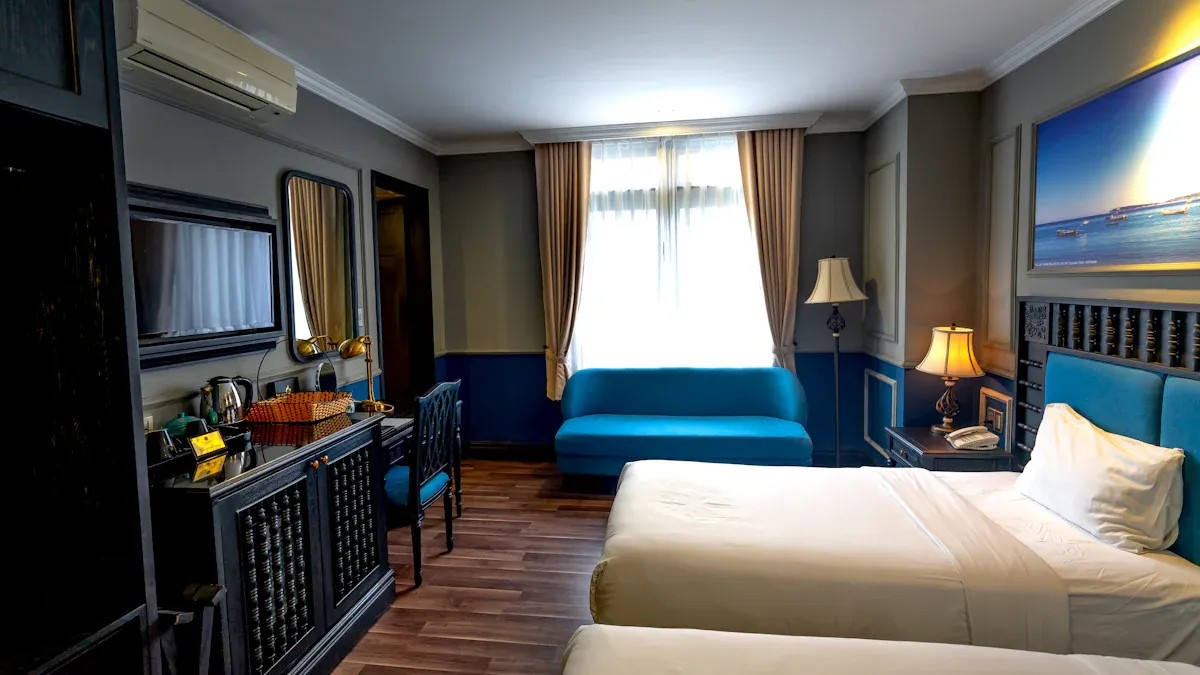
Modern guest rooms prioritize an exceptional sleep experience. Premium beds offer superior support through quality mattresses and toppers. Guests find comfort in high-quality duvet inserts and comforters. Temperature regulation is crucial; breathable materials like cotton sheets prevent overheating. Mattresses feature spinal alignment and pressure relief. Many hotels offer a pillow menu for personalized comfort. Strategic layering creates a plush feel. Advanced systems provide microclimate control, optimizing temperature and humidity under the duvet for improved sleep quality.
Seating and Lounge Areas
Guests seek diverse seating options for relaxation. Lobbies and rooms benefit from varied arrangements. Grouped seating areas facilitate communication. High-backed chairs offer a sense of privacy. Individualized seating is popular for guests desiring personal space. Lounge seating encourages unwinding. Furniture should allow guests to create their own comfortable groups.
Workspaces and Connectivity
Functional workspaces are essential. Guests require ergonomic desks and comfortable chairs. Integrated power outlets and USB ports are standard. Reliable Wi-Fi connectivity supports productivity. Good lighting enhances the work environment.
Storage Solutions
Efficient storage maximizes room space. Multifunctional hotel furniture, like ottomans with storage, is valuable. Built-in furniture, such as beds with drawers, utilizes hidden areas. Wall-mounted shelves and hooks save floor space. Modular furniture with hidden compartments offers flexibility. Fold-out desks or retractable elements maintain a clutter-free environment. These innovative solutions enhance guest convenience.
Decorative and Accent Pieces
Decorative elements enhance room aesthetics. Artworks, mirrors, and unique lighting fixtures add character. Accent pieces reinforce the hotel’s brand identity. These details contribute to a memorable guest experience.
Key Selection Criteria for Hotel Furniture in 2025
Design Aesthetics and Brand Identity
Interior design serves as a powerful tool for communicating a hotel’s brand identity and creating distinctive guest experiences. Every design decision, from color palettes to furniture styles, reinforces the hotel’s brand personality and target market positioning. Successful hotel brands establish consistent design languages guests recognize and associate with quality experiences. Boutique hotels often differentiate themselves by incorporating unique, locally-inspired elements like artisan hotel furniture or color schemes reflecting the surrounding landscape, creating authentic experiences. This integration of a brand story into interior design creates emotional connections with guests, leading to memorable experiences, higher satisfaction scores, and increased loyalty. Investing in quality interior design generates measurable returns through premium rates, higher occupancy, and positive reviews, contributing to increased revenue and profitability. Guests willingly pay more for luxurious, comfortable, and well-appointed rooms. Exceptional interior design also offers marketing advantages, as photogenic spaces generate organic social media content, influencing potential guests’ booking decisions.
Hotel interiors are crucial in shaping guest experiences, influencing their perception of ambiance, aesthetics, and comfort. A well-designed space creates a lasting impression, making guests feel relaxed and welcomed, which fosters a sense of belonging and encourages repeat visits. The first impression, from the reception to the lobby, is vital, with elegant furnishings, stylish decor, and strategic lighting elevating the guest experience. Cohesive design themes create inviting atmospheres, while cluttered spaces cause discomfort. Guest satisfaction heavily depends on comfort, with plush seating, ergonomic chairs, and premium bedding enhancing relaxation. Hotels prioritizing furniture quality often receive higher ratings and guest loyalty. A well-designed interior fosters emotional connections, making guests more likely to return to places where they feel comfortable and valued. Attention to detail, personalized spaces, and aesthetic harmony create unforgettable experiences, driving customer loyalty.
Functionality and User Experience
Furniture selection must prioritize functionality and an intuitive user experience for diverse guest demographics. Hotels should offer a range of customizable furniture that blends style with inclusivity, ensuring comfort for every guest. This includes comfort-focused seating like plush loveseats, inviting ottomans, and ergonomically designed chairs, providing guests with comfortable spots to relax and converse. Thoughtful placement of furniture ensures clear paths and accessible seating options for all guests, including those with mobility limitations, promoting inclusivity. Hotels can create varied seating zones, such as low seating for mobility challenges and quiet corners for sensory-sensitive guests. Adjustable and accessible guest room furniture, including wider doorways, grab bars, adjustable furniture, easily reachable controls, adjustable beds, and accessible storage solutions, significantly contributes to guest well-being. Multifunctional furniture, easily adjusted or reconfigured, meets diverse needs. For instance, accessible dining areas feature tables of varying heights, wide pathways for mobility aids, and chairs with and without armrests.
Durability and Longevity of Hotel Furniture
High-traffic hospitality environments demand furniture built for exceptional durability and longevity. Hoteliers must select materials and construction methods that withstand constant use. For casegoods like nightstands, desks, and headboards, materials approved by the Architectural Woodwork Institute (AWI) ensure durability. Resilient options such as quartz or high-pressure laminate are scratch-resistant and easy to maintain. Metal moldings made from stainless steel, brass, copper, and bronze offer superior resistance to damage and corrosion, are easy to clean, and are fire-resistant, making them ideal for high-traffic areas. Protective features like metal accents on furniture corners prevent damage from cleaning tools or luggage. Wood choices include hardwoods like oak, mahogany, and cherry for their durability, while softwoods like pine and cedar offer affordability and customization. Metal options such as steel, aluminum, and iron provide strength and resistance to rust and corrosion, often enhanced with powder coating or chrome plating. Upholstery materials like velvet, leather, and linen offer luxury and durability, while synthetic materials like polyester and microfiber provide stain resistance and easy maintenance.
Construction methods also play a critical role. Mortise and tenon joinery, a robust artisanal approach, fuses two pieces of wood and is often reinforced with adhesives or fasteners, commonly used for heavy-duty commercial-grade wood chairs and tables. Bolted and riveted joints offer modularity for maintenance or transport in metal furnishings, providing a solid bond for heavy, constant use in metal frame bar stools, chairs, and booth structures. Welded joints, where metal parts fuse with high heat, create a bond as strong or stronger than the base metal, ideal for outdoor furniture or pieces needing to withstand significant weight or stress.
Industry standards ensure furniture meets rigorous durability and safety requirements. BIFMA standards ensure furniture withstands the rigors of hospitality use and meets high expectations for guest safety and comfort. ASTM and ANSI standards, along with BIFMA, ensure safety and durability in luxury hotels. The National Fire Protection Association (NFPA) mandates rigorous flame retardancy tests for furnishings like upholstered chairs. These comprehensive benchmarks cover fire resistance and structural integrity of commercial furniture, providing assurance of quality and safety.
Guest Comfort and Ergonomics
Optimal guest comfort and ergonomics are paramount for a positive stay. For beds, hotels should prioritize mattress support and quality, offering comfortable mattresses with balanced support for refreshed guests. Adjustable headboards provide comfort for reading or reclining. A variety of pillow options, from soft to firm, suits individual preferences. In seating areas, desk chairs with lumbar support encourage better posture during work. Lounge chairs should feature the right seat depth, deep and cushioned for unwinding. Ottomans provide leg support, allowing guests to stretch out and relax. These ergonomic considerations ensure guests feel relaxed and rejuvenated throughout their stay.
Space Optimization and Layout
Effective furniture layouts maximize perceived space, especially in standard hotel rooms. Hotels can leverage multi-functional furniture, such as foldable desks, convertible sofas, and hidden storage, to maximize space efficiency. Urban boutique hotels, for example, maximize smaller spaces with multi-functional furniture and open layouts. Marriott’s Moxy Hotels exemplify this by featuring wall-mounted desks, smart storage solutions, and comfortable beds positioned to maximize space, demonstrating how compact rooms can feel expansive and functional. Magnifying space with mirrors creates an illusion of a larger room; full-size mirrors, mirror-covered sliding closet doors, or mirror-covered furniture achieve this effect. Wall-mounted furniture, like desks, floating shelves, and folding tables, frees up floor space and creates an open feel. Innovative bed placements, such as loft beds or beds sunken into the wall, save space. Hotels can arrange furniture against walls and partition functional zones, for example, placing a desk behind a sofa for an open workspace or using chairs to separate living and dining areas. Optimizing guest flow ensures clear pathways from the entrance to essential areas like the bed, bathroom, and seating. Open floor plans with low-profile seating maintain sightlines, and strategic spacing for large furniture prevents clutter.
Sustainability and Eco-Friendliness
Sustainability has become a critical selection criterion for hotel furniture. Hotels increasingly seek furniture made from materials with certifications like CARB P2 certified boards, FSC-certified boards, and E0 certified engineered wood, indicating low formaldehyde emissions. Low VOC (volatile organic compounds) emissions are also crucial for indoor air quality. Green building certifications like LEED (Leadership in Energy and Environmental Design) and BREEAM (Building Research Establishment Environmental Assessment Method) set requirements for furniture material selection and manufacturing processes. The BIFMA e3 LEVEL® certification provides a multi-attributed, multi-faceted approach to sustainable manufacturing for the furniture industry. This standard evaluates environmental, human, and social impacts of furniture products across manufacturing, facility, and organization. LEVEL® certification requires specific prerequisites and a minimum number of points, allowing manufacturers to achieve LEVEL one, two, or three certification, similar to the U.S. Green Building Council’s LEED program.
Budget and Return on Investment
Selecting hotel furniture involves a careful balance between initial investment and long-term return. Hoteliers must consider not only the upfront cost but also the durability, maintenance requirements, and potential for increased guest satisfaction and revenue. Investing in high-quality, durable furniture reduces replacement costs and minimizes maintenance expenses over time. Furniture that enhances guest comfort and experience often leads to higher satisfaction scores, positive reviews, and increased repeat bookings, directly impacting profitability. A thoughtful budget allocation prioritizes areas with the highest guest impact, ensuring that every dollar spent contributes to a superior guest experience and a strong return on investment.
Navigating Design Trends in Hotel Furniture
Smart Furniture Integration
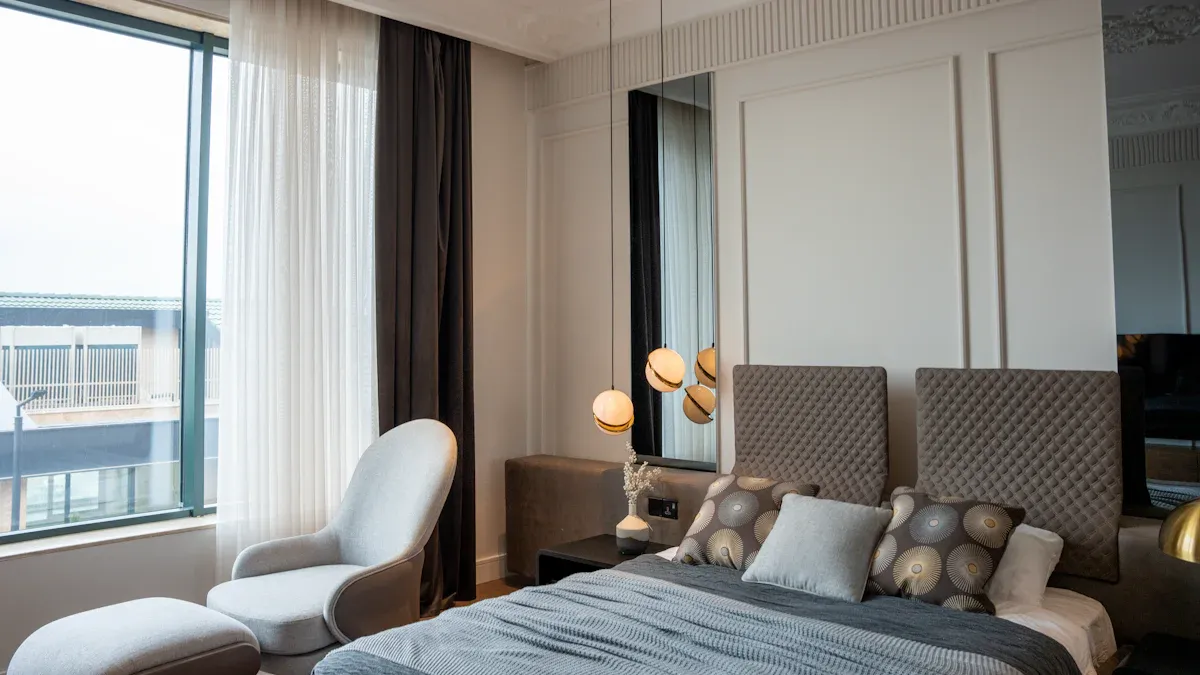
Technology significantly enhances guest convenience. Hotels now integrate smart features directly into their furnishings. Nightstands and desks often include wireless charging pads, power outlets, and USB ports. Smart lighting systems offer dimmable lights, motion sensors, and color-changing options. Some furniture even features voice-activated controls for room settings. Beds with temperature-regulating mattresses and integrated smart speakers also improve the guest experience.
Biophilic Design Elements
Biophilic design brings nature indoors, creating calming and restorative environments. Hotels incorporate natural materials like wood and stone. They also use living plants and natural light to connect guests with the outdoors. Organic shapes and patterns in fabrics and decor further enhance this connection. This approach promotes guest well-being and relaxation.
Modular and Flexible Furnishings
Modular furniture offers hotels great flexibility and adaptability. These systems allow spaces to transition smoothly, accommodating both private moments and social gatherings. Sectional seating in common areas can reconfigure for individual use or larger groups. Many modular pieces serve dual purposes, like sofas that convert to beds or tables with hidden storage. This optimizes space and meets diverse guest needs without overcrowding. Guests can personalize their environment, creating a relaxing lounge or a productive workspace. Hotels can also update room layouts effortlessly, avoiding major renovations. This adaptability makes modular hotel furniture ideal for compact rooms.
Material Innovations for Hotel Furniture
New materials offer enhanced durability and sustainability in hotel furniture. Performance fabrics provide stain resistance and durability, often with antimicrobial treatments. Sustainable wood alternatives like bamboo and reclaimed wood reduce environmental impact. Advanced polymers offer strength, resilience, and design versatility. Eco-friendly finishes, such as non-toxic options and natural oils, improve indoor air quality. Weather-resistant materials and protective coatings also extend furniture life, especially for outdoor pieces.
Practical Considerations for Hotel Furniture Implementation
Sourcing and Supplier Selection
Hoteliers must carefully select furniture suppliers. They evaluate suppliers based on several critical factors. Responsive communication is essential for resolving issues quickly. Suppliers must provide detailed product drawings to ensure exact specifications. Inquire about eco-friendly manufacturing practices and relevant certifications. Consider the supplier’s project experience and ability to provide customization. They should demonstrate skilled craftsmanship and consistency across numerous items. A clear warranty and reasonable lead times are also crucial.
Installation and Logistics
Furniture installation often presents logistical challenges. Inadequate planning and communication can cause significant delays. Hotels overcome this by establishing clear communication channels and developing comprehensive project plans. Unforeseen delays and supply chain disruptions are common. Diversifying the supplier base and proactive monitoring help mitigate these issues. Inefficient inventory management also creates problems. Implementing robust inventory systems with barcoding and RFID tags improves tracking.
Maintenance and Upkeep of Hotel Furniture
Proper maintenance extends the lifespan of hotel furniture. Routine cleaning methods vary by material.
| Furniture Type | Routine Cleaning Method |
|---|---|
| Wood Furniture | Use a soft, damp cloth followed by a dry cloth; apply furniture polish periodically. |
| Upholstered Furniture | Vacuum regularly with an attachment; use fabric-safe cleaners for spot treatment. |
| Metal Furniture | Wipe with a damp cloth; use non-abrasive cleaners to prevent scratches and corrosion. |
Hotels should also install window treatments to protect from direct sunlight. Regular inspections for wear and prompt repairs address minor damage. Training staff on proper handling techniques prevents unnecessary wear.
Future-Proofing Your Investment
Future-proofing hotel furniture investments requires strategic thinking. Focus on quality, functionality, and customization to enhance guest satisfaction. Continuously gather guest feedback to improve furniture choices. Incorporate innovative solutions like modular and multifunctional designs for flexibility. Tailor furniture through customization to meet specific guest preferences. Stay informed about emerging trends, such as smart furniture and sustainable solutions, to remain relevant. This proactive approach ensures long-term value.
Successful hotel furniture selection hinges on critical factors:
- Design aesthetics
- Functionality
- Durability
- Guest comfort
- Sustainability
Thoughtful choices profoundly impact guest satisfaction and long-term return on investment. Hotels must continuously adapt to evolving guest needs and emerging furniture trends. This proactive approach ensures lasting relevance and fosters guest loyalty.
FAQ
What are the most important factors for durable hotel furniture?
Hoteliers prioritize robust materials and construction methods. They select hardwoods, metals, and performance fabrics. Mortise and tenon joinery ensures longevity. BIFMA standards guarantee quality.
How does smart furniture enhance the guest experience?
Smart furniture integrates technology for convenience. Guests find wireless charging, USB ports, and smart lighting. These features personalize the room environment. They improve overall guest satisfaction.
Why is sustainability important in hotel furniture selection?
Sustainable choices reduce environmental impact. Hotels select certified materials like FSC wood. Low VOC finishes improve air quality. This commitment aligns with guest values.
Strategic hotel furniture selection is paramount for guest satisfaction and operational success in 2025. Guests now expect adaptable, technology-integrated pieces, such as nightstands with wireless charging. They also seek wellness-oriented designs, including ergonomic seating. Thoughtful hotel furniture choices meet these evolving demands. This approach ensures a superior guest experience.
Key Takeaways
- Choose hotel furniture carefully. It makes guests happy and helps the hotel make money.
- Good hotel furniture is strong, comfortable, and looks nice. It also uses new technology and helps the environment.
- Hotels should pick furniture that can change easily. This helps rooms work for different guests and new trends.
Essential Hotel Furniture for Modern Guest Rooms
The Bed and Sleep Experience
Modern guest rooms prioritize an exceptional sleep experience. Premium beds offer superior support through quality mattresses and toppers. Guests find comfort in high-quality duvet inserts and comforters. Temperature regulation is crucial; breathable materials like cotton sheets prevent overheating. Mattresses feature spinal alignment and pressure relief. Many hotels offer a pillow menu for personalized comfort. Strategic layering creates a plush feel. Advanced systems provide microclimate control, optimizing temperature and humidity under the duvet for improved sleep quality.
Seating and Lounge Areas
Guests seek diverse seating options for relaxation. Lobbies and rooms benefit from varied arrangements. Grouped seating areas facilitate communication. High-backed chairs offer a sense of privacy. Individualized seating is popular for guests desiring personal space. Lounge seating encourages unwinding. Furniture should allow guests to create their own comfortable groups.
Workspaces and Connectivity
Functional workspaces are essential. Guests require ergonomic desks and comfortable chairs. Integrated power outlets and USB ports are standard. Reliable Wi-Fi connectivity supports productivity. Good lighting enhances the work environment.
Storage Solutions
Efficient storage maximizes room space. Multifunctional hotel furniture, like ottomans with storage, is valuable. Built-in furniture, such as beds with drawers, utilizes hidden areas. Wall-mounted shelves and hooks save floor space. Modular furniture with hidden compartments offers flexibility. Fold-out desks or retractable elements maintain a clutter-free environment. These innovative solutions enhance guest convenience.
Decorative and Accent Pieces
Decorative elements enhance room aesthetics. Artworks, mirrors, and unique lighting fixtures add character. Accent pieces reinforce the hotel’s brand identity. These details contribute to a memorable guest experience.
Key Selection Criteria for Hotel Furniture in 2025
Design Aesthetics and Brand Identity
Interior design serves as a powerful tool for communicating a hotel’s brand identity and creating distinctive guest experiences. Every design decision, from color palettes to furniture styles, reinforces the hotel’s brand personality and target market positioning. Successful hotel brands establish consistent design languages guests recognize and associate with quality experiences. Boutique hotels often differentiate themselves by incorporating unique, locally-inspired elements like artisan hotel furniture or color schemes reflecting the surrounding landscape, creating authentic experiences. This integration of a brand story into interior design creates emotional connections with guests, leading to memorable experiences, higher satisfaction scores, and increased loyalty. Investing in quality interior design generates measurable returns through premium rates, higher occupancy, and positive reviews, contributing to increased revenue and profitability. Guests willingly pay more for luxurious, comfortable, and well-appointed rooms. Exceptional interior design also offers marketing advantages, as photogenic spaces generate organic social media content, influencing potential guests’ booking decisions.
Hotel interiors are crucial in shaping guest experiences, influencing their perception of ambiance, aesthetics, and comfort. A well-designed space creates a lasting impression, making guests feel relaxed and welcomed, which fosters a sense of belonging and encourages repeat visits. The first impression, from the reception to the lobby, is vital, with elegant furnishings, stylish decor, and strategic lighting elevating the guest experience. Cohesive design themes create inviting atmospheres, while cluttered spaces cause discomfort. Guest satisfaction heavily depends on comfort, with plush seating, ergonomic chairs, and premium bedding enhancing relaxation. Hotels prioritizing furniture quality often receive higher ratings and guest loyalty. A well-designed interior fosters emotional connections, making guests more likely to return to places where they feel comfortable and valued. Attention to detail, personalized spaces, and aesthetic harmony create unforgettable experiences, driving customer loyalty.
Functionality and User Experience
Furniture selection must prioritize functionality and an intuitive user experience for diverse guest demographics. Hotels should offer a range of customizable furniture that blends style with inclusivity, ensuring comfort for every guest. This includes comfort-focused seating like plush loveseats, inviting ottomans, and ergonomically designed chairs, providing guests with comfortable spots to relax and converse. Thoughtful placement of furniture ensures clear paths and accessible seating options for all guests, including those with mobility limitations, promoting inclusivity. Hotels can create varied seating zones, such as low seating for mobility challenges and quiet corners for sensory-sensitive guests. Adjustable and accessible guest room furniture, including wider doorways, grab bars, adjustable furniture, easily reachable controls, adjustable beds, and accessible storage solutions, significantly contributes to guest well-being. Multifunctional furniture, easily adjusted or reconfigured, meets diverse needs. For instance, accessible dining areas feature tables of varying heights, wide pathways for mobility aids, and chairs with and without armrests.
Durability and Longevity of Hotel Furniture
High-traffic hospitality environments demand furniture built for exceptional durability and longevity. Hoteliers must select materials and construction methods that withstand constant use. For casegoods like nightstands, desks, and headboards, materials approved by the Architectural Woodwork Institute (AWI) ensure durability. Resilient options such as quartz or high-pressure laminate are scratch-resistant and easy to maintain. Metal moldings made from stainless steel, brass, copper, and bronze offer superior resistance to damage and corrosion, are easy to clean, and are fire-resistant, making them ideal for high-traffic areas. Protective features like metal accents on furniture corners prevent damage from cleaning tools or luggage. Wood choices include hardwoods like oak, mahogany, and cherry for their durability, while softwoods like pine and cedar offer affordability and customization. Metal options such as steel, aluminum, and iron provide strength and resistance to rust and corrosion, often enhanced with powder coating or chrome plating. Upholstery materials like velvet, leather, and linen offer luxury and durability, while synthetic materials like polyester and microfiber provide stain resistance and easy maintenance.
Construction methods also play a critical role. Mortise and tenon joinery, a robust artisanal approach, fuses two pieces of wood and is often reinforced with adhesives or fasteners, commonly used for heavy-duty commercial-grade wood chairs and tables. Bolted and riveted joints offer modularity for maintenance or transport in metal furnishings, providing a solid bond for heavy, constant use in metal frame bar stools, chairs, and booth structures. Welded joints, where metal parts fuse with high heat, create a bond as strong or stronger than the base metal, ideal for outdoor furniture or pieces needing to withstand significant weight or stress.
Industry standards ensure furniture meets rigorous durability and safety requirements. BIFMA standards ensure furniture withstands the rigors of hospitality use and meets high expectations for guest safety and comfort. ASTM and ANSI standards, along with BIFMA, ensure safety and durability in luxury hotels. The National Fire Protection Association (NFPA) mandates rigorous flame retardancy tests for furnishings like upholstered chairs. These comprehensive benchmarks cover fire resistance and structural integrity of commercial furniture, providing assurance of quality and safety.
Guest Comfort and Ergonomics
Optimal guest comfort and ergonomics are paramount for a positive stay. For beds, hotels should prioritize mattress support and quality, offering comfortable mattresses with balanced support for refreshed guests. Adjustable headboards provide comfort for reading or reclining. A variety of pillow options, from soft to firm, suits individual preferences. In seating areas, desk chairs with lumbar support encourage better posture during work. Lounge chairs should feature the right seat depth, deep and cushioned for unwinding. Ottomans provide leg support, allowing guests to stretch out and relax. These ergonomic considerations ensure guests feel relaxed and rejuvenated throughout their stay.
Space Optimization and Layout
Effective furniture layouts maximize perceived space, especially in standard hotel rooms. Hotels can leverage multi-functional furniture, such as foldable desks, convertible sofas, and hidden storage, to maximize space efficiency. Urban boutique hotels, for example, maximize smaller spaces with multi-functional furniture and open layouts. Marriott’s Moxy Hotels exemplify this by featuring wall-mounted desks, smart storage solutions, and comfortable beds positioned to maximize space, demonstrating how compact rooms can feel expansive and functional. Magnifying space with mirrors creates an illusion of a larger room; full-size mirrors, mirror-covered sliding closet doors, or mirror-covered furniture achieve this effect. Wall-mounted furniture, like desks, floating shelves, and folding tables, frees up floor space and creates an open feel. Innovative bed placements, such as loft beds or beds sunken into the wall, save space. Hotels can arrange furniture against walls and partition functional zones, for example, placing a desk behind a sofa for an open workspace or using chairs to separate living and dining areas. Optimizing guest flow ensures clear pathways from the entrance to essential areas like the bed, bathroom, and seating. Open floor plans with low-profile seating maintain sightlines, and strategic spacing for large furniture prevents clutter.
Sustainability and Eco-Friendliness
Sustainability has become a critical selection criterion for hotel furniture. Hotels increasingly seek furniture made from materials with certifications like CARB P2 certified boards, FSC-certified boards, and E0 certified engineered wood, indicating low formaldehyde emissions. Low VOC (volatile organic compounds) emissions are also crucial for indoor air quality. Green building certifications like LEED (Leadership in Energy and Environmental Design) and BREEAM (Building Research Establishment Environmental Assessment Method) set requirements for furniture material selection and manufacturing processes. The BIFMA e3 LEVEL® certification provides a multi-attributed, multi-faceted approach to sustainable manufacturing for the furniture industry. This standard evaluates environmental, human, and social impacts of furniture products across manufacturing, facility, and organization. LEVEL® certification requires specific prerequisites and a minimum number of points, allowing manufacturers to achieve LEVEL one, two, or three certification, similar to the U.S. Green Building Council’s LEED program.
Budget and Return on Investment
Selecting hotel furniture involves a careful balance between initial investment and long-term return. Hoteliers must consider not only the upfront cost but also the durability, maintenance requirements, and potential for increased guest satisfaction and revenue. Investing in high-quality, durable furniture reduces replacement costs and minimizes maintenance expenses over time. Furniture that enhances guest comfort and experience often leads to higher satisfaction scores, positive reviews, and increased repeat bookings, directly impacting profitability. A thoughtful budget allocation prioritizes areas with the highest guest impact, ensuring that every dollar spent contributes to a superior guest experience and a strong return on investment.
Navigating Design Trends in Hotel Furniture
Smart Furniture Integration
Technology significantly enhances guest convenience. Hotels now integrate smart features directly into their furnishings. Nightstands and desks often include wireless charging pads, power outlets, and USB ports. Smart lighting systems offer dimmable lights, motion sensors, and color-changing options. Some furniture even features voice-activated controls for room settings. Beds with temperature-regulating mattresses and integrated smart speakers also improve the guest experience.
Biophilic Design Elements
Biophilic design brings nature indoors, creating calming and restorative environments. Hotels incorporate natural materials like wood and stone. They also use living plants and natural light to connect guests with the outdoors. Organic shapes and patterns in fabrics and decor further enhance this connection. This approach promotes guest well-being and relaxation.
Modular and Flexible Furnishings
Modular furniture offers hotels great flexibility and adaptability. These systems allow spaces to transition smoothly, accommodating both private moments and social gatherings. Sectional seating in common areas can reconfigure for individual use or larger groups. Many modular pieces serve dual purposes, like sofas that convert to beds or tables with hidden storage. This optimizes space and meets diverse guest needs without overcrowding. Guests can personalize their environment, creating a relaxing lounge or a productive workspace. Hotels can also update room layouts effortlessly, avoiding major renovations. This adaptability makes modular hotel furniture ideal for compact rooms.
Material Innovations for Hotel Furniture
New materials offer enhanced durability and sustainability in hotel furniture. Performance fabrics provide stain resistance and durability, often with antimicrobial treatments. Sustainable wood alternatives like bamboo and reclaimed wood reduce environmental impact. Advanced polymers offer strength, resilience, and design versatility. Eco-friendly finishes, such as non-toxic options and natural oils, improve indoor air quality. Weather-resistant materials and protective coatings also extend furniture life, especially for outdoor pieces.
Practical Considerations for Hotel Furniture Implementation
Sourcing and Supplier Selection
Hoteliers must carefully select furniture suppliers. They evaluate suppliers based on several critical factors. Responsive communication is essential for resolving issues quickly. Suppliers must provide detailed product drawings to ensure exact specifications. Inquire about eco-friendly manufacturing practices and relevant certifications. Consider the supplier’s project experience and ability to provide customization. They should demonstrate skilled craftsmanship and consistency across numerous items. A clear warranty and reasonable lead times are also crucial.
Installation and Logistics
Furniture installation often presents logistical challenges. Inadequate planning and communication can cause significant delays. Hotels overcome this by establishing clear communication channels and developing comprehensive project plans. Unforeseen delays and supply chain disruptions are common. Diversifying the supplier base and proactive monitoring help mitigate these issues. Inefficient inventory management also creates problems. Implementing robust inventory systems with barcoding and RFID tags improves tracking.
Maintenance and Upkeep of Hotel Furniture
Proper maintenance extends the lifespan of hotel furniture. Routine cleaning methods vary by material.
| Furniture Type | Routine Cleaning Method |
|---|---|
| Wood Furniture | Use a soft, damp cloth followed by a dry cloth; apply furniture polish periodically. |
| Upholstered Furniture | Vacuum regularly with an attachment; use fabric-safe cleaners for spot treatment. |
| Metal Furniture | Wipe with a damp cloth; use non-abrasive cleaners to prevent scratches and corrosion. |
Hotels should also install window treatments to protect from direct sunlight. Regular inspections for wear and prompt repairs address minor damage. Training staff on proper handling techniques prevents unnecessary wear.
Future-Proofing Your Investment
Future-proofing hotel furniture investments requires strategic thinking. Focus on quality, functionality, and customization to enhance guest satisfaction. Continuously gather guest feedback to improve furniture choices. Incorporate innovative solutions like modular and multifunctional designs for flexibility. Tailor furniture through customization to meet specific guest preferences. Stay informed about emerging trends, such as smart furniture and sustainable solutions, to remain relevant. This proactive approach ensures long-term value.
Successful hotel furniture selection hinges on critical factors:
- Design aesthetics
- Functionality
- Durability
- Guest comfort
- Sustainability
Thoughtful choices profoundly impact guest satisfaction and long-term return on investment. Hotels must continuously adapt to evolving guest needs and emerging furniture trends. This proactive approach ensures lasting relevance and fosters guest loyalty.
FAQ
What are the most important factors for durable hotel furniture?
Hoteliers prioritize robust materials and construction methods. They select hardwoods, metals, and performance fabrics. Mortise and tenon joinery ensures longevity. BIFMA standards guarantee quality.
How does smart furniture enhance the guest experience?
Smart furniture integrates technology for convenience. Guests find wireless charging, USB ports, and smart lighting. These features personalize the room environment. They improve overall guest satisfaction.
Why is sustainability important in hotel furniture selection?
Sustainable choices reduce environmental impact. Hotels select certified materials like FSC wood. Low VOC finishes improve air quality. This commitment aligns with guest values.
Post time: Dec-01-2025