
 joyce@taisenfurniture.com
 0086 15356090777


Introduction
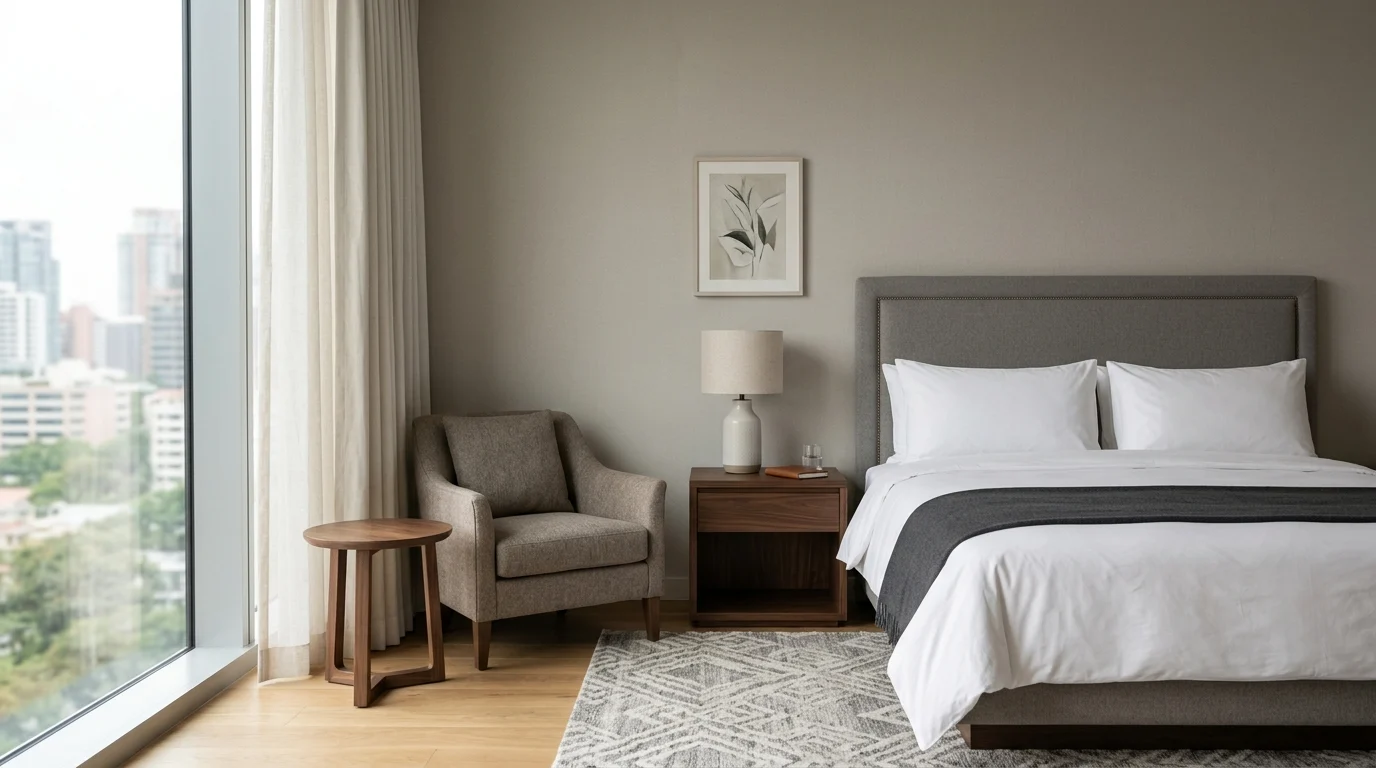
As hotels plan 2026 FF&E refreshes, guest room furniture is being judged on more than appearance. Operators now need pieces that support remote work, withstand heavy use, and meet stricter sustainability targets without making rooms feel crowded or generic. This article outlines the design, durability, and functional shifts influencing hotel furniture decisions in 2026, helping you understand which features matter most and how they can improve both guest satisfaction and long-term operational value.
Hotel Furniture Trends for Guest Rooms in 2026
The hospitality sector is approaching a critical modernization phase as properties prepare for the 2026 Furniture, Fixtures, and Equipment (FF&E) replacement cycles. Guest expectations have shifted aggressively toward hyper-functional, sustainable, and technologically integrated environments, forcing procurement teams to fundamentally rethink standard room layouts.
Hotel furniture must now serve dual purposes—balancing elevated aesthetic appeal with rigorous operational durability—while adhering to tightening environmental regulations and fluctuating supply chain dynamics. Navigating this landscape requires a strategic departure from legacy design templates, focusing instead on adaptable solutions that maximize return on investment.
Key drivers shaping furniture decisions
Structural shifts in travel behavior and operational economics are fundamentally altering procurement strategies. A primary driver is the permanent entrenchment of “bleisure” travel, requiring guest rooms to function seamlessly as both relaxation sanctuaries and high-performance remote offices. This necessitates ergonomic seating and multi-tier desking solutions, such as nesting tables and drop-leaf surfaces, that provide utility without dominating the room’s visual footprint.
Environmental compliance acts as another non-negotiable driver shaping manufacturing parameters. With major global hotel groups aiming to reduce corporate carbon footprints by 30% to 50% by 2030, procurement directors are prioritizing casegoods manufactured from FSC-certified substrates and seating upholstered in recycled PET fabrics. Furthermore, escalating commercial real estate costs have shrunk average guest room footprints in urban markets by approximately 12% to 15% over the past decade. This spatial compression demands modular, multi-functional furniture that maximizes vertical space, such as open-frame wardrobes and platform beds with integrated, concealed storage, preventing a cluttered atmosphere while maintaining full utility.
Priority trends buyers should watch
Forward-looking properties are adopting several distinct material and design trends for 2026 to differentiate their asset portfolios. Biophilic design continues to mature, moving beyond simple aesthetics to incorporate tactile, natural materials like fluted oak, stone-sintered surfaces, and matte-finished metals that resist fingerprinting and daily wear. Integrated technology is transitioning from a premium novelty to a baseline specification; nightstands and workspaces now routinely feature flush-mounted wireless charging pads (typically 15W Qi-certified) and discrete USB-C ports rated for 65W fast-charging to accommodate modern laptops.
Acoustic management is also becoming a critical function of soft goods, with high-density foam headboards and heavy drapery serving as secondary sound-dampening infrastructure.
| Feature Category | Legacy Standard (Pre-2024) | 2026 Specification Trend |
|---|---|---|
| Power Integration | Surface-mounted hubs | Flush, concealed 65W USB-C & Qi |
| Casegood Surfaces | High-Pressure Laminate (HPL) | Sintered stone & textured melamine |
| Upholstery | Standard commercial vinyl | High-rub (100k double rubs) recycled PET |
| Storage & Modularity | Fixed, heavy wooden wardrobes | Open-frame, modular metal/wood systems |
| Edge Banding | 0.5mm standard edging | 2mm high-impact PVC or ABS |
How to Evaluate Hotel Furniture for 2026

Selecting the right hotel furniture requires a rigorous analytical approach that extends far beyond initial aesthetic alignment and mood boards. Procurement teams, asset managers, and project directors must evaluate proposed casegoods and soft seating against strict operational metrics to ensure long-term viability across the property’s lifecycle.
A successful evaluation framework balances upfront capital expenditure with total cost of ownership, factoring in mechanical durability, daily housekeeping maintenance requirements, and the financial risks inherently associated with global logistics networks.
Core criteria for comparing options
When assessing potential furniture programs, mechanical durability metrics remain the foremost criterion. Soft goods and upholstered seating must carry a minimum Wyzenbeek rating of 100,000 double rubs for high-traffic environments, while casegood surfaces require exceptional scratch, heat, and impact resistance. This is often achieved through marine-grade plywood or high-density fiberboard (HDF) cores paired with high-pressure laminates (HPL) rated for extreme commercial use, protected by 2mm high-impact PVC edge banding.
Total cost of ownership (TCO) analysis should factor in the expected 7- to 10-year lifecycle of standard guest room furniture, calculating replacement costs for high-wear components like drawer glides and European hinges. Buyers must also strictly evaluate minimum order quantities (MOQs). While custom casegood programs typically require MOQs of 50 to 100 rooms to achieve necessary economies of scale, properties undergoing phased, floor-by-floor renovations may require suppliers capable of executing smaller batch runs—often at a 15% to 20% premium—without compromising finish consistency.
Furthermore, defect rates should be contractually capped; tier-one hospitality manufacturers typically maintain defect rates below 1.5%, a crucial threshold to prevent costly on-site delays during the installation phase.
Practical steps to reduce planning risk
Mitigating risk in furniture procurement demands proactive supply chain management and rigorous pre-production validation. The standard lead time for custom hospitality furniture currently ranges from 14 to 18 weeks, but geopolitical volatility, port congestion, and seasonal manufacturing spikes can easily extend overseas freight transit by an additional 3 to 5 weeks.
To insulate projects from these cascading delays, procurement directors should mandate the production of a fully finished model room at least six months prior to mass production authorization. This prototype phase allows stakeholders to conduct spatial flow analysis, test hardware durability under simulated use, and verify electrical certifications (such as UL, ETL, or CE marks) for all integrated lighting and power units.
Additionally, buyers should leverage third-party quality control (QC) agencies to conduct pre-shipment inspections based on Acceptable Quality Limit (AQL) standards. Diversifying the manufacturing base by utilizing a hybrid sourcing model—pairing domestic or nearshore suppliers for critical soft seating with overseas factories for bulk casegoods—can significantly hedge against localized supply disruptions while optimizing overall freight and tariff expenditures.
Key Takeaways
- The most important conclusions and rationale for Hotel Furniture
- Specs, compliance, and risk checks worth validating before you commit
- Practical next steps and caveats readers can apply immediately
Frequently Asked Questions
What hotel furniture features matter most for 2026 guest rooms?
Focus on modular storage, ergonomic work surfaces, 65W USB-C and Qi charging, durable 2mm edge banding, and sustainable materials like FSC-certified boards and recycled PET upholstery.
How can I choose durable hotel furniture for high-traffic rooms?
Specify 100,000 double-rub upholstery, scratch-resistant casegoods, HDF or marine-grade plywood cores, and commercial hardware such as quality drawer glides and European hinges.
Why is multifunctional hotel furniture important in smaller guest rooms?
It saves space without reducing comfort. Platform beds with storage, nesting tables, and open-frame wardrobes help rooms feel less crowded while supporting both leisure and work use.
What sustainable hotel furniture options should buyers consider?
Look for FSC-certified substrates, recycled PET fabrics, long-life hardware, and finishes that meet environmental standards. These choices support brand ESG goals and reduce replacement frequency.
Can Taisen Furniture help source guest room furniture for 2026 upgrades?
Yes. Taisen Furniture offers hotel bedroom sets and project-focused solutions with practical options for durability, functionality, and contemporary guest room design.

Post time: May-07-2026